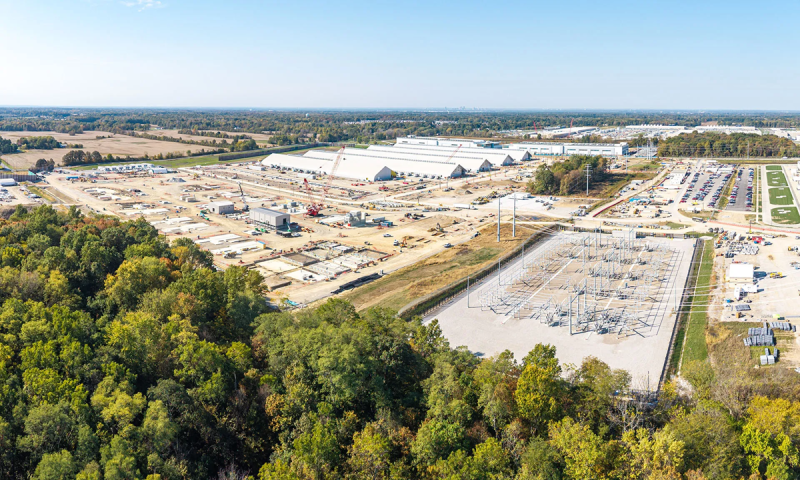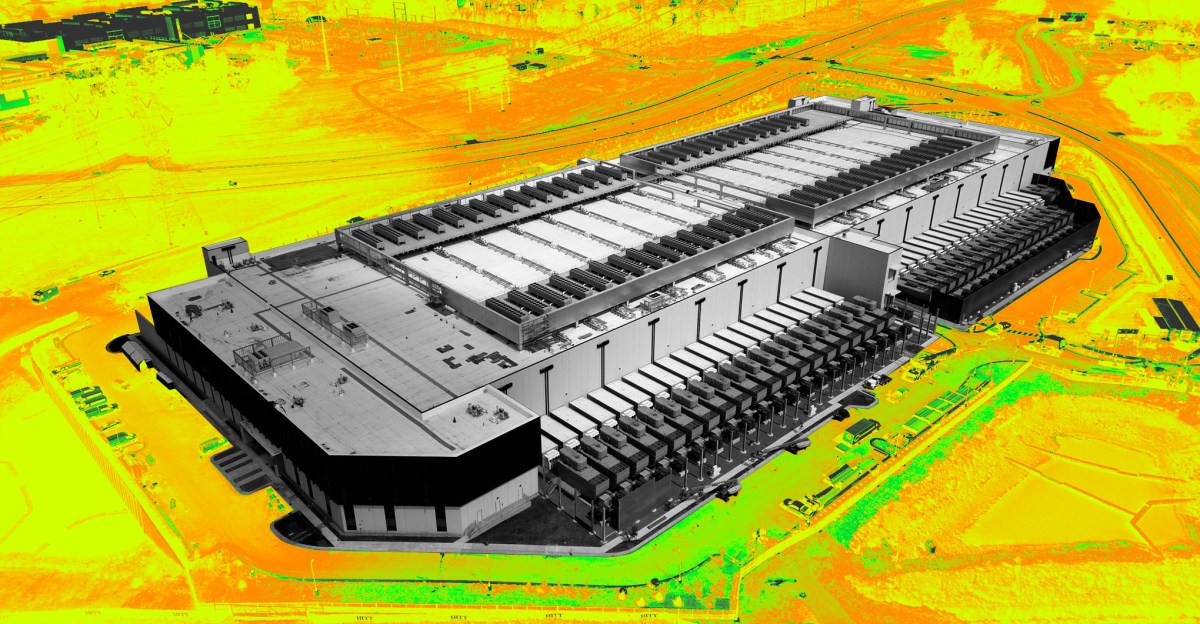
Texas has emerged as a primary hub for generative AI infrastructure, currently hosting 26 gigawatts of existing and under-construction data center capacity. A report from the Houston Advanced Research Center (HARC) warns that if all planned projects connect to the grid using the current energy mix, regional air quality could regress to levels observed in the early 2000s.
Projections indicate that fine particle pollution from the power sector could more than triple within five years, reaching levels not seen since 2006. Additionally, smog-forming NOx emissions are expected to rise by 136 percent, while carbon dioxide emissions could increase by 90 percent compared to 2025 levels.
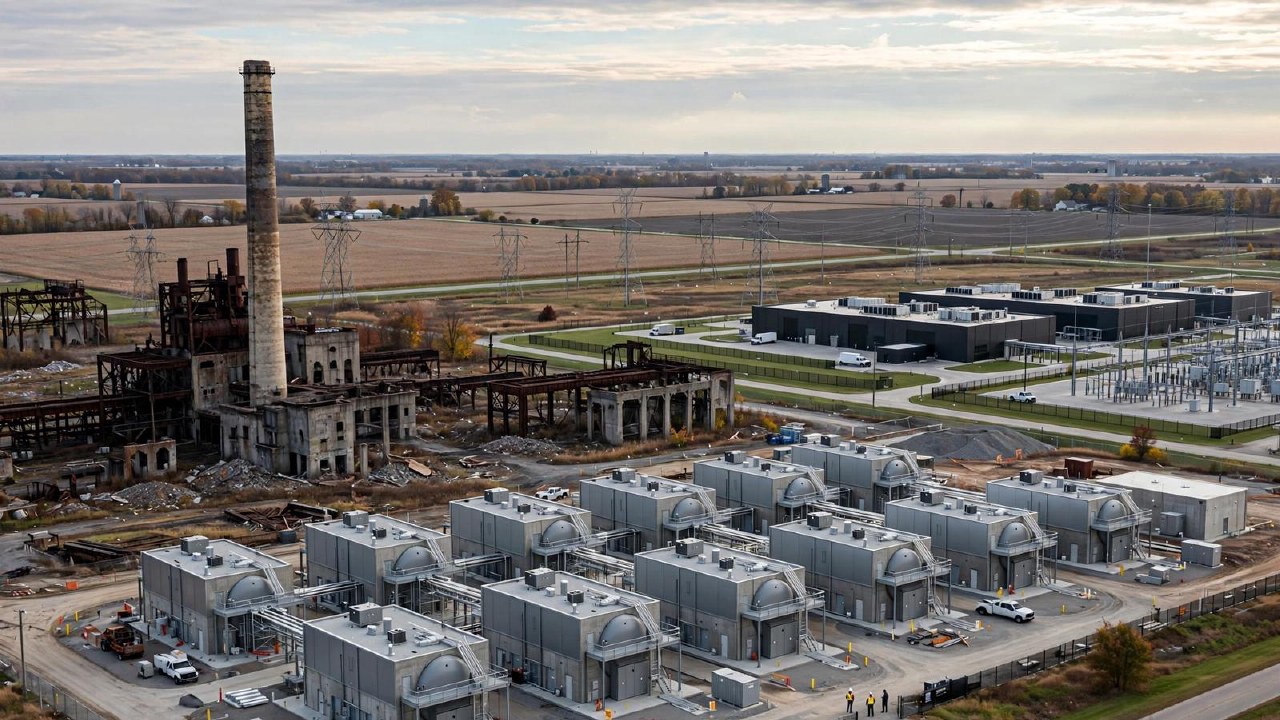
The environmental impact depends heavily on energy sourcing. While onsite solar and wind farms could reduce NOx emissions by up to 10 times, many developers are opting for onsite gas turbines to bypass grid connection delays. Wood Mackenzie data shows Texas leads the nation in proposed data center capacity relying on onsite power generation.
The report highlights that the rapid expansion of data centers threatens decades of progress in air quality management. Developers continue to utilize less efficient gas turbine technology to accelerate construction timelines, further exacerbating the potential for increased pollution across the state.