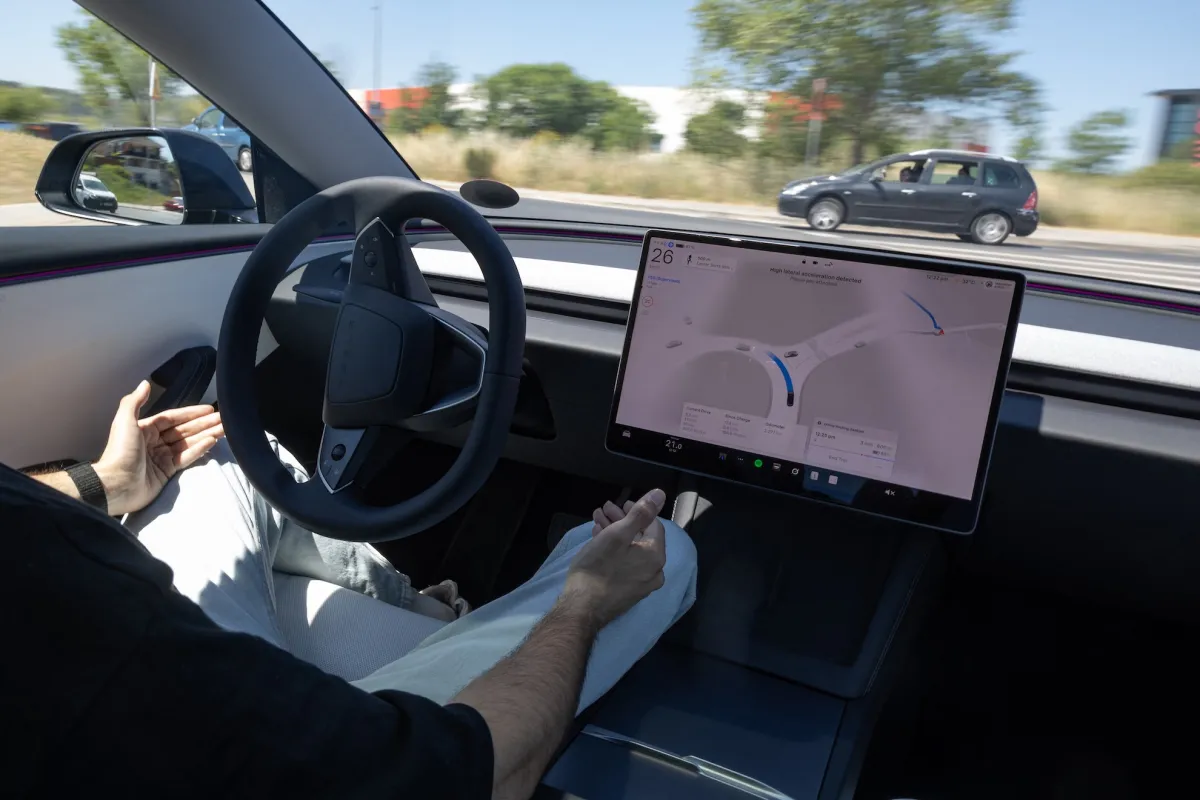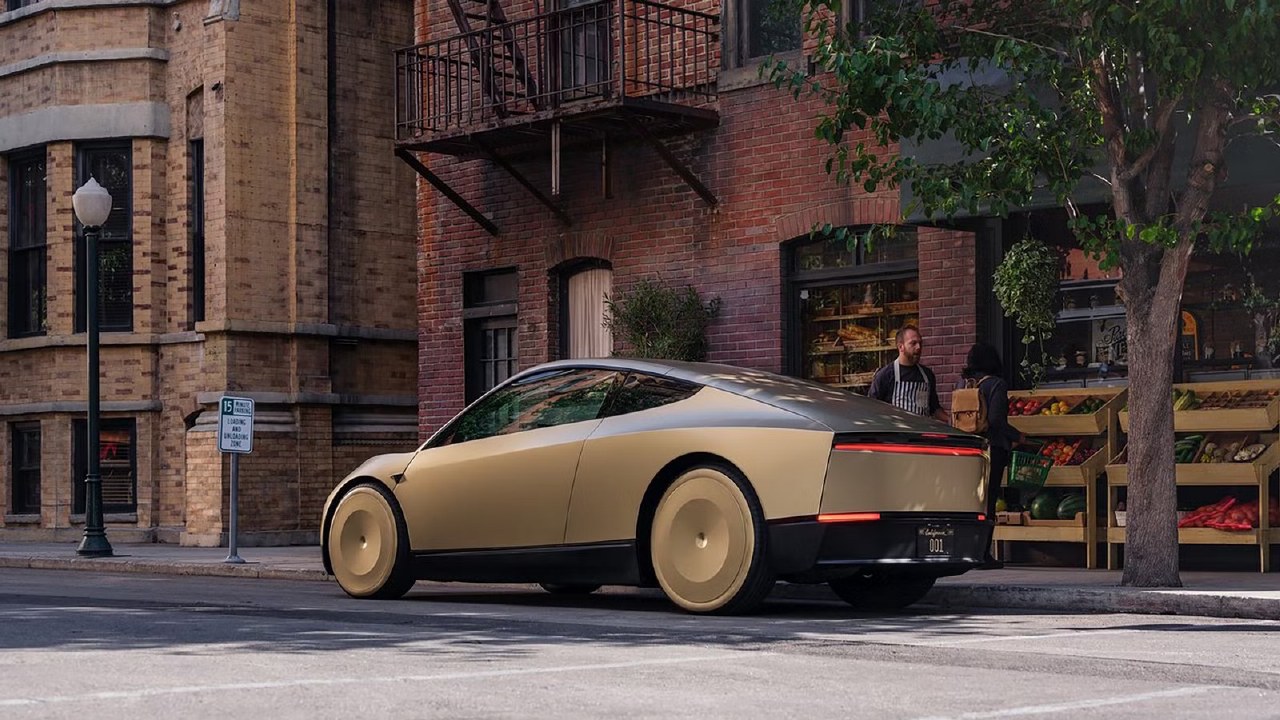
Tesla is shifting its business model to prioritize recurring revenue from software and AI-powered services, specifically its Full Self-Driving (FSD) system. While vehicle sales currently account for 75 percent of total revenue, the company aims to leverage high-margin software to compete with Big Tech and Chinese rivals.
The company reported 1.7 million active FSD subscriptions globally, a 67 percent increase year-over-year. In North America, over 75 percent of new Tesla vehicles are sold with the supervised FSD version. Analysts suggest that expanding FSD adoption to 50 percent of the global customer base could significantly transform the company's financial model.
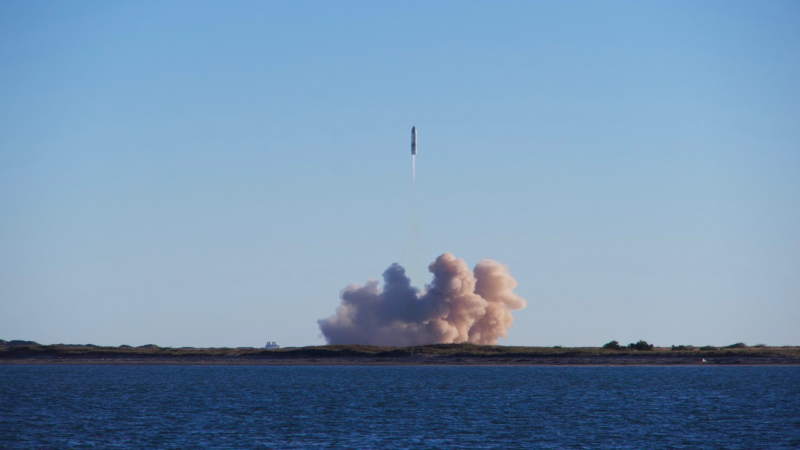
Tesla is currently exploring a potential merger with SpaceX to accelerate research in AI, materials, and manufacturing. If approved by shareholders and regulators, the deal could grant Elon Musk control over 50 percent or more of the combined entity, though some observers warn that the move could tie the companies' futures to speculative bets.
The company faces intense competition in the autonomous driving sector, particularly from Chinese manufacturers like Xpeng. Tesla is currently seeking broader EU regulatory approval for its FSD system, with a vote by member states expected in December. Meanwhile, competitors are also investing in robotics and autonomous systems to secure new revenue streams.