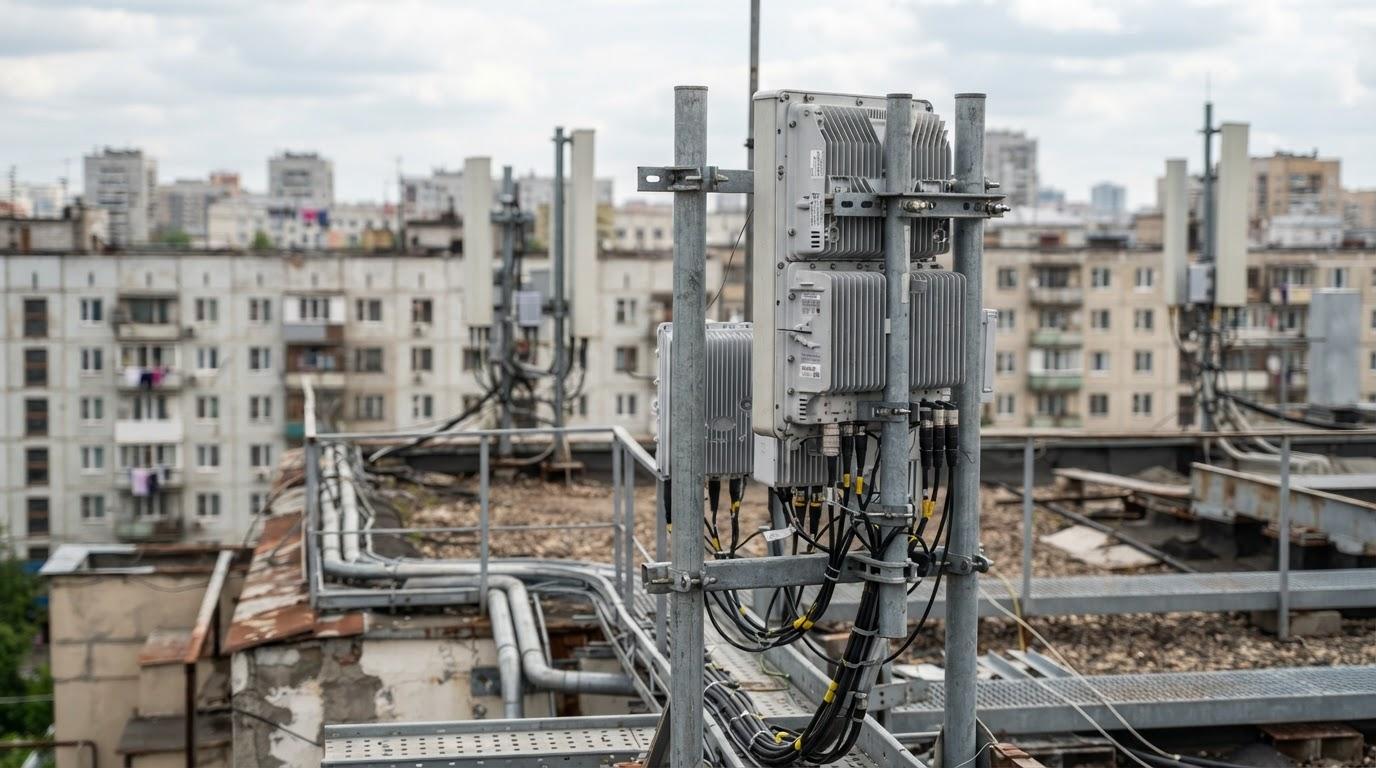
Major Russian telecom operators have announced the launch of 5G networks in several cities, including Moscow, Saint Petersburg, Novosibirsk, Yekaterinburg, and Ufa. However, the Ministry of Digital Development clarifies that these are pilot zones rather than commercial services. Current permits allow testing equipment and technologies in the 4.9 GHz band, but prohibit charging subscribers for 5G access.
The regulatory permits for these test zones are valid until August 2027. A key technical challenge is the frequency range: Russian networks operate in the 4.63–4.99 GHz band, whereas many global 5G devices are designed for the 3.4–3.8 GHz range. Consequently, not all 5G-enabled smartphones are compatible with the current infrastructure deployed in Russia.
Industry experts characterize the recent launches as primarily demonstrative and marketing-oriented. The main barrier to a full-scale commercial rollout is the requirement to use domestic base stations, national software, and local cryptographic tools. As of mid-September 2026, mass-produced Russian 5G base stations were not yet available on the market.
The industry expects the first mass deliveries of domestic 5G systems to begin in 2027. Key suppliers identified for these infrastructure components include Irteya and Yadro. Until these solutions reach commercial maturity, the current network deployments remain limited to testing and infrastructure preparation.