

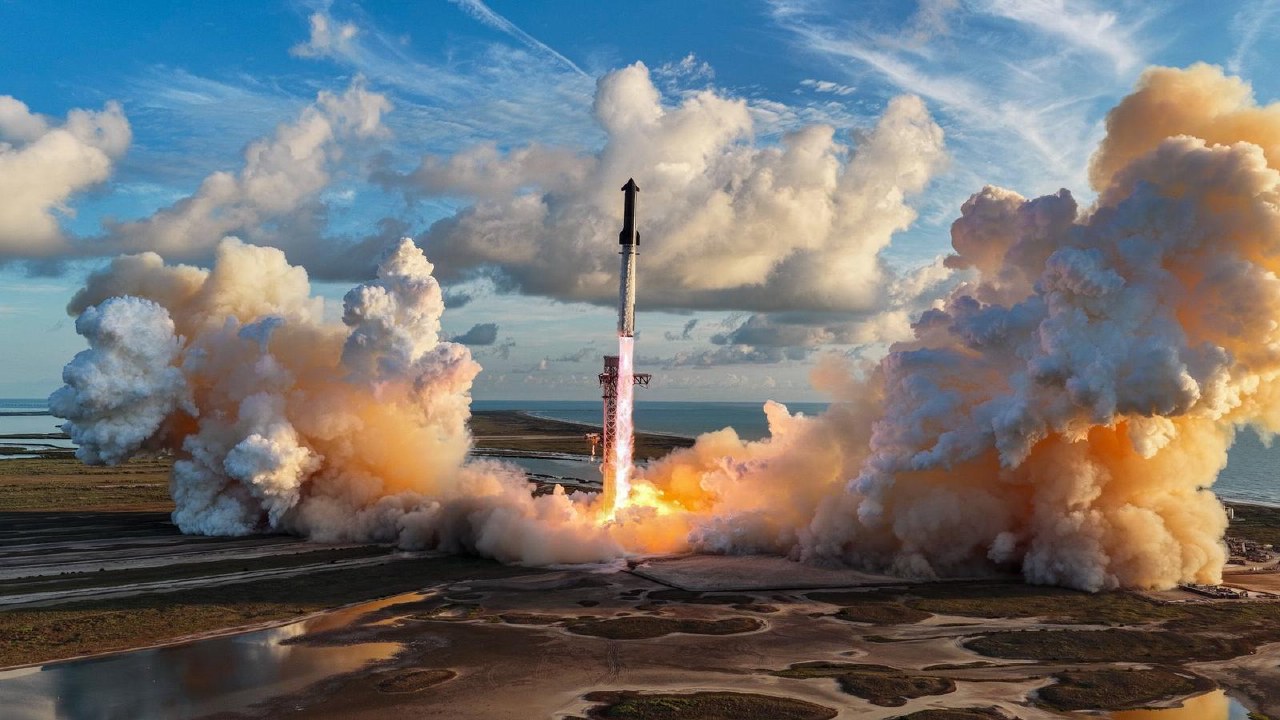
Elon Musk confirmed an analysis by Erdayastronaut suggesting that the Starship system possessed the technical capability to reach orbit long before its 14th flight. According to the report, a 19-second engine burn during the latest test provided a velocity increase of approximately 91 meters per second, which represents only 1.2% of the total delta-v budget.
The technical potential for orbital insertion existed as early as the 6th flight, when SpaceX demonstrated a single Raptor engine restart in space. During the 13th flight, an engine burn lasted 14 seconds, though it was utilized for orbital plane changes rather than insertion. SpaceX prioritized a methodical approach to data collection and safety over early orbital attempts.
The primary development focus for Starship remained controlled reentry and landing rather than initial orbital achievement. This strategy mirrors the historical development of the Space Shuttle, which performed its first controlled descent in 1981. Analysts expect Starship to surpass the Shuttle in payload capacity and eventual reusability.
The 14th flight marked a milestone with the deployment of 26 Starlink V3 satellites, representing the first operational payload for the system. SpaceX successfully established communication with all deployed units following the separation process.



