

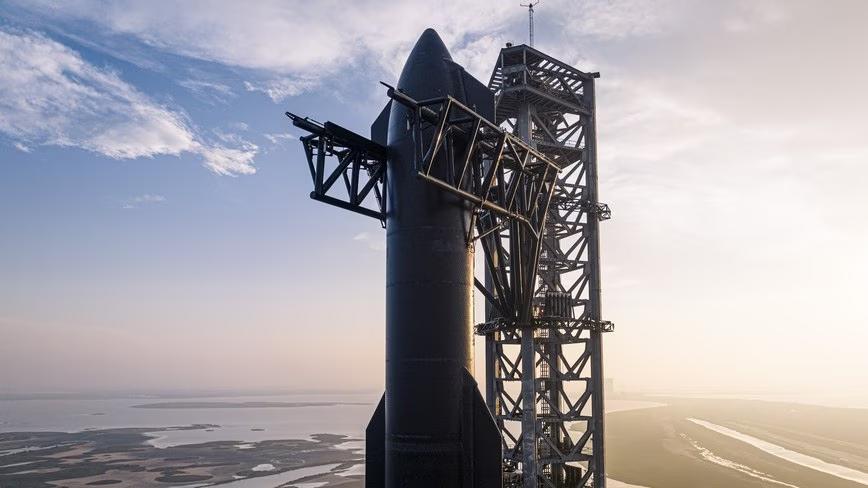
During the 14th test flight, the Starship vehicle successfully reached orbit and deployed 26 Starlink satellites. However, one Raptor engine shut down prematurely, forcing SpaceX to conclude the mission earlier than scheduled. Aerospace engineer Dean Slayden noted that the severity of this issue depends on whether it requires a design overhaul or a simple component replacement.
The Raptor engine is critical for the lunar version of Starship, which NASA selected as a landing module for the Artemis program. The vehicle must use these engines for both lunar surface landings and subsequent takeoffs. SpaceX is currently working on key operations, including the planned recovery of the upper stage using the launch tower arms.
Engine reliability remains a recurring challenge, with previous issues noted during the 12th test flight in May and the 13th flight in July. SpaceX must now address the latest failure while continuing the test schedule required to validate the overall Starship architecture.
NASA faces a tight timeline for the Artemis III mission, which targets a crewed lunar landing in 2028. The agency requires a functional landing module before the orbital docking demonstration scheduled for 2027. To mitigate risks, NASA is also supporting the development of the Blue Moon lander by Blue Origin, potentially allowing both systems to participate in the program.


