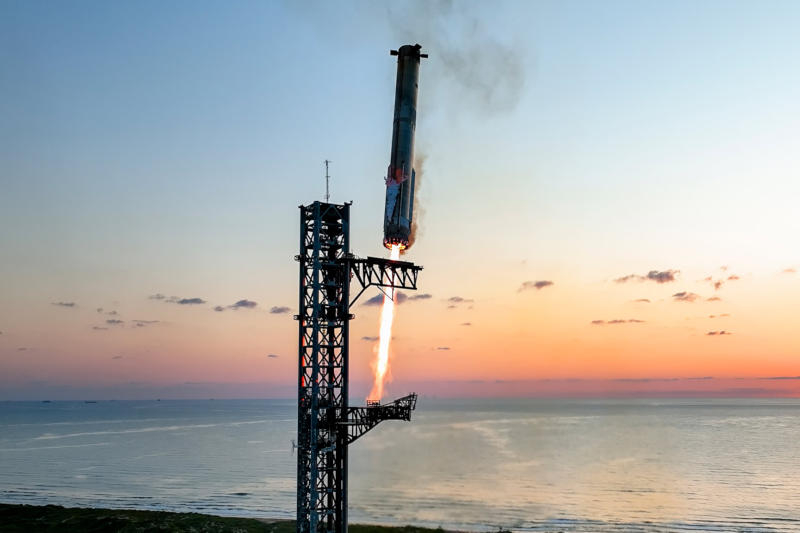
SpaceX plans to attempt the recovery of both the Super Heavy booster and the Starship spacecraft in November. This maneuver aims to achieve the first full recovery of an orbital launch system in history, as stated by CEO Elon Musk during the company's third-quarter earnings report.
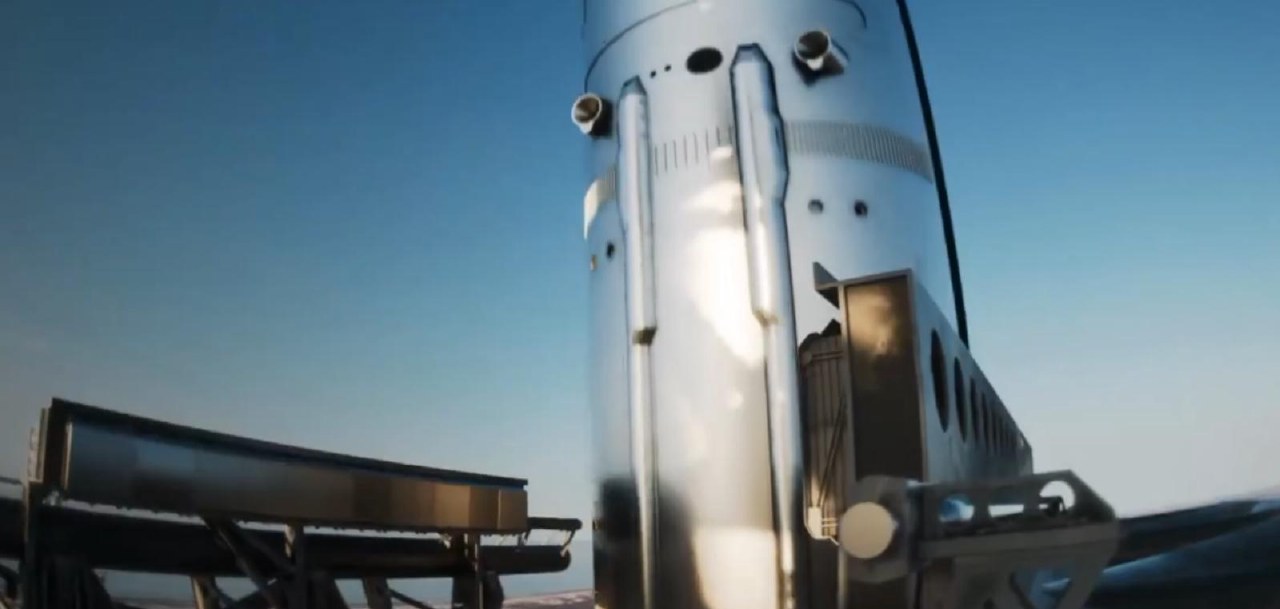
The Starship system stands approximately 120 meters tall with a diameter of 9 meters and utilizes Raptor engines fueled by liquid methane and liquid oxygen. The design allows for the return of both stages to the launch site, where mechanical arms on specialized towers are intended to capture the vehicles in mid-air.
During the most recent flight, the Starship reached orbit and deployed several third-generation Starlink satellites. Despite an early shutdown of one Raptor engine during ascent, the mission was completed after two orbits, lasting roughly three hours instead of the planned ten-hour duration.
While the Super Heavy booster splashed down in the Gulf of Mexico, the Starship performed a braking burn and landed vertically in the Pacific Ocean. Elon Musk noted that while success is not guaranteed for the upcoming November attempt, the company has scheduled a series of test flights through the end of the year.