

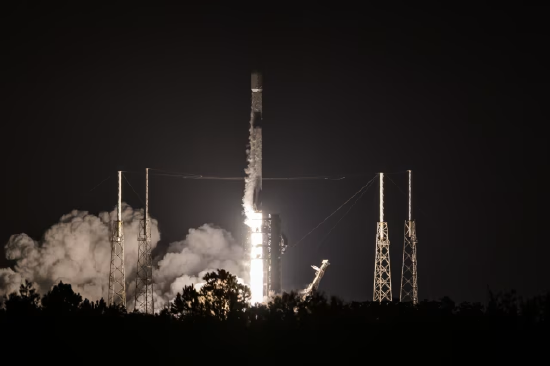
SpaceX is gradually phasing out the Falcon 9, the world's most frequently launched rocket, to prioritize the development of the Starship launch system. This strategic shift has created significant challenges for companies relying on the vehicle for satellite and spacecraft deployment.
According to industry reports, SpaceX has stopped accepting new rideshare orders for the Falcon 9. Several companies have already been informed that they cannot secure launch slots on the rocket beyond 2028, as the company redirects its resources toward its next-generation platform.
Government and industry officials anticipate that launch demand will continue to outpace supply through the end of the decade. The backlog includes national security satellites, remote sensing equipment, lunar cargo missions, and infrastructure for orbital data centers and power systems.
Competitors in the launch industry are attempting to address the supply gap, though immediate relief remains unlikely. Scaling launch frequency is a time-consuming process, and developers frequently face technical setbacks during the testing and integration phases of new launch vehicles.


