

SpaceX is preparing for the 14th Starship flight, currently scheduled for no earlier than September 28, 2026, pending regulatory approval. This mission aims to achieve the vehicle's first orbital flight. The plan involves placing Ship 41 into a 275-kilometer orbit for approximately 10 hours, during which it will complete six revolutions and deploy 26 Starlink V3 satellites before splashing down in the Pacific.
The Super Heavy Booster 21 will not attempt a tower catch during this mission. Instead, it is tasked with a boostback and a controlled splashdown in the Gulf. SpaceX has implemented hardware and software updates to improve engine filtering and relight reliability. Subsequent missions, specifically Flight 15, may introduce a ship catch attempt, potentially evolving into a double catch if initial tests succeed.
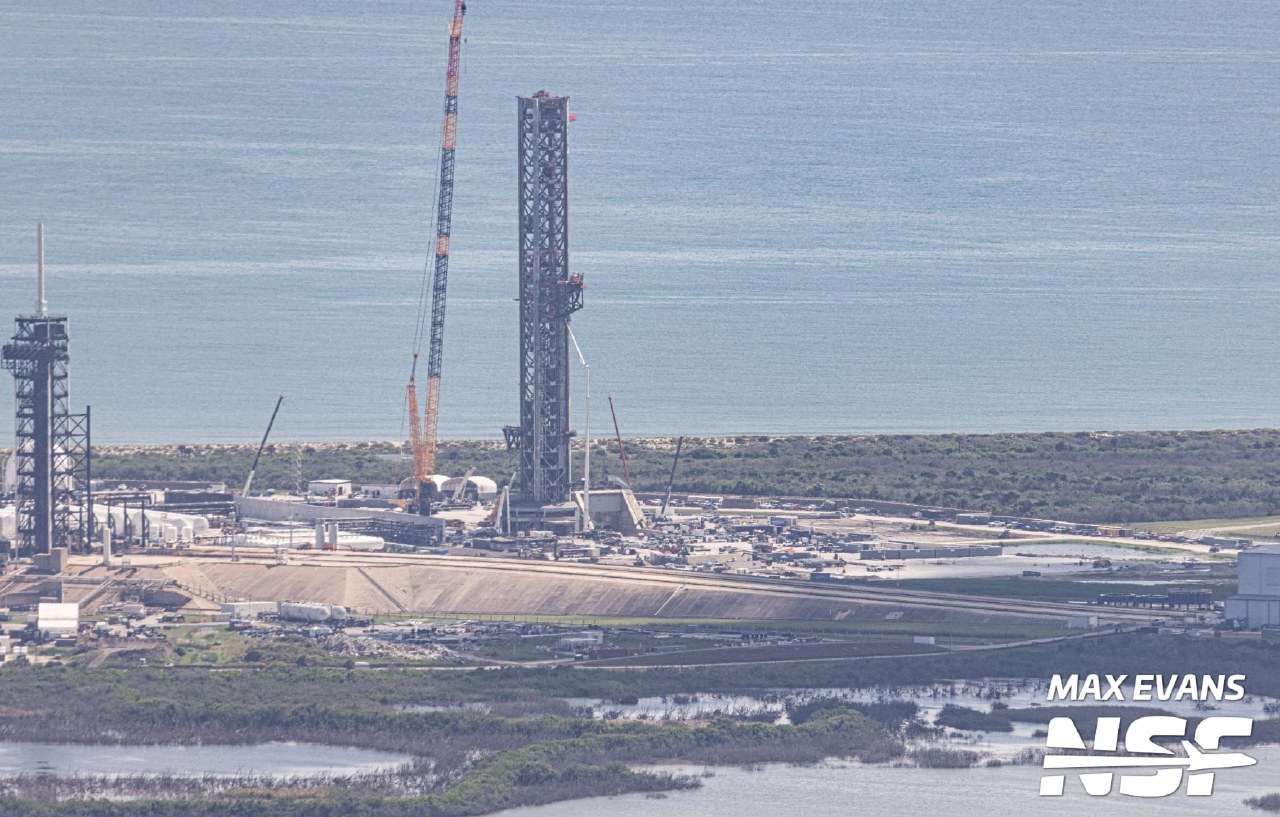
Development at the Kennedy Space Center's Launch Complex 39A is progressing toward hosting Starship launches. Construction at the site is largely finished, with recent testing of the tank farm and the installation of new electromechanical actuators on the launch tower. These upgrades replace older hydraulic systems to enhance control and response times for stacking and catching operations.
The facility has begun purging lines and chilling ground support equipment, signaling a transition from construction to operational status. SpaceX is also transporting specialized transport frames to Starbase to facilitate the future shipment of vehicles from Texas to Florida. The company currently targets Flight 16 as the best-case scenario for the inaugural Starship launch from the historic 39A pad by the end of 2026.



