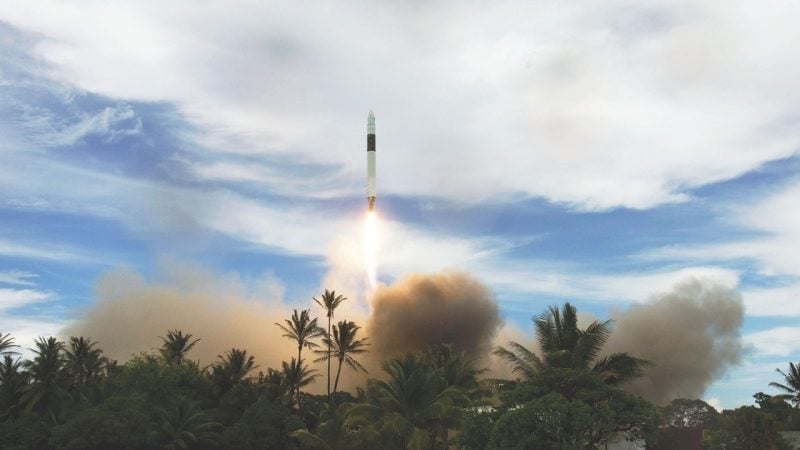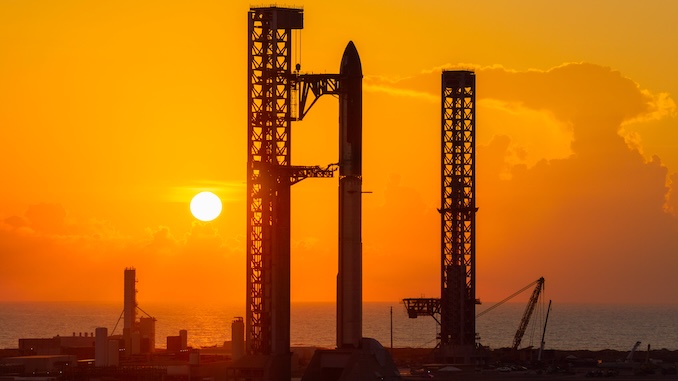
SpaceX is preparing for the first orbital flight of the Starship-Super Heavy rocket, scheduled for September 28. This mission, designated Starlink 31-1, utilizes the B21 booster and S41 upper stage. The launch window opens at 7:15 a.m. CDT, with the 124-meter-tall vehicle attempting to reach orbit 18 years after the first Falcon 1 orbital success.
The flight plan involves a potential orbital insertion burn 25 minutes after liftoff. If successful, the S41 stage will deploy 26 Starlink Version 3 satellites over a 30-minute period. Three of these satellites are equipped with imaging hardware to monitor the vehicle's heat shield tiles. SpaceX does not intend to recover either the booster or the upper stage for this mission.
Following orbital insertion, the vehicle is expected to orbit the Earth six times. A deorbit burn is scheduled approximately nine hours after liftoff, followed by a controlled splashdown off the coast of South America. The company noted that future recovery attempts, including catching the upper stage, remain under consideration based on the results of this test.
This mission marks the 14th flight of the integrated Starship system, with all previous 13 tests following suborbital trajectories. While SpaceX has previously indicated a capacity to carry up to 60 Starlink V3 satellites per mission, this initial orbital test is limited to 26 units.