

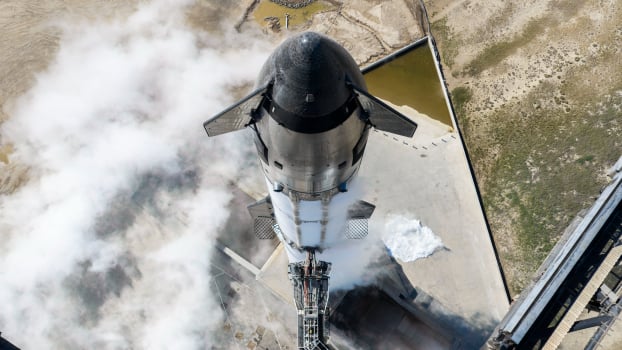
SpaceX is preparing for the 14th test flight of its Starship rocket, scheduled for September 28 at 7:15 am CDT. The mission aims to achieve the first orbital flight for the vehicle and deploy 26 Starlink V3 satellites. The launch window spans 75 minutes, with backup opportunities available through October 4.
The mission will utilize Booster 21 and Ship 41. Unlike previous attempts, SpaceX will not attempt to catch the booster; instead, the goal is a controlled splashdown in the Gulf. Ship 41 will follow a trajectory that allows for an abort to the Indian Ocean if necessary, before attempting an orbital insertion burn at T+ 25:19.
If successful, the ship will reach a 275 km by 275 km orbit and deploy its payload. Following a coast phase of approximately eight hours, the ship will perform a deorbit burn and splash down in the South Pacific Ocean off the coast of Chile. The total mission duration is estimated at 9 hours, 50 minutes, and 30 seconds.
The Federal Aviation Administration has issued a revised license, VOL 23-129 Rev 9.0, which separates launch and reentry authorizations. This license specifically covers the Flight 14 mission parameters, including the designated splashdown zones north of Hawaii and off the Chilean coast.
Ship 41 features an updated heat shield with extended ablative material and improved tile retention mechanisms. These upgrades are based on data collected from the recovery of Ship 40. The deployment of the 26 Starlink V3 satellites is expected to add 1 Tbps of capacity to the network.



