

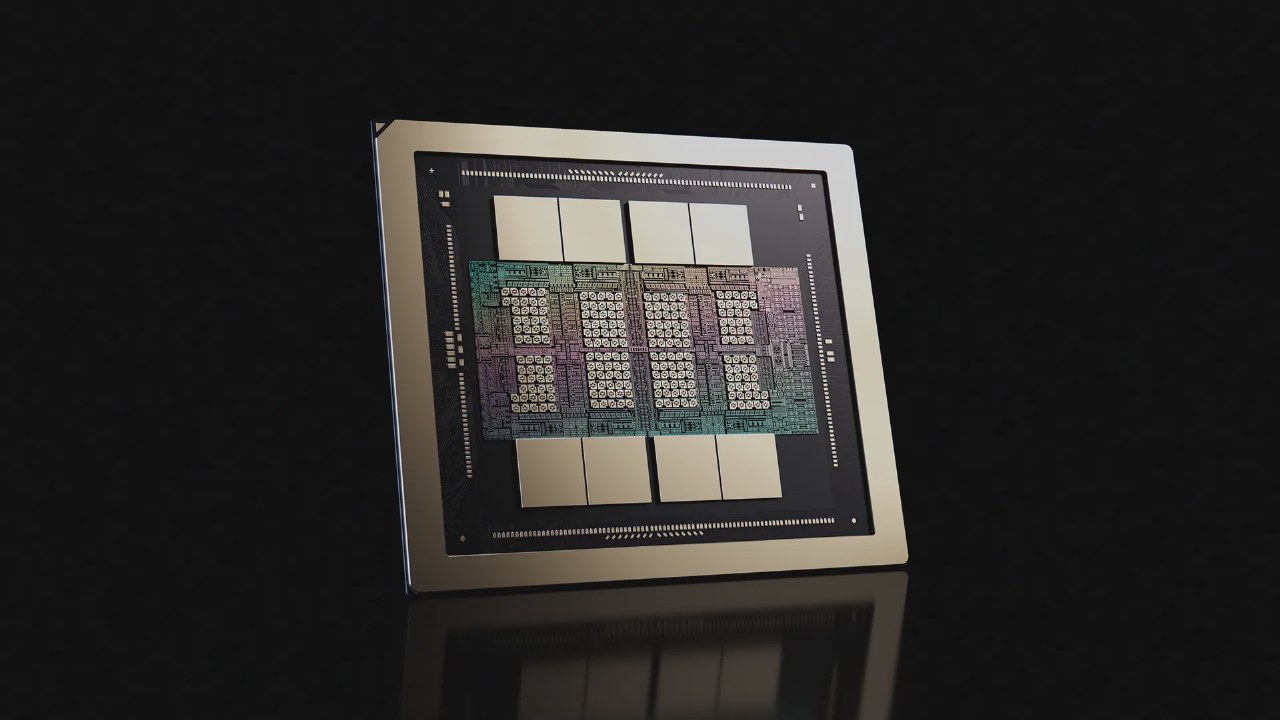
Nvidia is expected to stick with the 12-layer HBM4 design for its upcoming Rubin AI accelerators, despite earlier rumors suggesting a shift to 8-layer stacks. Industry reports indicate that the 12-layer configuration remains the primary choice for high-end AI models to ensure top-tier memory bandwidth and capacity.
The Rubin GPU architecture is designed to feature 12-layer HBM4, offering up to 288GB of memory and 22TB/s of bandwidth. While Nvidia may utilize 8-layer variants in some products to manage supply chain constraints and production yields, the core lineup will likely prioritize the higher-density 12-layer stacks.
The HBM market faces significant price pressure, with TrendForce projecting a 121% increase in average selling prices by 2027. This surge is driven by the transition to more complex HBM4 and HBM4E technologies rather than simple supply shortages, as these advanced chips require more expensive base logic dies.
Reducing stack height from 12 to 8 layers does not necessarily lower costs. Analysts note that 8-layer HBM could cost 10% to 20% more per gigabit than 12-layer versions by 2027, as the fixed cost of the base die is distributed across fewer storage layers. The shift to 8-layer stacks primarily serves to improve production efficiency.


