

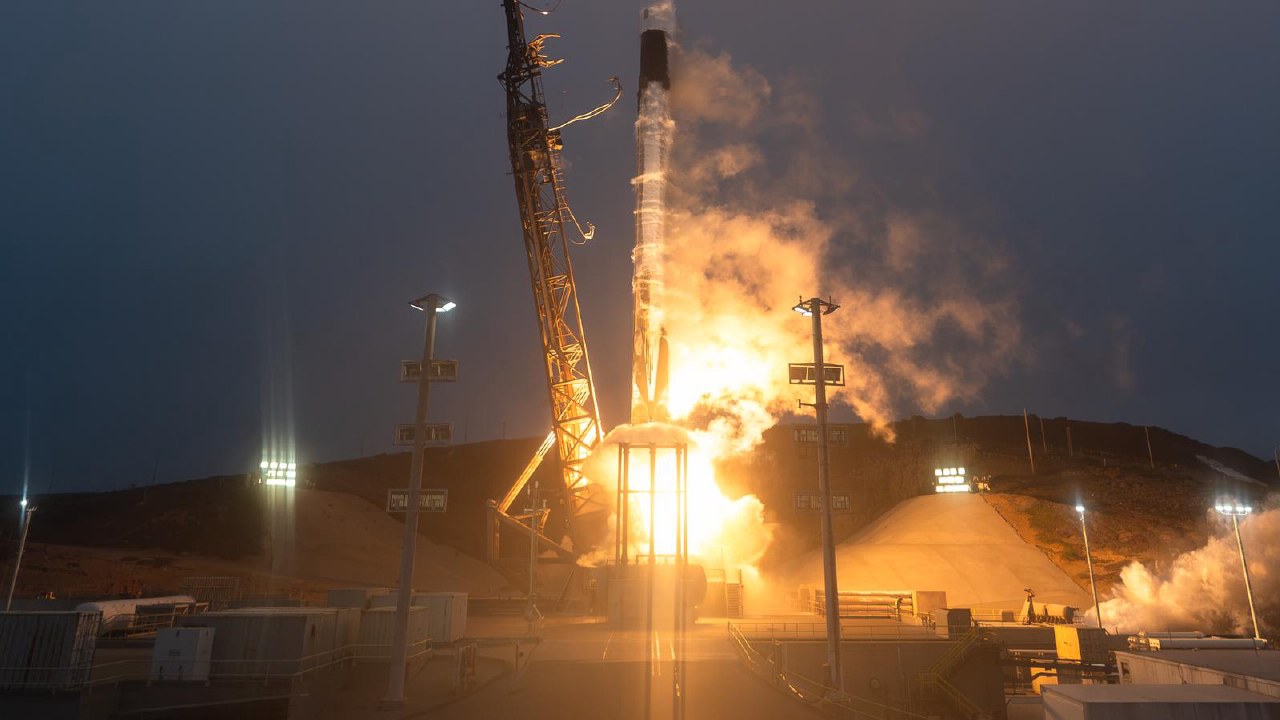
SpaceX has effectively ceased accepting new commercial orders for its Falcon 9 rocket, signaling a shift in the company's launch strategy. While no official termination date has been announced, industry participants report that booking new missions has become nearly impossible. The company is pivoting its resources toward the Starship program, following a strategy of replacing successful products with newer technologies to maintain a competitive edge.
The transition is particularly challenging for small satellite operators who relied on the Falcon 9 rideshare program to reduce costs. With the availability of these launches dwindling, companies are seeking alternatives. Giulio Ranzo, head of Avio, noted that former SpaceX clients are already searching for new launch providers, describing the current market situation as the end of an era for accessible space flight.
The industry faces a potential supply gap between 2029 and 2031. While new rockets like Rocket Lab's Neutron, Relativity Space's Terran R, and Stoke Space's Nova are in development, they have yet to demonstrate the high flight frequency required to replace the Falcon 9. Recent history shows that achieving a regular launch cadence takes longer than expected, as seen with the slow ramp-up of the Vulcan and Ariane 6 rockets.
To mitigate risks, some firms are securing launch capacity well in advance. D-Orbit has signed agreements with alternative operators through 2029, while Portal Space Systems has purchased a Falcon 9 for its 2028 Supernova mission and is reselling excess capacity. Market participants generally expect the launch crisis to be a temporary transition period rather than a long-term structural issue.



