

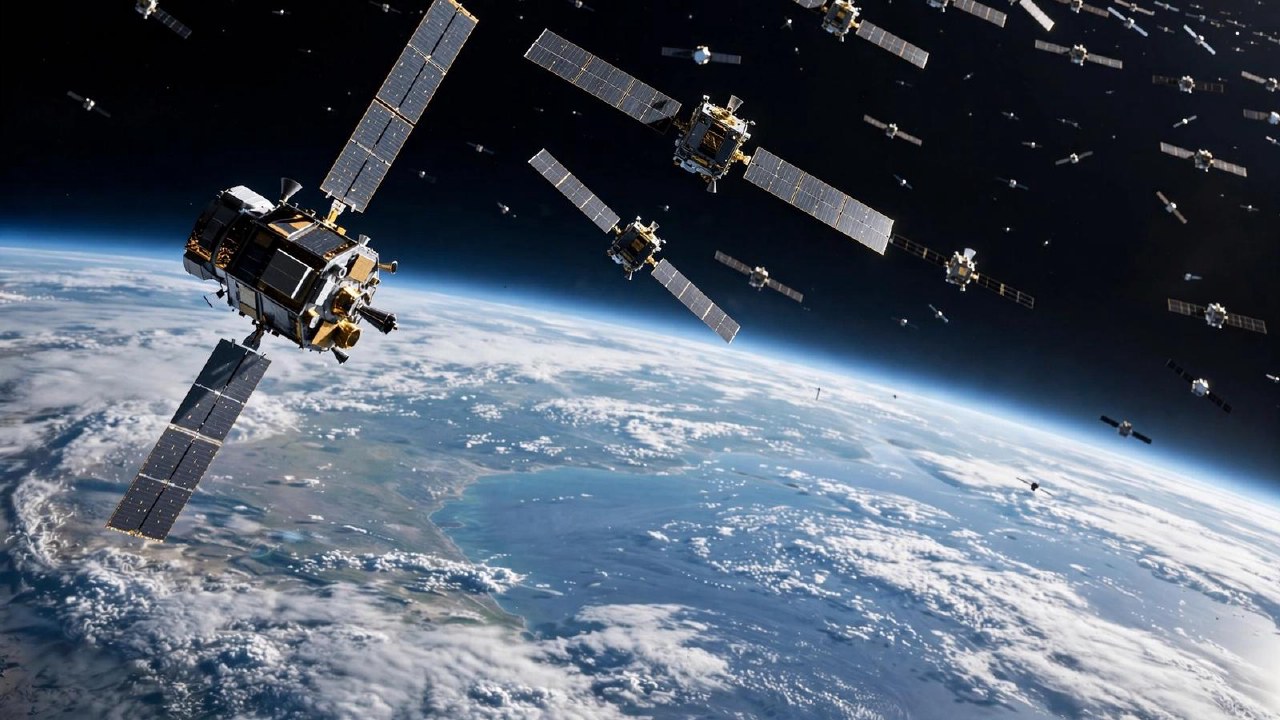
SpaceX reported that its first and second-generation Starlink satellites performed 207,152 collision avoidance maneuvers over a six-month period. The company disclosed these figures in a report submitted to the US Federal Communications Commission (FCC).
The company initiates maneuvers when the calculated collision probability reaches 3 in 10 million, or 3 × 10⁻⁷. This threshold is more than 300 times lower than the industry standard of 1 in 10,000, which is also referenced in the document.
The reliance on automated systems for these maneuvers raises concerns, as such actions consume fuel and may disrupt payload operations. Experts suggest that automated decisions based solely on probability thresholds may complicate coordination with other satellite operators.
The European Space Agency (ESA) proposes a three-tier approach for autonomous systems, distinguishing between situational assessment, decision-making, and maneuver execution. This framework aims to prevent unnecessary orbital changes.
As of August 2026, the US Traffic Coordination System for Space (TraCSS) monitors over 11,345 satellites from 70 major users and 10 national government programs. Effective management requires separating observation data from maneuver authorization to avoid cascading risks.



