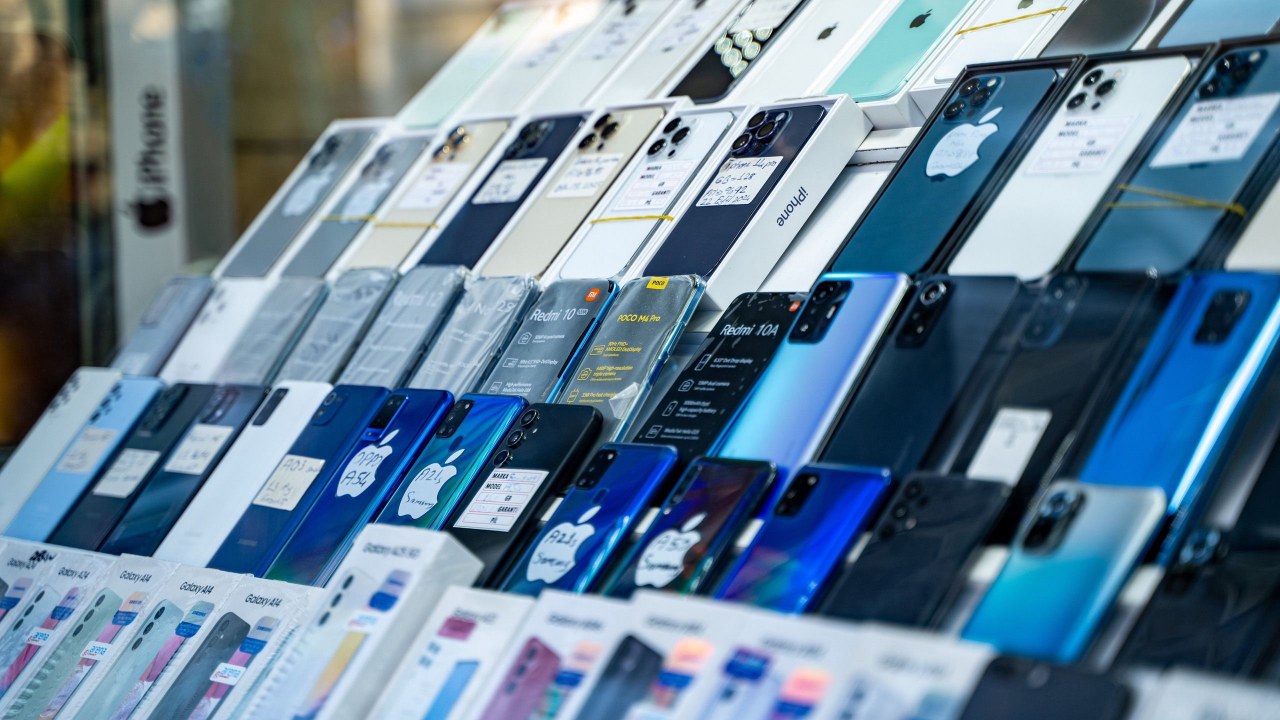
Smartphone manufacturers are increasingly using reballed memory chips to manage production costs amid memory shortages. This process involves melting the solder on used memory modules from discarded devices and re-soldering them onto new hardware. Currently, this practice is primarily applied to 4GB LPDDR4X modules found in 4G smartphones priced below ¥1 299.
The adoption of reballed memory is driven by the need to keep budget-friendly devices affordable while offsetting rising bill of materials costs. As price sensitivity remains high in the entry-level market, brands are utilizing these components to avoid raising retail prices. Analysts at TrendForce anticipate that DRAM prices will continue to climb through the first quarter of 2027.
The trend of reusing memory is expected to expand beyond the budget segment into premium smartphone models as cost pressures persist. Meanwhile, hardware enthusiasts are also exploring similar techniques, such as converting laptop DDR5 SO-DIMM kits into desktop memory. One project successfully repurposed SK hynix chips to achieve speeds of DDR5-7800, demonstrating the potential for component reuse.
While reballing offers a viable alternative to sourcing new chips, the process remains technically complex due to the precise nature of BGA packaging. Manufacturers and specialists must employ specialized equipment to handle the tiny solder connections. These efforts highlight a broader industry shift toward maximizing the lifecycle of existing DRAM components to mitigate supply constraints.