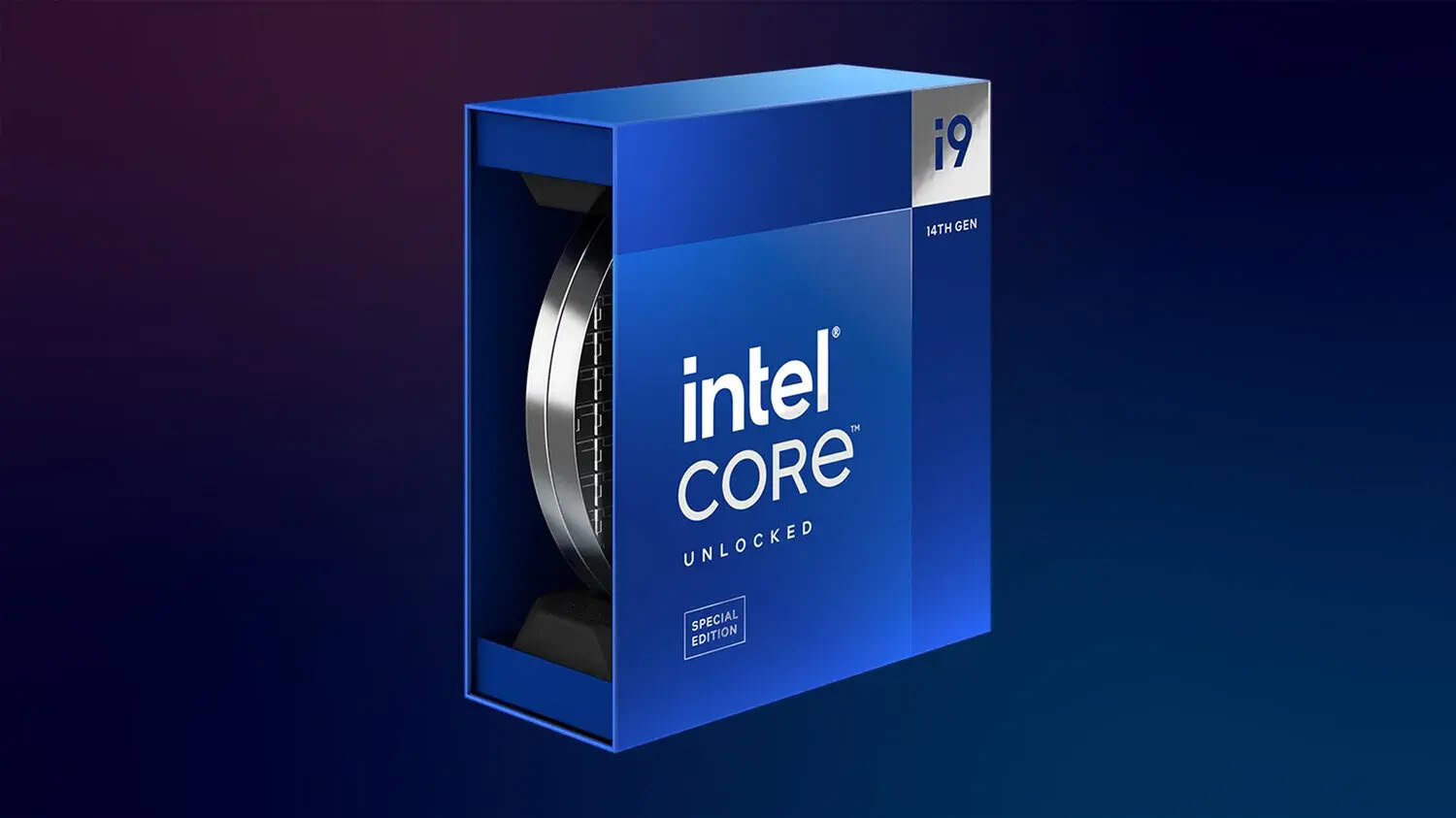
In January 2027, AMD and Intel are expected to unveil new hardware at CES 2027. AMD plans to introduce desktop chips from the Zen 6 generation, while Intel is preparing the LGA1954 platform and Nova Lake processors. Mass adoption of the LGA1954 platform is anticipated to take at least a year due to Intel's current focus on AI-agent hardware.
For gaming PCs, motherboard form factors like ATX and microATX are standard. While E-ATX and XL-ATX boards offer more features, they start at 35 000 ₽ and require specific case compatibility. Mini-ITX remains the primary choice for compact builds, though these boards typically offer fewer expansion slots and DIMM connectors compared to larger alternatives.
Chipsets are categorized by their feature sets, with Z-series (Intel) and X-series (AMD) boards targeting high-end performance, while B-series boards serve as mainstream options. Entry-level chipsets like H610, H810, A620, and A520 remain popular in the Russian market despite their limited feature sets.
A comparison between the MSI MAG B760 TOMAHAWK WIFI and ASRock Z790 Pro RS, both priced at 15 499 ₽ in late October 2026, shows that mid-range chipsets can outperform higher-tier models in specific configurations. While Z-series boards support CPU overclocking, the practice offers limited performance gains and high power consumption.
The actual capabilities of a motherboard, including PCIe lane distribution and interface bandwidth, depend heavily on the installed processor. For instance, the PCIe mode of the primary slot on an AMD B850 board varies between x16 5.0, x8 4.0, or x4 4.0 depending on whether a Ryzen 7000/9000, 8700/8600/8400, or 8500/8300 series chip is used.