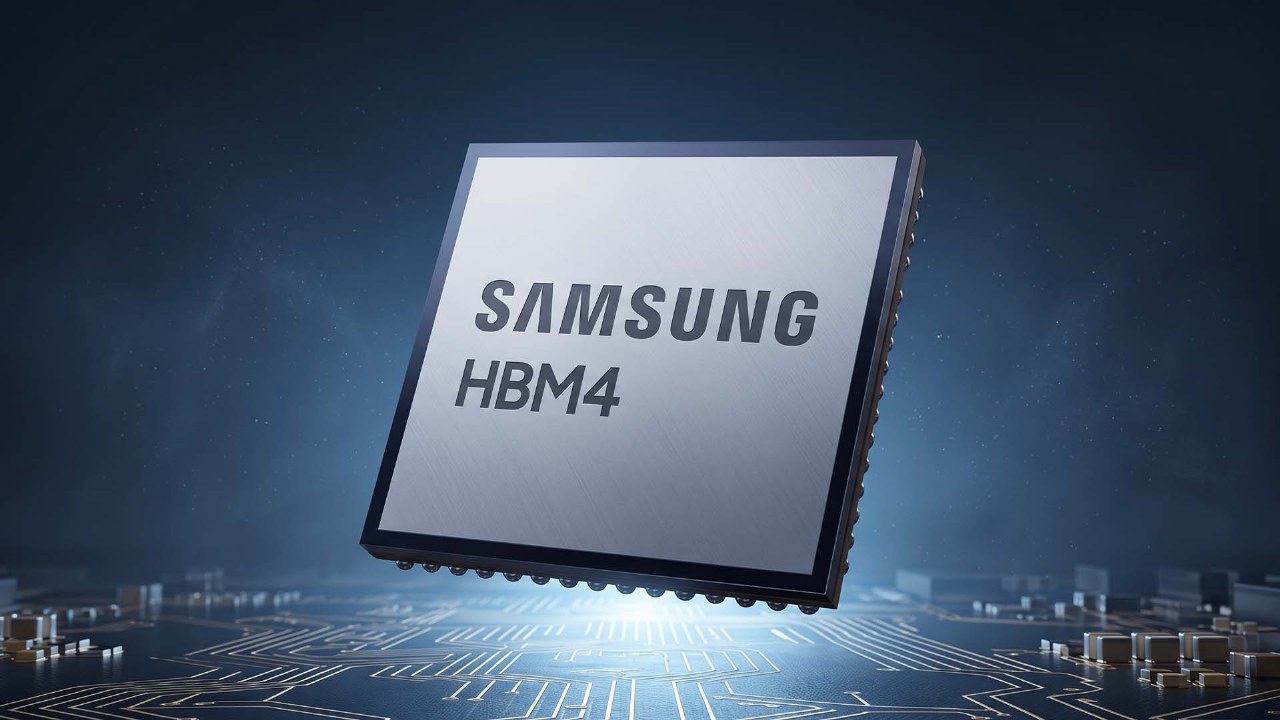
Samsung is preparing for the mass production of its next-generation HBM4 memory, which is expected to be significantly more expensive than the current HBM3E standard. Industry estimates suggest that the price of HBM4 could reach approximately three times that of HBM3E, driven by increased manufacturing complexity and the integration of logic base dies.
The production process for HBM4 involves advanced manufacturing nodes, higher stacking layers, and sophisticated packaging techniques. These technical requirements, combined with strong demand from major AI accelerator providers like Nvidia and AMD, are shifting the supply-demand balance within the DRAM industry as manufacturers prioritize HBM production capacity.
The shift toward high-bandwidth memory is impacting the broader semiconductor market. As Samsung, SK Hynix, and Micron allocate more wafer capacity to HBM, the supply of traditional DRAM for PCs and mobile devices is being squeezed. Analysts note that a single HBM4 stack can cost as much as or more than the entire memory suite found in high-end consumer electronics.
Samsung views the HBM4 rollout as a strategic opportunity to improve profitability and close the competitive gap with SK Hynix. The company aims to secure significant orders during the next cycle of AI infrastructure upgrades, as high-performance memory remains a critical component for AI models, accelerators, and emerging technologies like humanoid robotics.