The Russian Ministry of Industry and Trade has allocated 4.68 ₽ billion to develop and launch mass production of domestic materials for the microelectronics industry between 2026 and 2028. The program aims to create 98 new types of materials by the end of the period, as stated by Sergey Grachev, deputy director of the ministry's metallurgy department.
Funding is split into two main areas: research and development will receive 1.6 ₽ billion in 2026, 970 ₽ million in 2027, and 1.02 ₽ billion in 2028. Additionally, the government will provide subsidies totaling 660 ₽ million, 300 ₽ million, and 130 ₽ million for the respective years. The ministry expects a budgetary impact of 5.29 ₽ billion and the creation of 160 jobs by 2028.
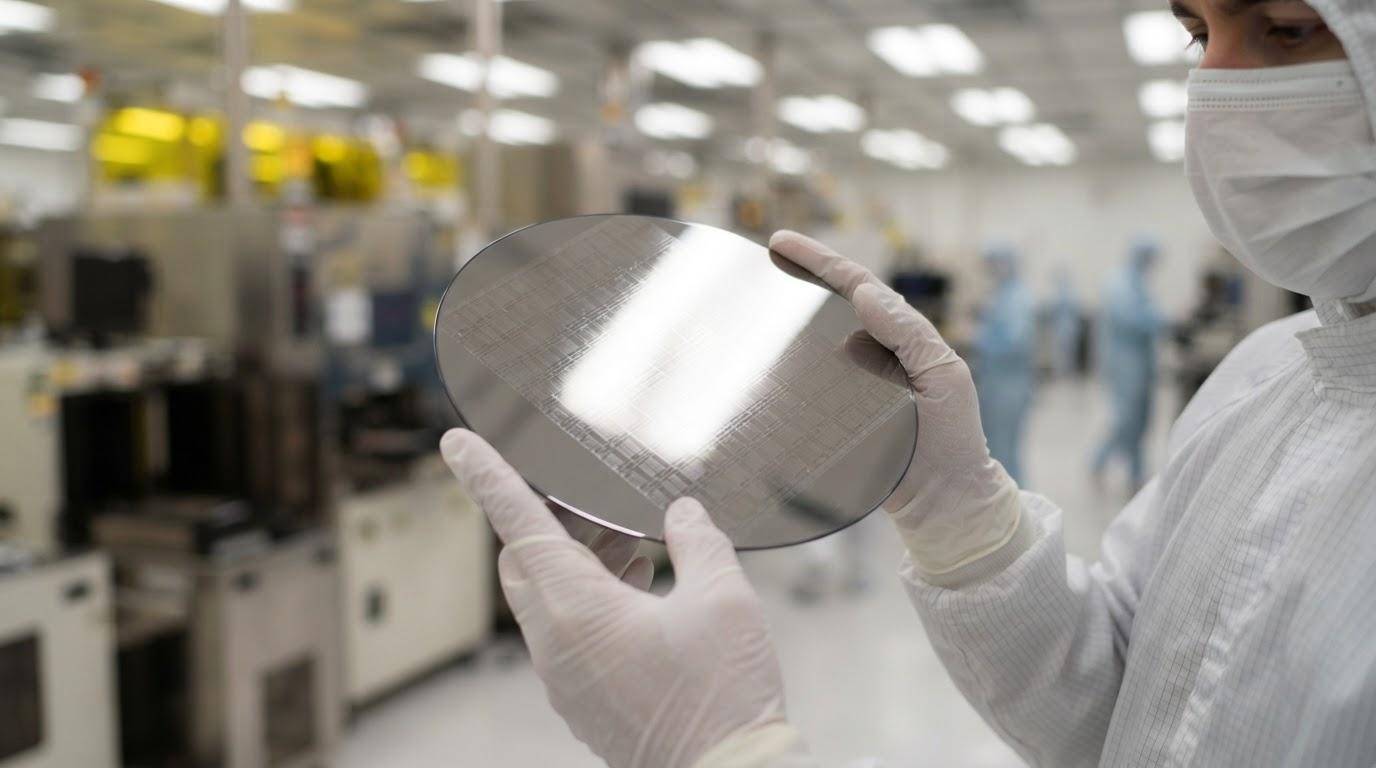
The number of domestic materials is set to grow from 34 in 2024 and 51 in 2025 to 69 by the end of 2026, eventually reaching 98 by 2028. In 2026, the country plans to start mass production of 18 critical materials, including neutron-transmutation doped monocrystalline silicon, photomasks for lithography, and silicon-on-insulator structures.
This initiative is part of a broader program to develop electronic engineering. By 2030, Russia intends to replace approximately 70% of the equipment and materials used in microelectronics with domestic alternatives. The total budget for this overarching program exceeds 240 ₽ billion.