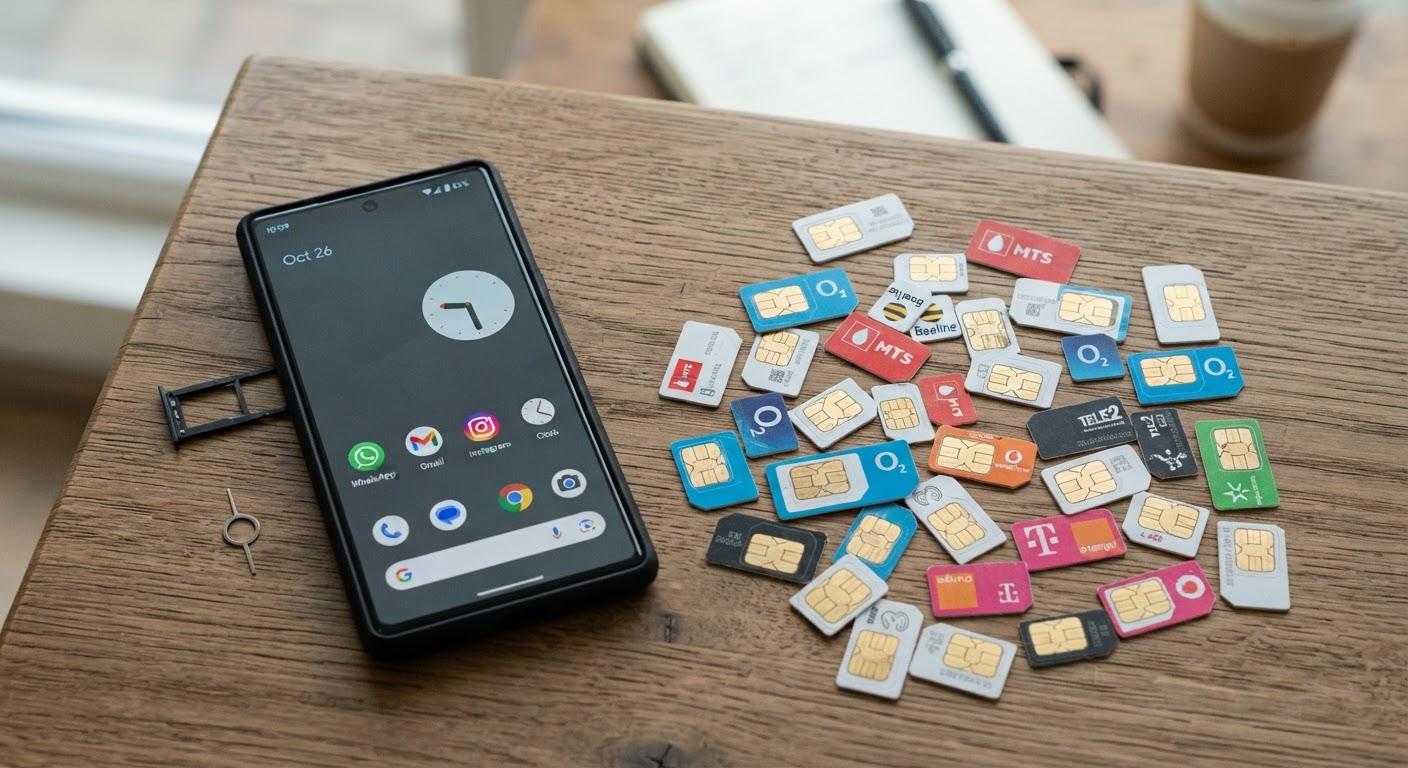
The Russian Ministry of Digital Development is proposing a major overhaul of SIM card sales. The initiative, part of the 'Antifraud 3.0' package, aims to eliminate sub-dealer schemes. Under the new rules, only direct legal entities with agency contracts with telecom operators would be authorized to sign service agreements.
The proposal would effectively bar individuals and sole proprietors from acting as intermediaries. The government intends to limit the sales chain to just two parties: the operator and the official dealer. The office of Deputy Prime Minister Dmitry Grigorenko confirmed that these measures are currently under discussion with relevant authorities and market participants.
The Ministry of Internal Affairs supports the move, with official Filipp Nemov calling for the liquidation of sub-dealer networks as a distribution channel. Currently, operators can delegate the right to sign contracts to third parties, provided they identify the customer. However, the new proposal seeks to tighten these oversight mechanisms significantly.
The 'Antifraud 3.0' project, which began in the spring of 2026, also considers banning the use of personal data of recipients and their relatives in mass SMS campaigns. Industry players like T2 suggest that instead of a total ban, authorities should focus on stricter operational requirements to ensure transparency and proper subscriber identification.
Analyst Alexey Boyko estimates that sub-dealers currently handle nearly half of all offline SIM card sales in Russia. Removing them from the market could impact thousands of retail locations, potentially reducing accessibility in some regions and forcing operators to increase spending on their own retail infrastructure.