

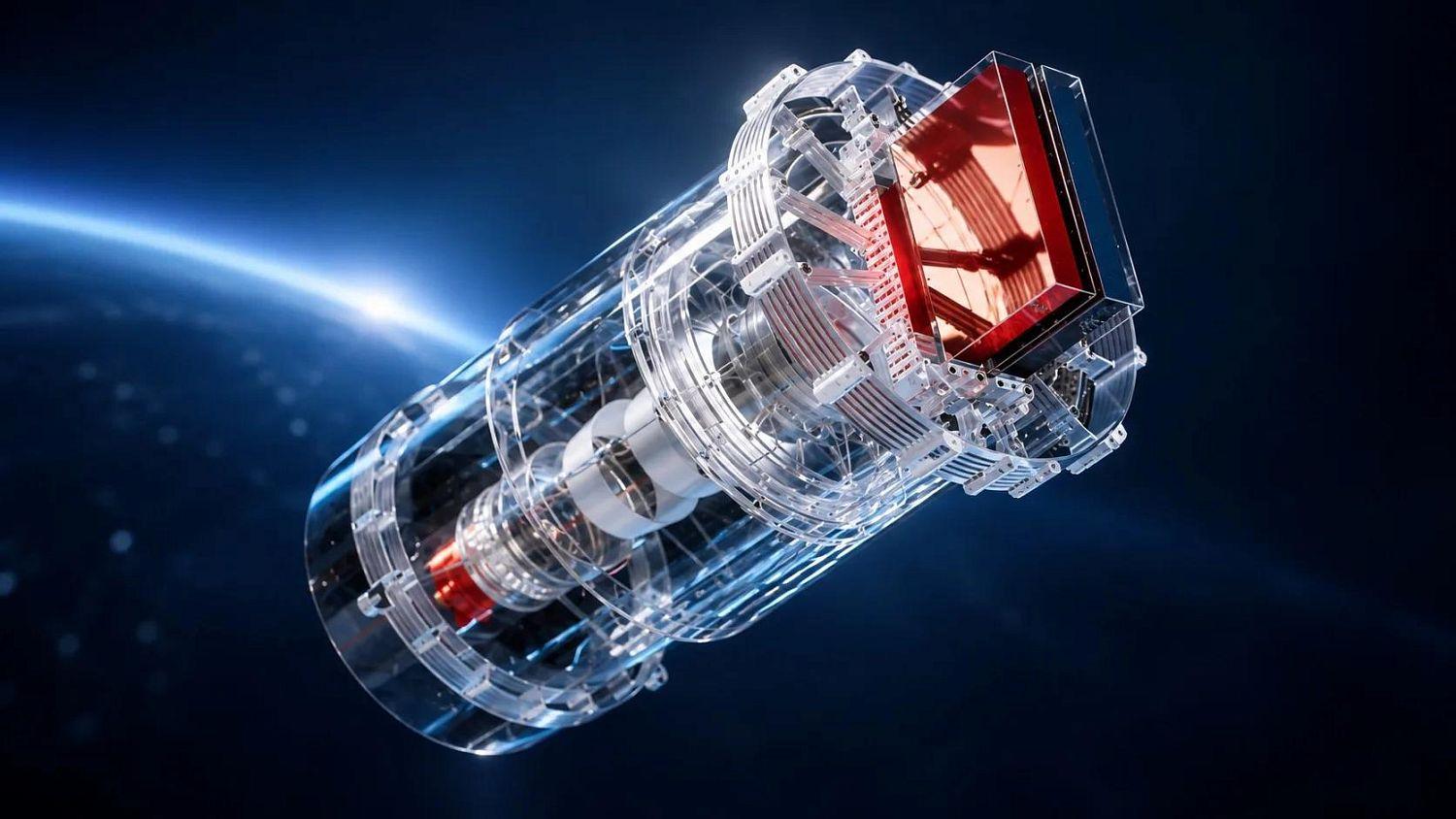
Roscosmos and Rostec have successfully tested a new Russian stereo imaging system for Earth observation. The Aist-2T topographic satellites, equipped with the Aurora optical-electronic hardware, have captured their first stereoscopic images of the planet's surface.
The Aist-2T satellites are the first small-scale Russian topographic spacecraft to feature multi-camera configurations. Each satellite carries two sets of Aurora equipment developed by the Shvabe holding, a subsidiary of Rostec.
By capturing the same territory from multiple angles simultaneously, the system generates stereo pairs. These images allow for the reconstruction of terrain and the creation of 3D maps covering both domestic and international regions.
The Aurora system is designed to monitor large areas, track environmental changes, and identify zones requiring high-resolution imaging. Applications include measuring river flood levels, monitoring landfills and quarries, and assessing forest canopy heights.
Data collected by these satellites supports emergency response, hydrology, agriculture, ecology, and geological exploration efforts.



