Revolut has reduced its AI coding expenses by 90% over the past year. The company shifted from commercial services like Anthropic Claude Code and OpenAI Codex to its own GLM models, which are hosted on its internal infrastructure. According to David Abitbol, head of operations and infrastructure, this transition allowed the company to cut costs significantly while maintaining high performance.
The implementation of AI tools for approximately 2,000 engineers resulted in a 60% reduction in coding time and a 70% decrease in task completion time. Initially, Revolut used Gemini and later experimented with Claude Code, but token usage limits hindered daily operations. Deploying GLM-5.1 cost roughly $0.30 per million tokens, which is ten times cheaper than commercial alternatives. The company has since upgraded to GLM-5.3.
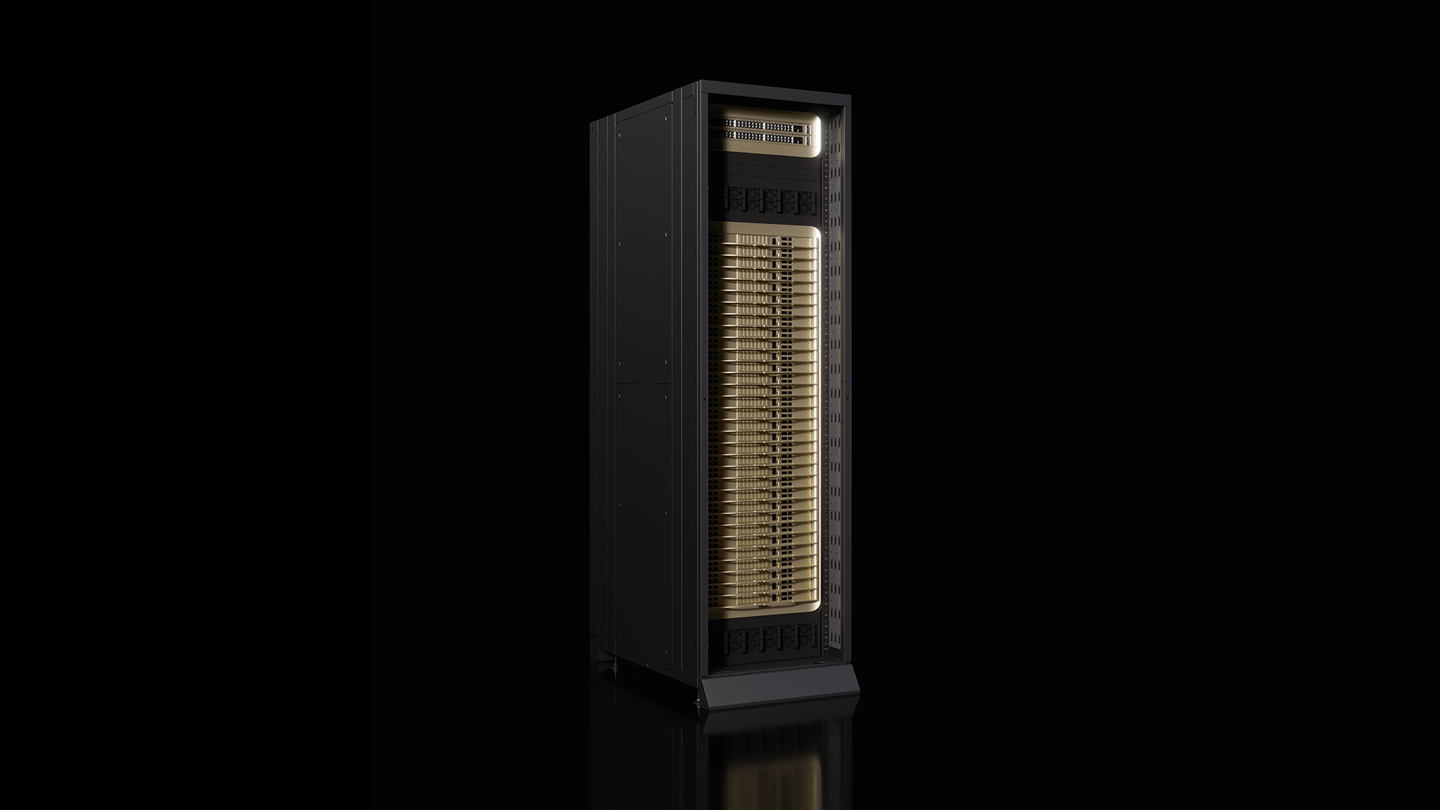
The infrastructure for GLM-5.3 utilizes 56 Nvidia B200 accelerators. Performance was optimized through model parameter tuning, NVFP4 quantization, and splitting input context processing from response generation. The system now limits the working context to 256,000 tokens, achieving a time-to-first-token of less than three seconds and a generation speed of approximately 200 tokens per second.
While GLM-5.3 serves as the primary model for coding, it is not used for image analysis. For tasks involving interface visuals, a router directs requests to Gemini or GPT. Abitbol noted that while using Chinese models can raise security concerns, these are mitigated by local deployment or the use of regional cloud resources, rather than relying on APIs based in China.