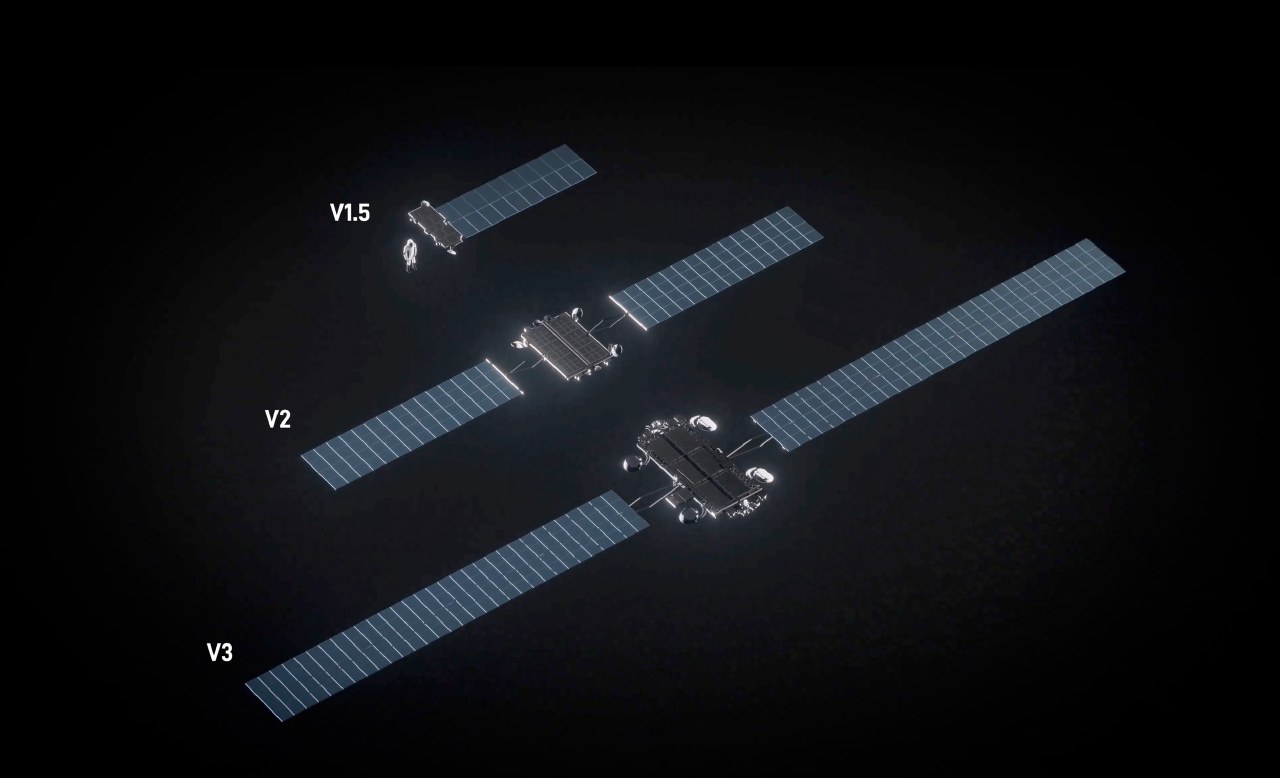
The rapid expansion of satellite megaconstellations is facing severe supply chain bottlenecks. Companies like Amazon and Blue Origin have proposed thousands of satellites, while total orbital projections suggest nearly 70,000 new units could join the existing 19,000 satellites in low Earth orbit over the next few years.
A joint report by the Aerospace Industries Association and PwC identified nine critical components, including valves, actuators, and transformers, that are currently in short supply. Suppliers are increasingly prioritizing high-volume orders from AI data centers, which often outbid space companies for essential electrical hardware.
Access to rare earth minerals like gallium nitride and germanium remains a significant risk. China currently controls approximately 98% of gallium production, leaving Western manufacturers vulnerable to export restrictions. Furthermore, geopolitical tensions in the Strait of Hormuz have already disrupted the supply of aluminum and helium.
Industry experts anticipate that these resource constraints will lead to project delays, company exits, and market consolidation. Some firms are already exploring vertical integration or material substitutions to mitigate risks, though analysts suggest that many ambitious constellation plans may ultimately fail to materialize as originally scheduled.