

An international team from the University of Liege and Rockefeller University has mapped the structure of a molecular machine essential for the survival of trypanosome parasites. These parasites are responsible for diseases such as leishmaniasis, African sleeping sickness, and Chagas disease, which affect millions of people worldwide.
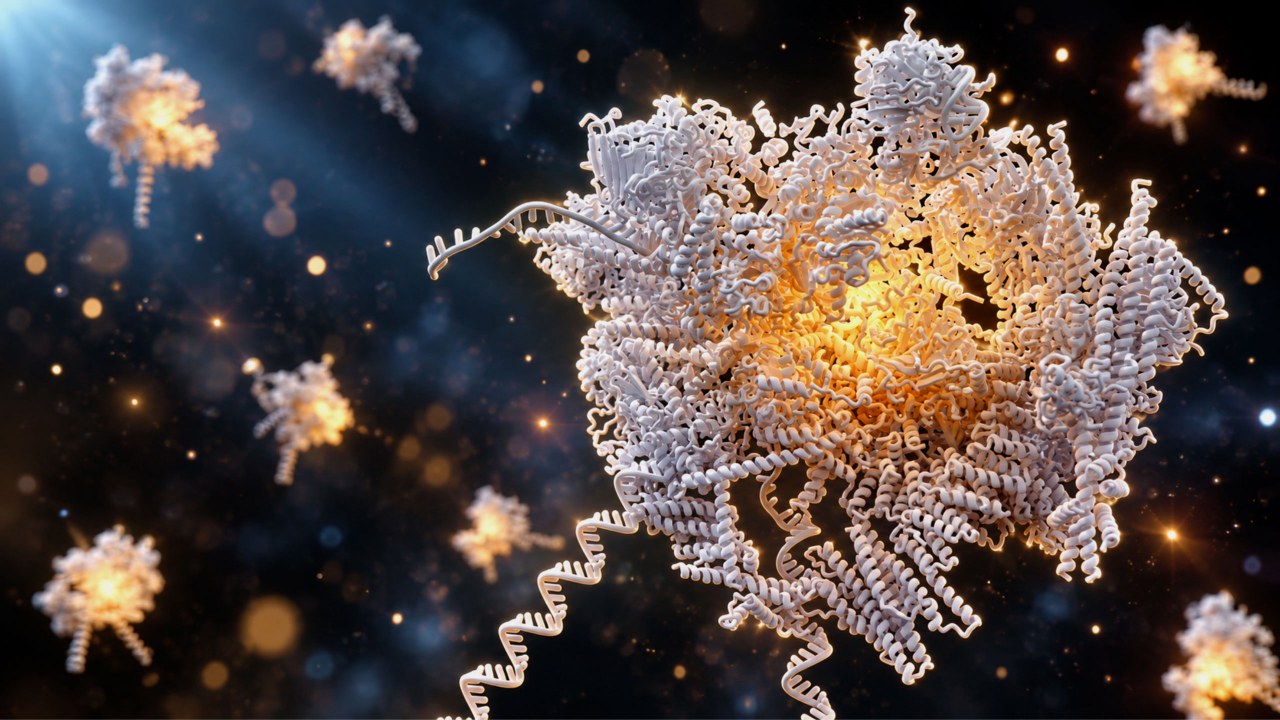
The researchers successfully reconstructed the three-dimensional structure of the spliceosome, a complex mechanism that processes genetic information in these parasites. Unlike human cells, trypanosomes rely on a unique process called spliced leader RNA trans-splicing to mature their messenger RNA, a step critical for their survival.
Using advanced cryo-electron microscopy, the team captured two key stages of the trans-splicing process. This breakthrough follows nearly 40 years of scientific efforts to observe how this molecular machinery assembles and functions within the parasite cells.
The study highlights significant structural differences between the parasite's molecular machinery and human RNA processing systems. This distinction provides a potential target for developing new drugs that can specifically disrupt the parasite's survival mechanism without causing significant side effects in human patients.


