

Testing the Qwen 3.8 27B model reveals that VRAM capacity is not the only factor for performance. The choice of inference engine, such as llama.cpp, vLLM, or SGLang, significantly impacts throughput and context handling.
On an RTX 5090 with 32GB of VRAM, llama.cpp shows poor performance at long contexts. Using vLLM on a single RTX 5090 limits the context to 32K, while a dual-GPU setup enables the full 262K context and reaches 100-110 tokens per second with MTP enabled.
The dual RTX 5090 platform tested costs over $13 000. SGLang on a single RTX 5090 proved nearly three times faster than vLLM, though it still requires a second card to utilize the full 262K context window supported by the model.
Older cards like the RTX 4090 and 3090 with 24GB of VRAM struggle with the model, limiting context length to approximately 112K tokens. These cards require dedicated VRAM management, as they cannot support the full native context limit.
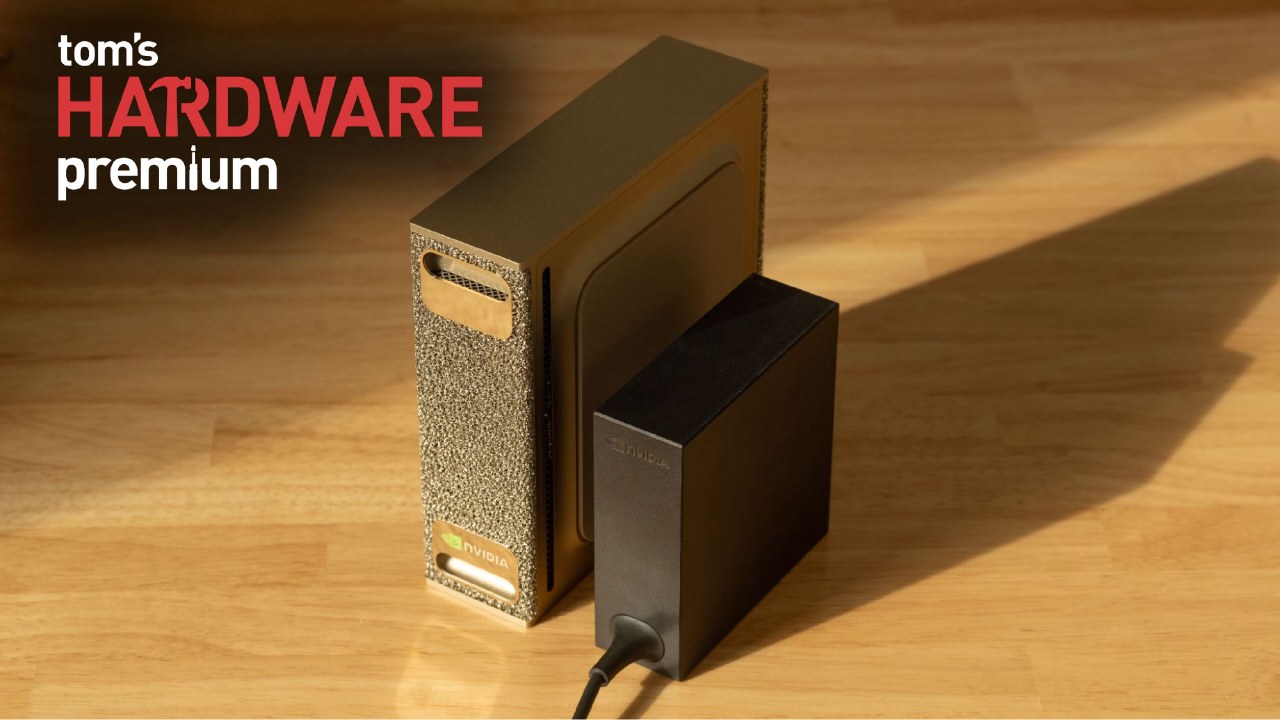
Alternative platforms like the DGX Spark, priced at about $5 000, offer competitive prefill performance. Meanwhile, systems like the Mac Studio and Ryzen AI Halo show varying results, with MTP providing mixed benefits depending on the specific hardware architecture.


