The Common Sense Leadership Fund recently placed a full-page advertisement in the Wall Street Journal, warning CEOs about the risks of tokenized stocks. The organization highlighted eight potential issues, including market manipulation, cybertheft, and legal liabilities. The fund urged companies to exercise their right to opt out of tokenization within a 30-day window provided by the SEC.
The number of companies opposing the tokenization of their shares on the OKX-ICE venue grew from nine on October 15 to 22 by October 23. This list includes major corporations such as Microsoft, Alphabet, Goldman Sachs, and Wells Fargo. This group represents 35% of the 63 companies originally planned for listing on the platform.
Despite OKX-ICE amending its rules on October 19 to allow issuers to tokenize their own shares, no company has chosen to participate. Robinhood remains central to this conflict, as the company has built a significant ecosystem around its own tokenized equities. The Robinhood Chain mainnet, launched on July 1, generated $51 million in revenue during its first quarter.
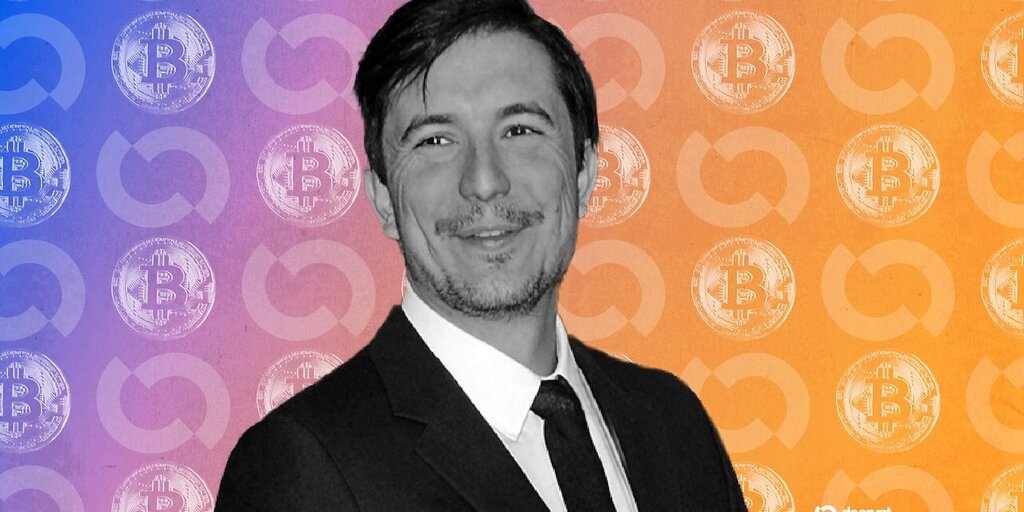
Robinhood's network processed $65 billion in decentralized exchange volume in its debut quarter, with $13.7 billion attributed to tokenized equities. These assets now underpin various projects on the chain, including meme-coin trading pairs and AI inference credit funding. Investors are now awaiting the company's third-quarter earnings call to see if CEO Vlad Tenev will address the ongoing dispute.