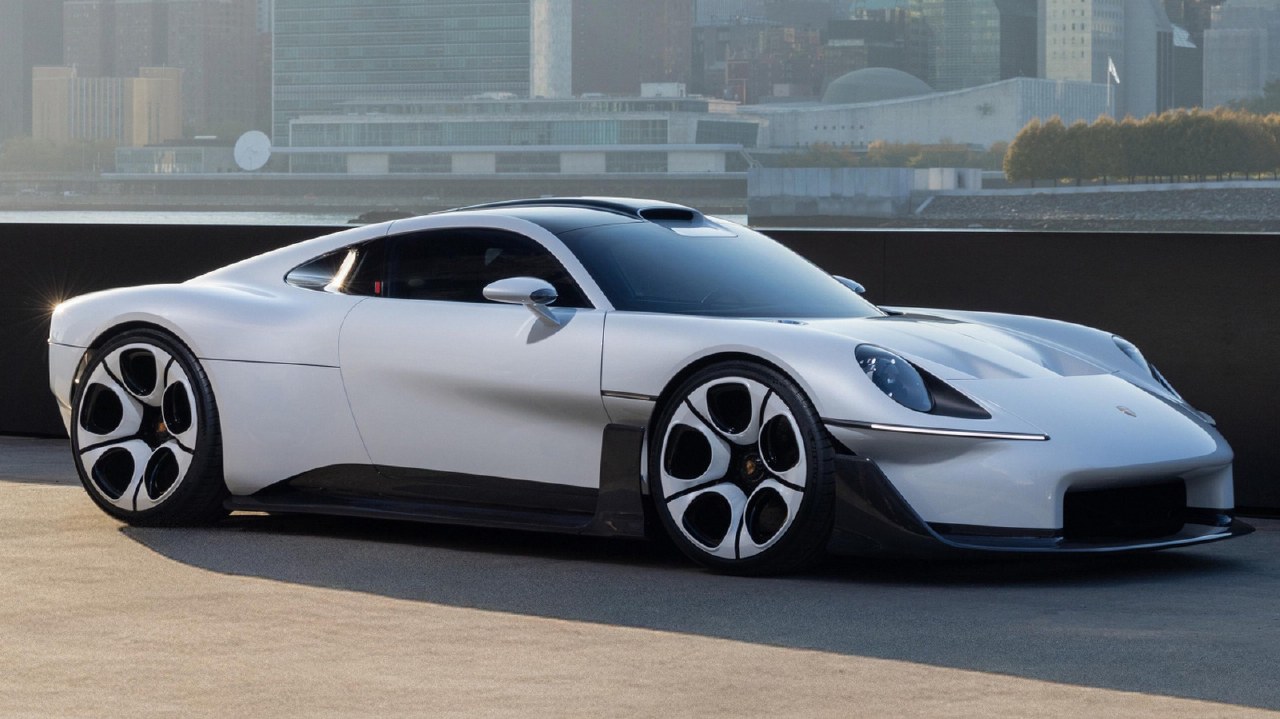
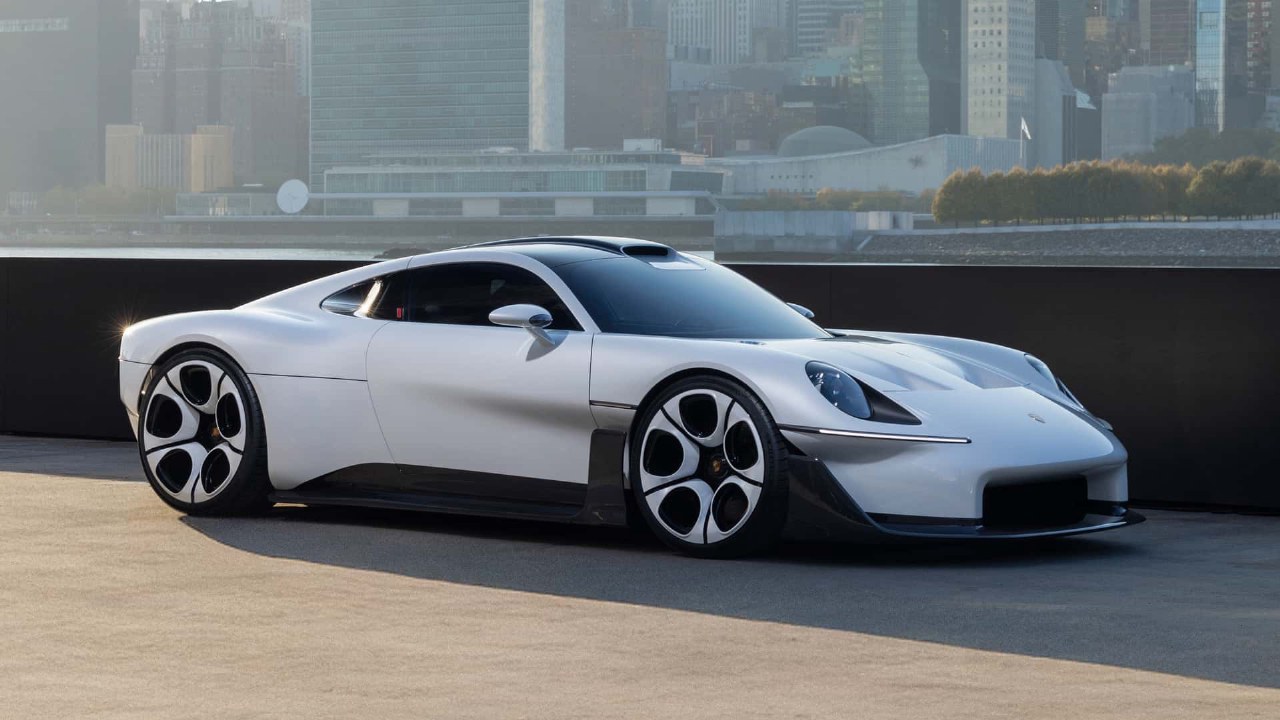
The Formula 2030 concept, led by design chief Philipp Römers, previews the brand's next design era. The vehicle features a low-slung profile and motorsport-style vertical windshield wipers. It will be presented to investors, retailers, and select customers at the Gothenburg headquarters before a global debut later this year.
The concept serves as a preview for the upcoming Polestar 7 and the next-generation Polestar 2, which is scheduled for 2027. The company plans to evolve its minimalist Scandinavian aesthetic, retaining signature elements like the Dual Blade headlights.
Financial performance remains a challenge. Polestar's shares fell 29.4 percent after the first-half 2026 results. Revenue decreased by 4.4 percent to $1.4 billion, while vehicle sales grew by only 0.4 percent compared to the last year's same period.
The company reported a loss of $842 million for the first six months of 2026, though this is 29 percent lower than the loss in the first half of 2025. Polestar has reduced its production growth targets for 2026 due to intense competition.
The brand is exiting the US market after failing to secure authorization for 2027-model-year vehicles due to connected-car rules regarding Chinese technology. This occurs despite the Polestar 3 sharing a production line in South Carolina and hardware with the Volvo EX90, which received an exemption.
Legal troubles have added to the pressure. A New Jersey dealer has filed a lawsuit against Polestar for at least $25 million, claiming the automaker had already planned its withdrawal from the American market.