President Ferdinand Marcos Jr. is advocating for the domestic manufacturing of electric tricycles and jeepneys in the Philippines. The government aims to bridge the gap between local manufacturers and electric vehicle technologies developed by national universities and research institutions.
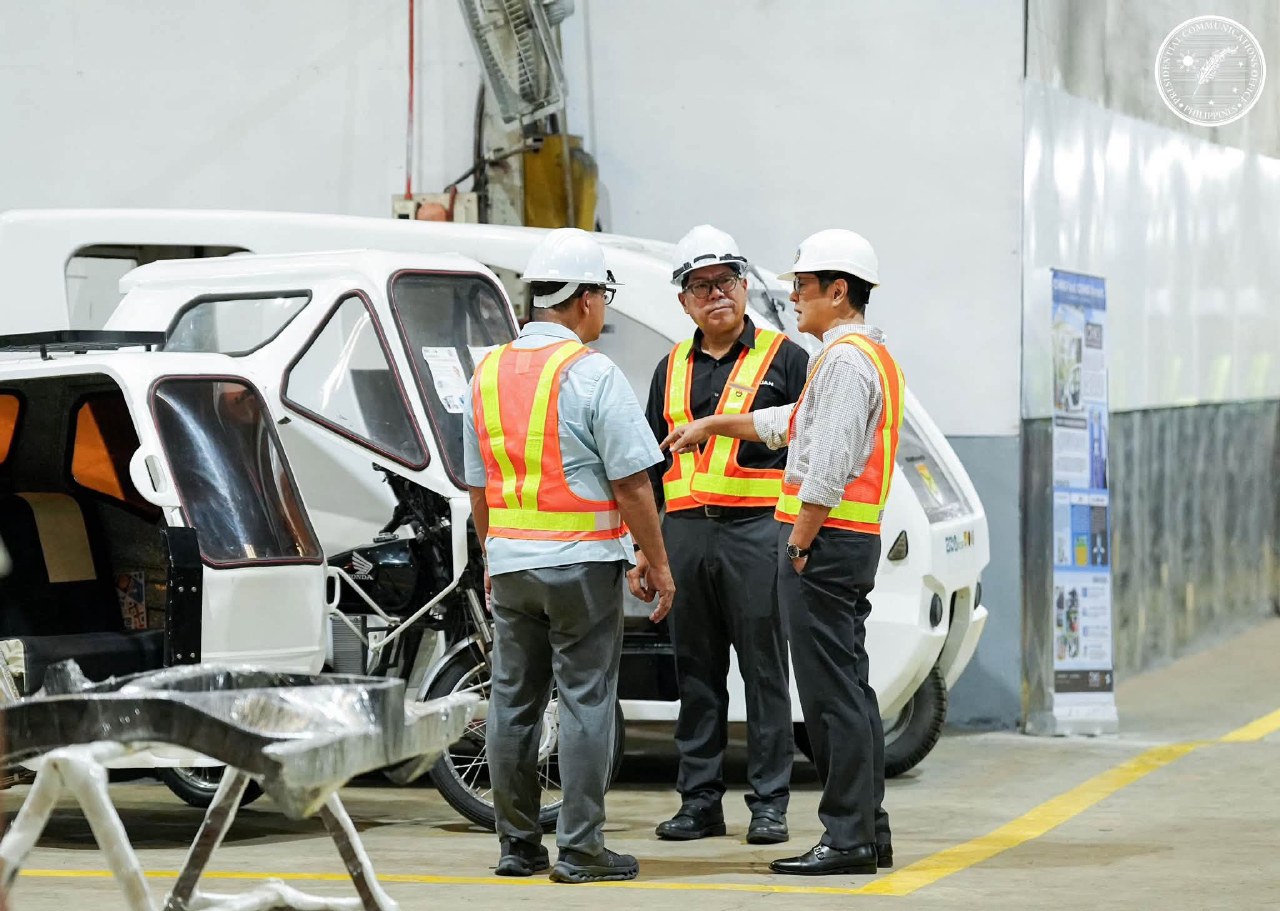
The Department of Science and Technology is facilitating this initiative, highlighting the work of the Cagayan State University (CSU). The university has developed a seven-seater electric tricycle and a conversion system for existing vehicles, with the latter costing approximately PHP 120,000.
The prototype of the CSU electric tricycle is currently priced at about PHP 600,000, or $10,400. Officials suggest that commercial production will significantly lower this figure by removing research and development costs and optimizing labor and material expenses.
The project has received over PHP 51 million in government funding through the Science for Change Program. Five units were deployed for field testing in 2024, and the university has already established technology licensing agreements with private firms for mass production.
The government is also exploring broader infrastructure solutions, including solar-powered charging stations and battery-swapping systems. These efforts are intended to reduce national reliance on imported petroleum and support public transport operators with more affordable options.