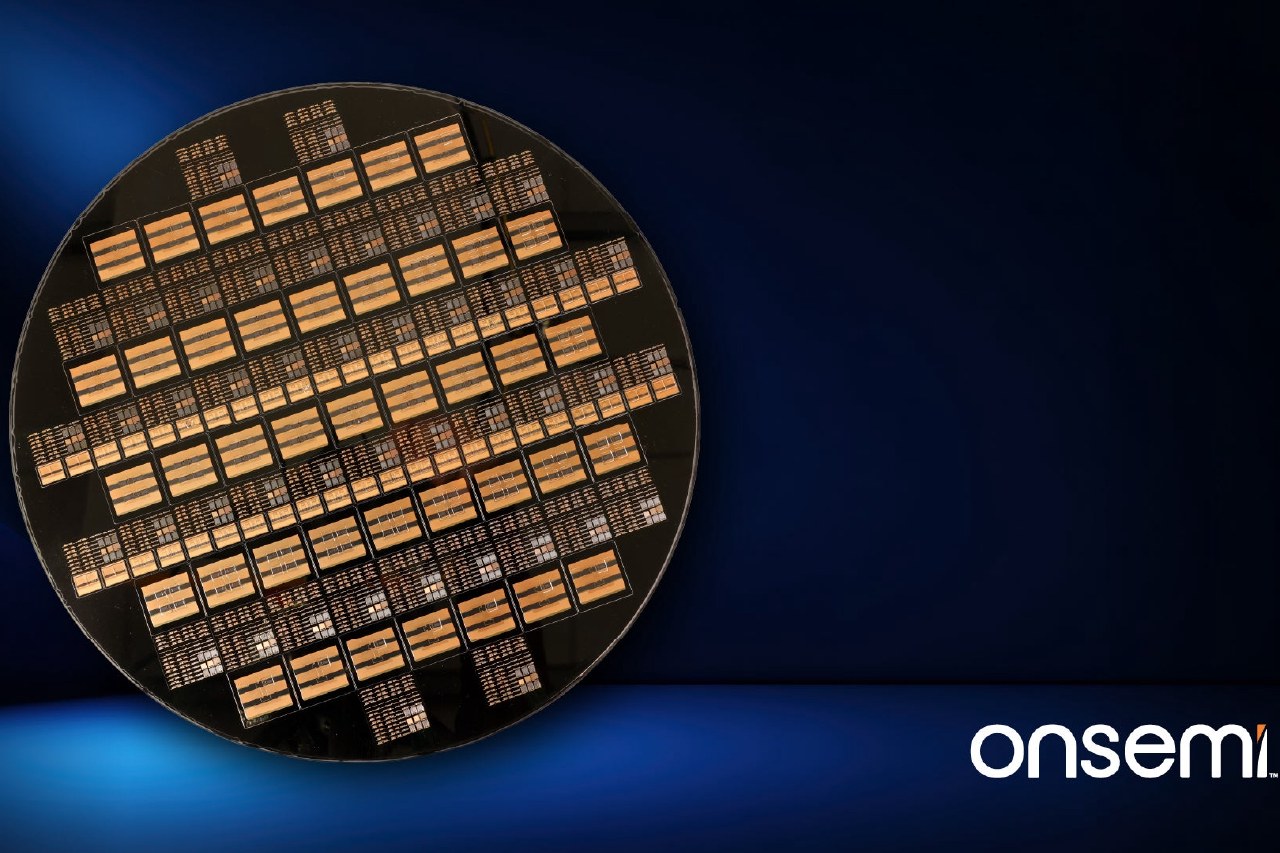
Onsemi has unveiled the Embedded Power Platform (EPP), a new architecture for power electronics designed to increase power density in traction inverters for electric vehicles. The company claims the platform can achieve up to four times higher power density and reduce power losses by 15 per cent compared to conventional solutions.
The EPP architecture uses the silicon wafer as the package foundation, allowing the integration of silicon, silicon carbide, and gallium nitride technologies alongside FETs, drivers, and controllers. This design reduces parasitic inductance, which helps lower electrical losses and supports higher switching frequencies.
Subaru is among the first automotive partners to collaborate with Onsemi on this technology. The Japanese automaker will receive engineering samples and simulation models for evaluation, though no final decision has been made regarding the use of EPP in mass-production vehicles.
Onsemi plans to manufacture the platform on its existing 12-inch silicon wafer lines. The architecture is designed to be scalable across various power classes, which the company expects will reduce development and production costs for vehicle manufacturers by allowing the use of a common base design.
While the platform is in an early phase, Onsemi anticipates that development cycles could be shortened to as little as four months in some cases. Beyond the automotive sector, the company is targeting industrial applications and power supply systems for AI data centres, with initial samples expected later this year.