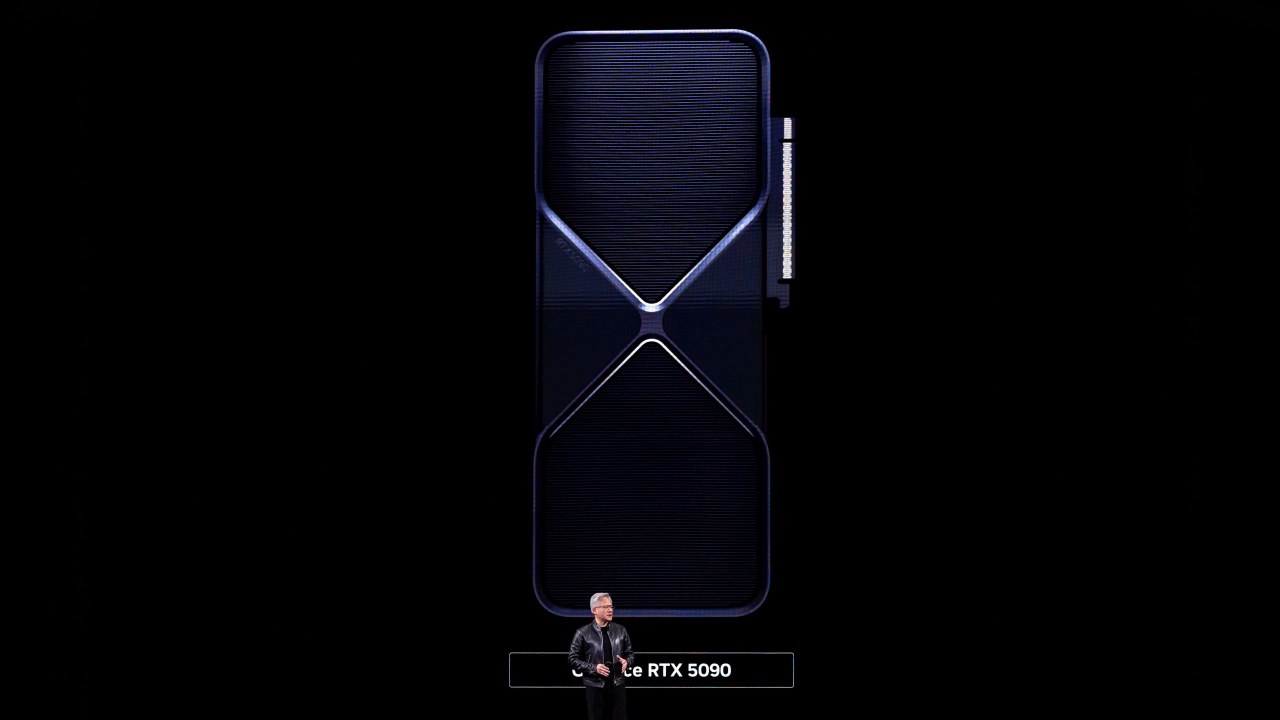
Nvidia has postponed the release of its consumer-grade GeForce RTX 60 series GPUs, based on the Rubin architecture, to 2028. Previous estimates suggested a launch in 2027, with some projections targeting the first half of that year.
The delay is driven by production constraints at TSMC, where high demand for AI accelerators takes priority. Nvidia is prioritizing its data center business, which currently serves as its primary revenue driver, over consumer gaming hardware.
The Rubin architecture for data centers features 336 billion transistors and supports up to 288 GB of HBM4 memory per GPU. The consumer version of this architecture has not yet been formally announced by the company.
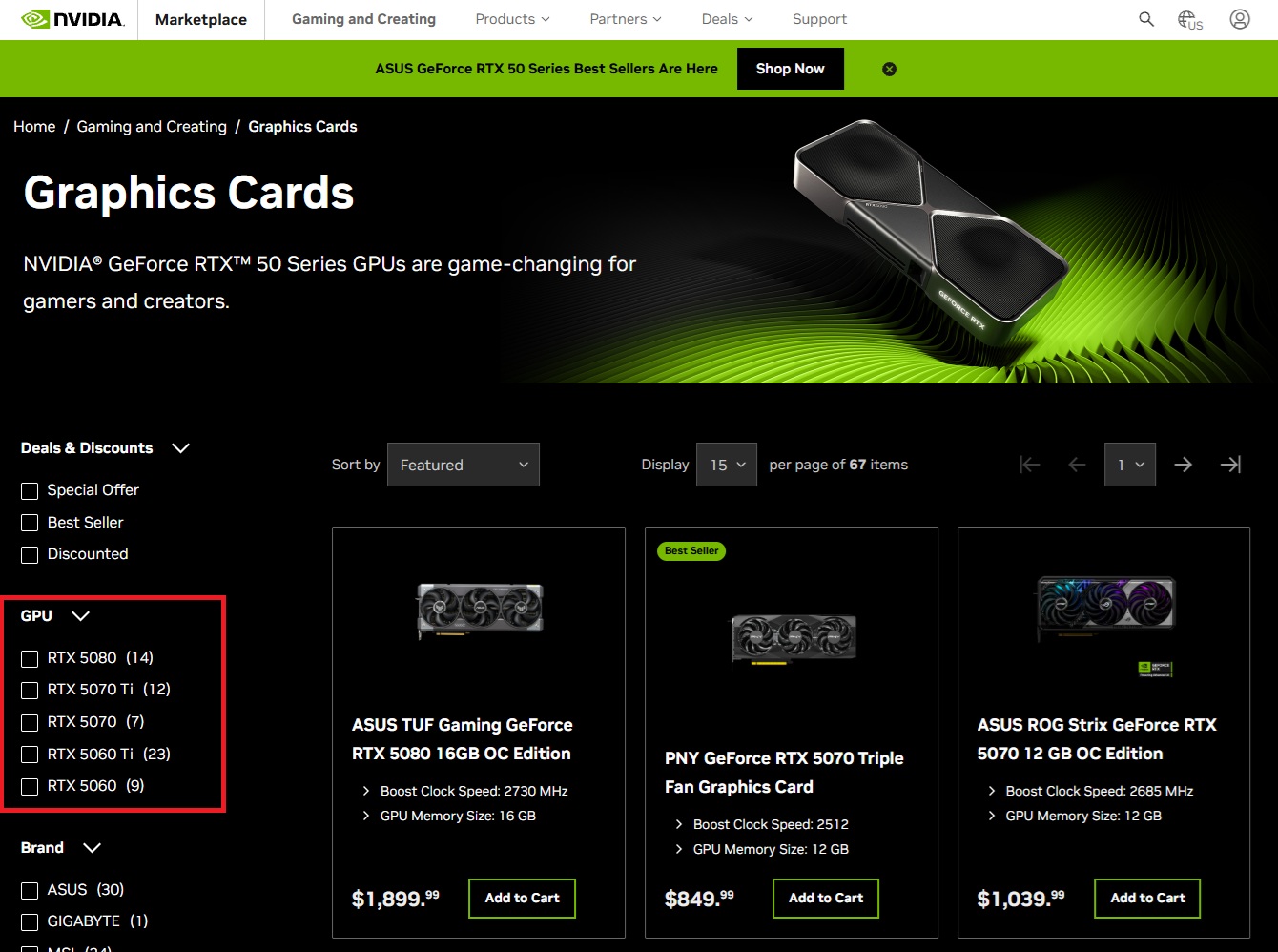
As a result of this shift, the current RTX 50-series, based on the Blackwell architecture, will remain on the market longer than initially anticipated. This extended lifecycle increases the importance of software solutions like DLSS.
AMD is facing similar supply chain pressures, with its RDNA 5 lineup also expected to arrive in 2028. While one specific chip, the AT2, may potentially launch in 2027, the broader rollout for AMD follows a similar delayed schedule.