

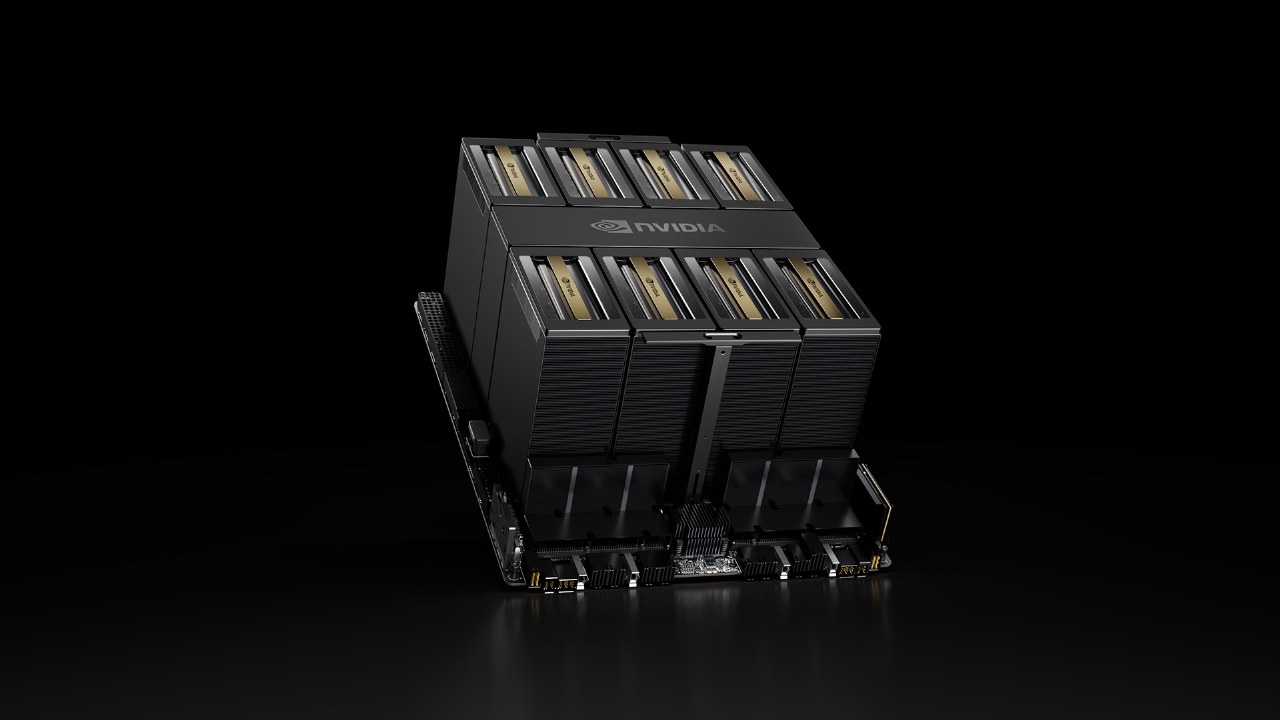
The NVIDIA B200 AI accelerator, based on the Blackwell architecture, is currently trading in the secondary market at a 58% premium over its original official retail price. This trend marks a departure from typical hardware depreciation cycles, where electronic components usually lose value over time.
The supply-demand imbalance is driven by intense competition among hyperscalers, sovereign AI institutions, and AI startups. These entities are prioritizing immediate access to high-density, high-efficiency computing power to maintain competitive advantages in the generative AI sector.
Production constraints at TSMC are a primary factor in the ongoing shortage. The B200 chip relies on advanced manufacturing processes, complex 3D packaging like CoWoS-L, and HBM3E memory integration. These technical requirements have extended delivery lead times to several quarters or even over a year.
Buyers are increasingly turning to the secondary market to bypass long wait times from official channels. The willingness to pay significant markups for ready-to-use computing clusters has transformed the B200 into an asset that maintains high value, reflecting the current high-growth cycle of global AI infrastructure.

