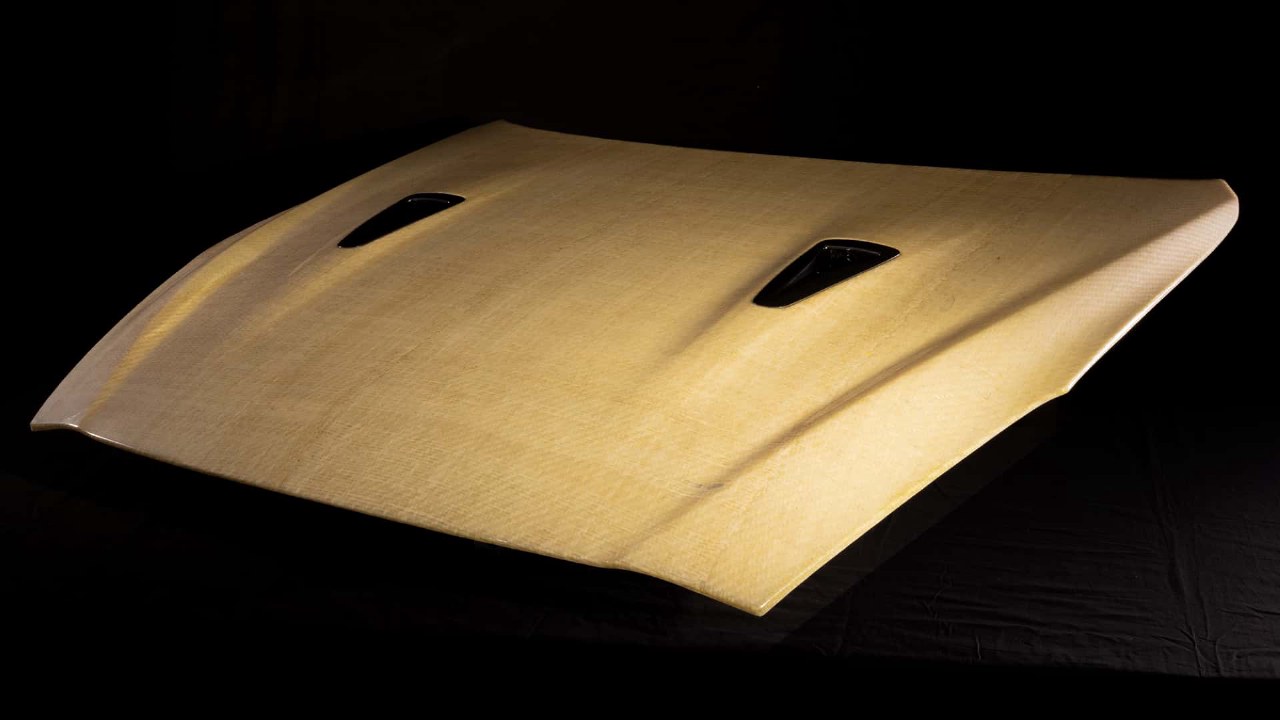
Nissan and the Japanese company Food Reborn Co. Ltd. have developed automotive exterior body panels using natural fiber-reinforced plastic derived from discarded pineapple leaves. The announcement was made on November 17, 2026, ahead of a public exhibition. The material is designed for high-performance environments, such as motorsports, where sustainable composites are typically expensive and limited in supply.
The manufacturing process involves extracting fibers from leaves, spinning them into flat yarn, and weaving them into fabric. This fabric serves as a reinforcement layer within the composite. Nissan claims the material offers higher tensile strength than conventional flax-based composites. The company has licensed its production know-how, covering yarn, fabric, and resin-impregnated prepreg, to Food Reborn.
Globally, farmers discard over 50 million tons of pineapple leaves annually, providing a significant source of raw material that does not impact food production. This initiative aligns with Nissan's Green Program 2030 sustainability targets. Currently, the panel is an exhibition technology, and Nissan has not yet confirmed plans for its use in mass-production road vehicles.
The technology will be showcased at the SAMPE Japan Advanced Materials Technology Exhibition 2026, held from November 18 to 20 at Tokyo Big Sight. Food Reborn, based in Okinawa, specializes in biodegradable materials and will celebrate its tenth anniversary in September 2027. Nissan has not yet released independent test data or a quantified carbon-footprint assessment for the material.