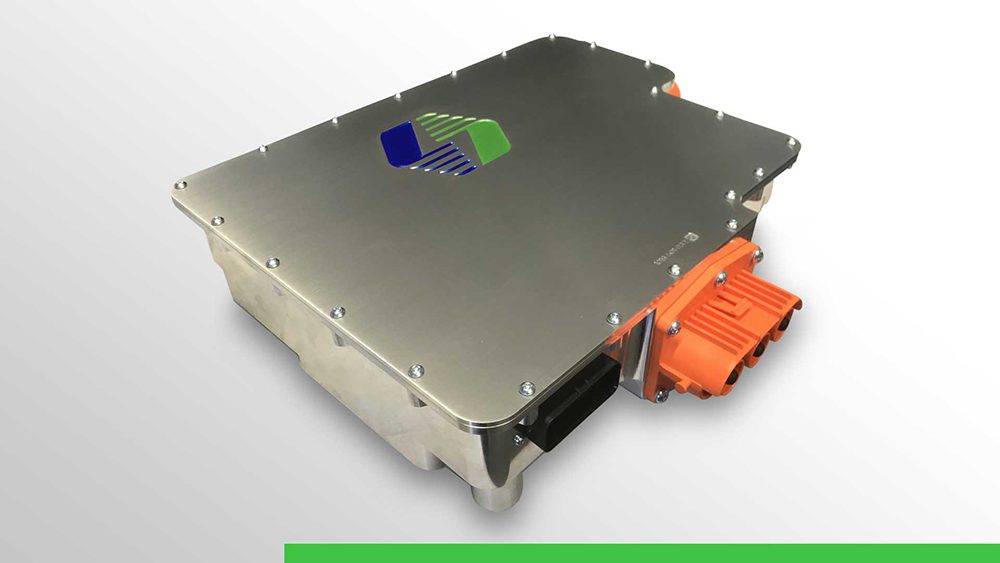
Toyota has unveiled a prototype linear drive unit designed for hydrogen-powered engines, developed in collaboration with Kyoto University. The system utilizes magnetic levitation principles, similar to those found in Japanese maglev trains, to operate a liquid hydrogen pump. By replacing traditional gear mechanisms with a simplified structure, the device minimizes friction-induced heat and reduces liquid hydrogen evaporation.
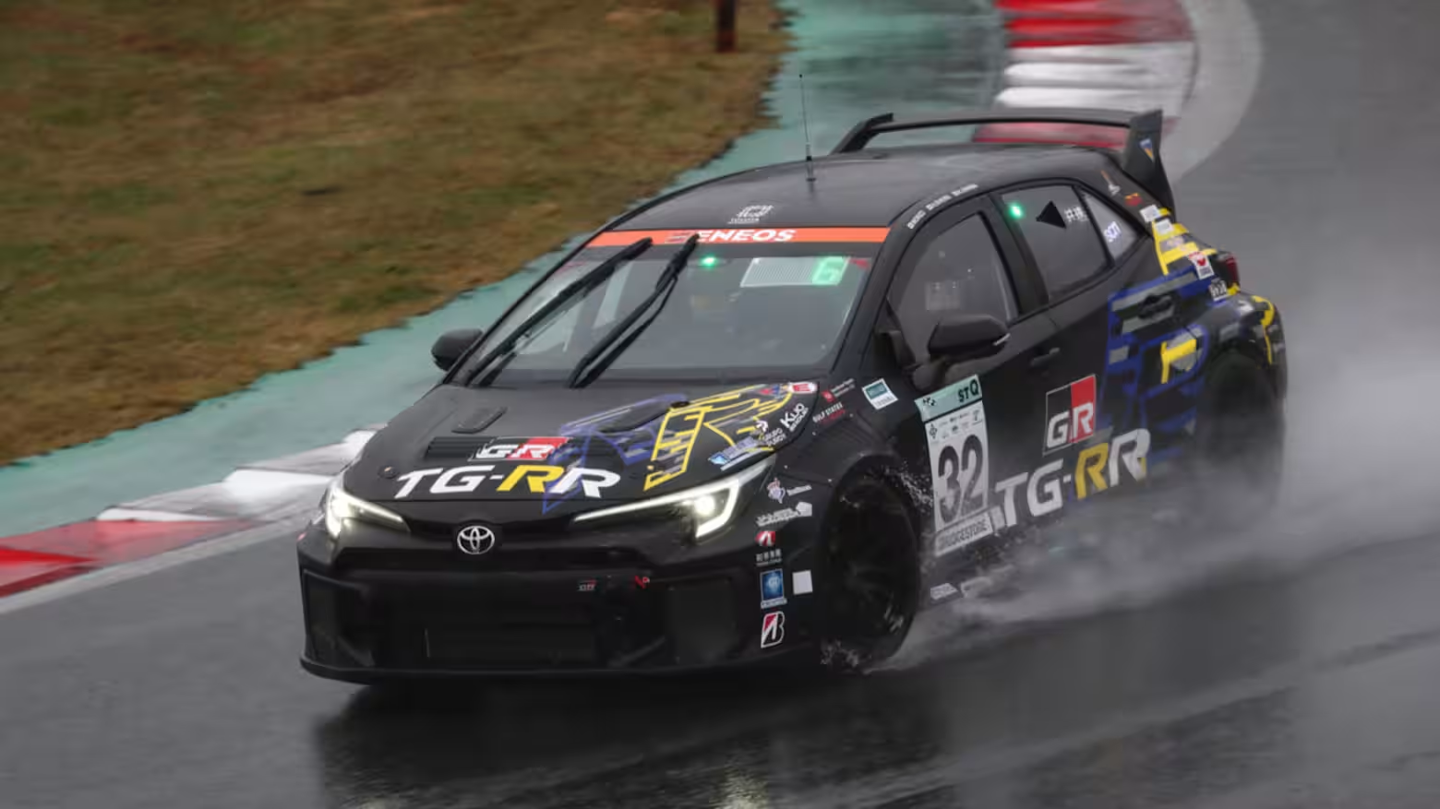
The automaker showcased the technology at the final round of the Super Taikyu Series held at Fuji International Speedway. Toyota Racing President Tomoya Takahashi stated that the company aims to debut the new drive unit during the 24-hour endurance race scheduled for June next year. The project is part of Toyota's broader strategy to develop hydrogen engines capable of competing with gasoline vehicles.
In addition to the linear drive, Toyota has implemented other efficiency upgrades this season. By integrating superconducting motors directly into fuel tanks, the company increased fuel capacity by approximately 40%. Furthermore, the installation of Teflon anti-slosh baffles inside the tanks has reduced liquid hydrogen evaporation by 3% to 5%, allowing vehicles to extend their range by one additional lap.