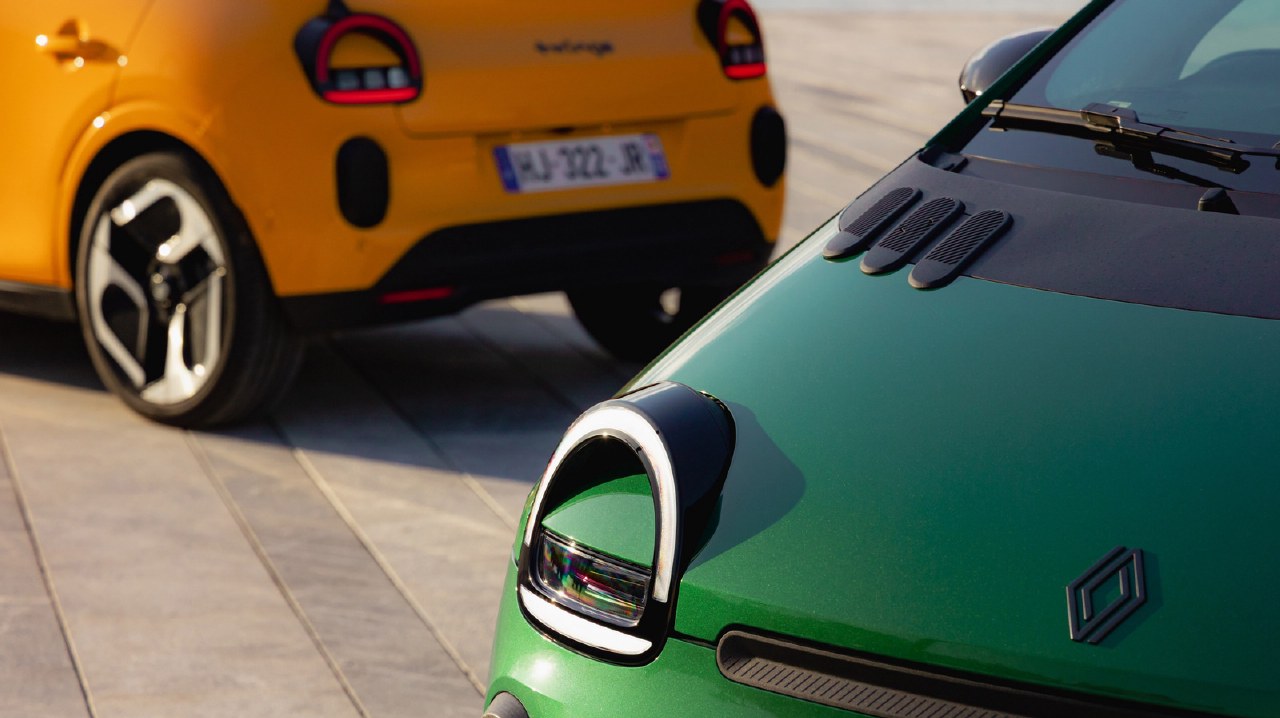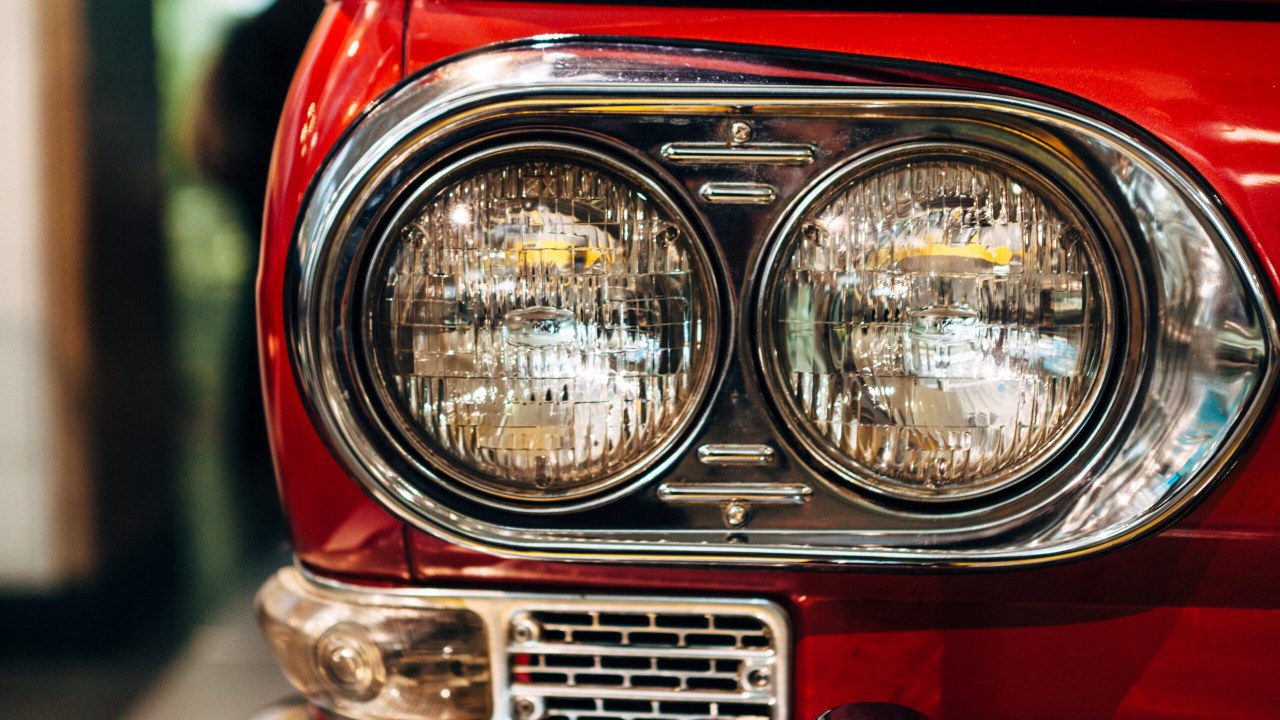
The National Highway Traffic Safety Administration is preparing to update the FMVSS 108 standards governing vehicle headlights. The agency aims to modernize regulations to accommodate advanced lighting technologies while addressing issues related to glare. Officials are currently organizing discussions with industry experts and stakeholders to facilitate these changes.
Current US regulations have historically lagged behind global standards, which previously prevented automakers from deploying adaptive headlight systems. While a final rule for adaptive beam matrix LED headlights was established in 2022, manufacturers like Audi currently offer these features in the US with more limited functionality compared to European-spec vehicles.
The agency's revision process focuses on several key areas, including the harmonization of US standards with global requirements. Planned updates cover LED technology, ambient light sensors, automatic high-beam systems, and replaceable light sources. Additionally, the NHTSA intends to refine testing procedures for optics and improve headlight aiming protocols.
The regulatory shift addresses fundamental differences in vehicle certification. Unlike the European type-approval system, the US relies on a self-certification regime where manufacturers declare compliance with federal standards. The NHTSA previously found European glare tests too subjective for this self-certification model, necessitating the development of specific domestic rules.