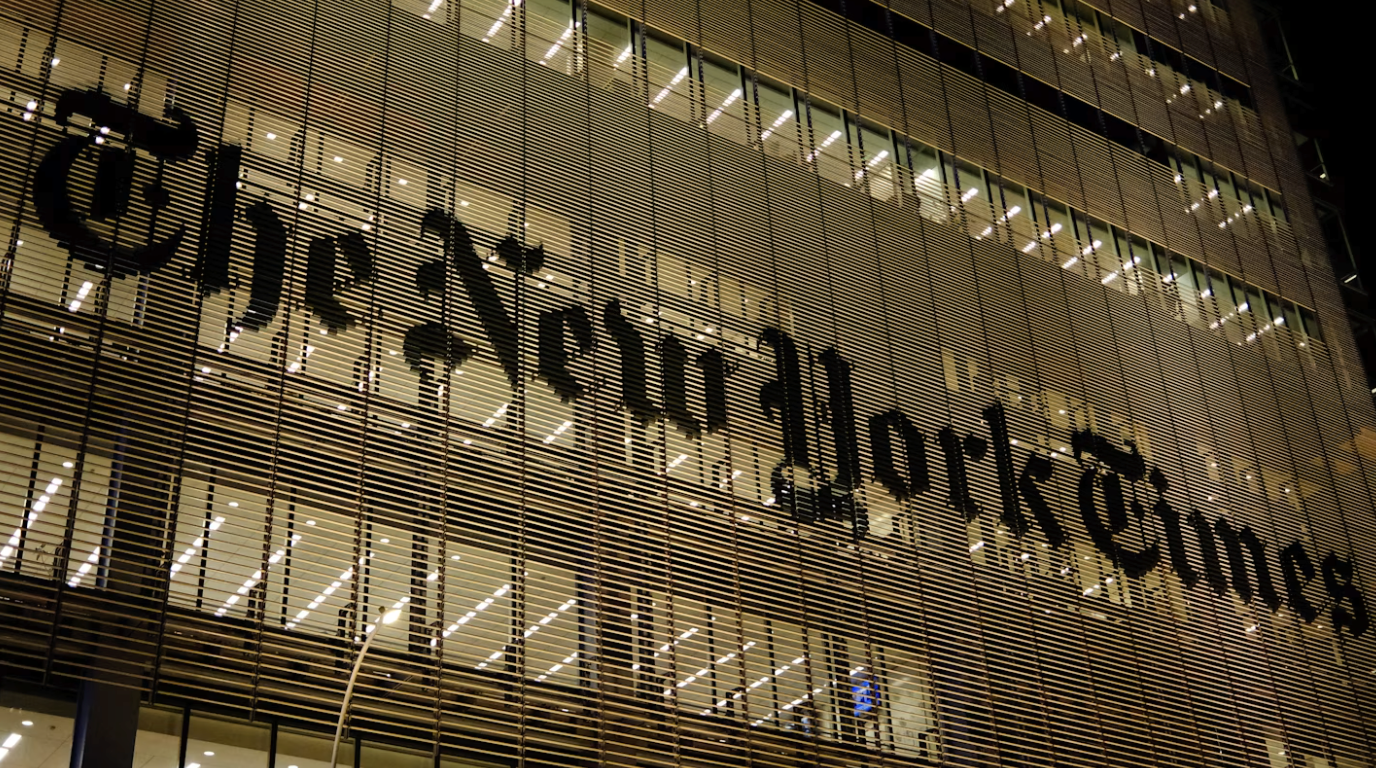
The New York Times has filed new legal documents alleging that OpenAI knowingly copied millions of copyrighted articles to develop its AI technology. The publisher claims that OpenAI and Microsoft are infringing on copyright law by using this content to train models that pose an existential threat to journalism.
Legal representatives for the newspaper argue that OpenAI is driven by commercial interests. They cited internal communications from 2017, where co-founder Greg Brockman expressed a desire to generate astronomical wealth through the commercialization of the company's technology.
The lawsuit highlights internal concerns regarding the impact of AI on publishers. A ChatGPT lead reportedly acknowledged that AI products are highly substitutive and pose a survival threat to content creators. Additionally, Microsoft research found that users of its AI tools click on original content 83% to 93% less often than those using traditional search engines.
The documents further allege that OpenAI used deceptive methods to bypass paywalls to scrape content. Greg Brockman was reportedly aware of these practices. Microsoft CEO Satya Nadella testified that if he had known about the unauthorized scraping of paywalled data, he would have exercised his rights to demand that OpenAI retrain its models.
OpenAI maintains that its training process qualifies as fair use, comparing it to the way search engines access information. The company argues that its models transform content rather than simply copying it. Microsoft stated that the internal comments cited in the lawsuit represent individual opinions rather than legal analysis.