

Researchers from the University of Kentucky have long used micro-computed tomography and neural networks to virtually unroll fragile Herculaneum scrolls. These documents, carbonized by the eruption of Mount Vesuvius in 79 AD, present significant challenges for imaging due to the low contrast between carbon-based ink and charred papyrus.
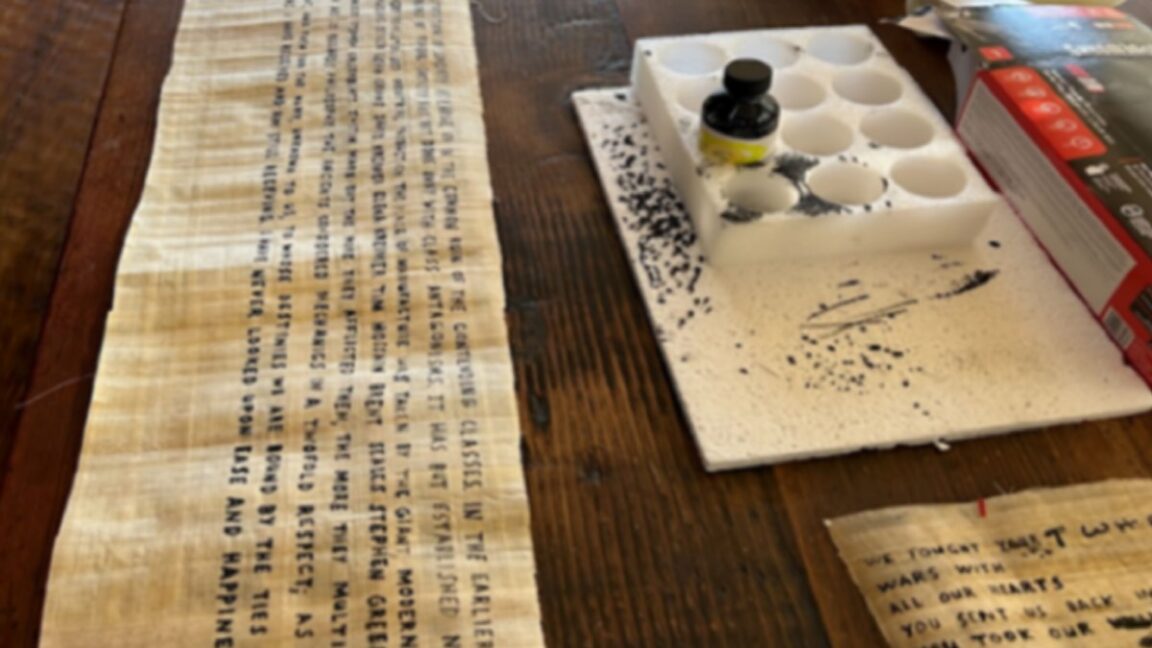
Inventor Douglas Seiler and his team developed model scrolls to test the visibility of lead-based inks under X-ray scanning. They used modern papyrus and lampblack ink mixed with lead nitrate, carbonizing the samples in a furnace to simulate ancient conditions. Physicist Jake LaManna performed 3D X-ray scans of these models at the NIST Center for Neutron Research.
The team utilized software originally designed for analyzing lithium-ion batteries to digitally unwrap the charred models. The results demonstrated that lead-based inks produce high-contrast signatures in X-ray imaging, which could significantly improve the deciphering process for the remaining 600 scrolls.
The Vesuvius Challenge, which awarded a grand prize of $700 000 in 2024 for readable text, has already achieved success with scrolls like PHerc. 1667. Seiler suggests that using handheld X-ray fluorescence scanners to identify lead content in existing scrolls could accelerate future research efforts.

