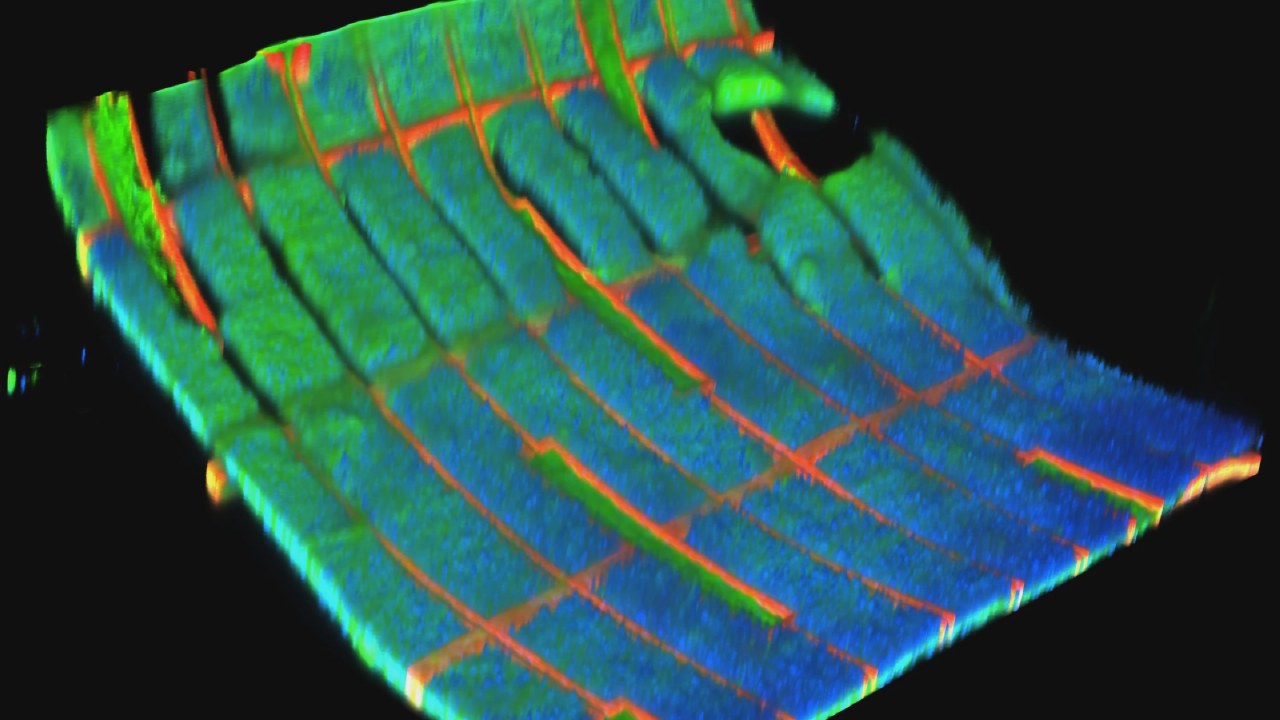
Researchers at the University of Massachusetts Amherst have developed a biohybrid mesh harvester that converts mechanical energy from human heart cell contractions into electricity. The device consists of micro-scale lead zirconate titanate (PZT) strips embedded within a thin, flexible polymer mesh.
The mesh structure allows heart cells to grow through and around the electronic components, creating a tight mechanical coupling. This distributed architecture enables the system to collect energy across a wider area compared to traditional, centralized piezoelectric devices.
According to the study published in Science Advances on October 7, 2026, the system achieves an effective energy density more than ten times higher than existing centralized harvesting solutions. The design is scalable, allowing for multiple layers to be stacked to increase total power output.
The technology is intended for low-power medical implants such as pacemakers and nerve stimulators, potentially reducing the need for battery replacement surgeries. However, the project remains in the laboratory research phase and has not yet been tested in living organisms or humans.
Key challenges remain regarding long-term stability, material fatigue, and biocompatibility. Specifically, researchers must ensure the safe encapsulation of lead-containing PZT materials to prevent leakage and address potential immune responses in a physiological environment.