Researchers at Nanyang Technological University in Singapore have developed an artificial leaf device that produces hydrogen from seawater while simultaneously purifying pollutants. The system uses solar energy to drive chemical reactions without requiring external power sources.
The device features an anode with a catalyst made of iron, cobalt, and chromium. This component decomposes hydrazine, a toxic industrial pollutant, into hydrogen and nitrogen. This process requires less energy than traditional water electrolysis and increases overall hydrogen yield.
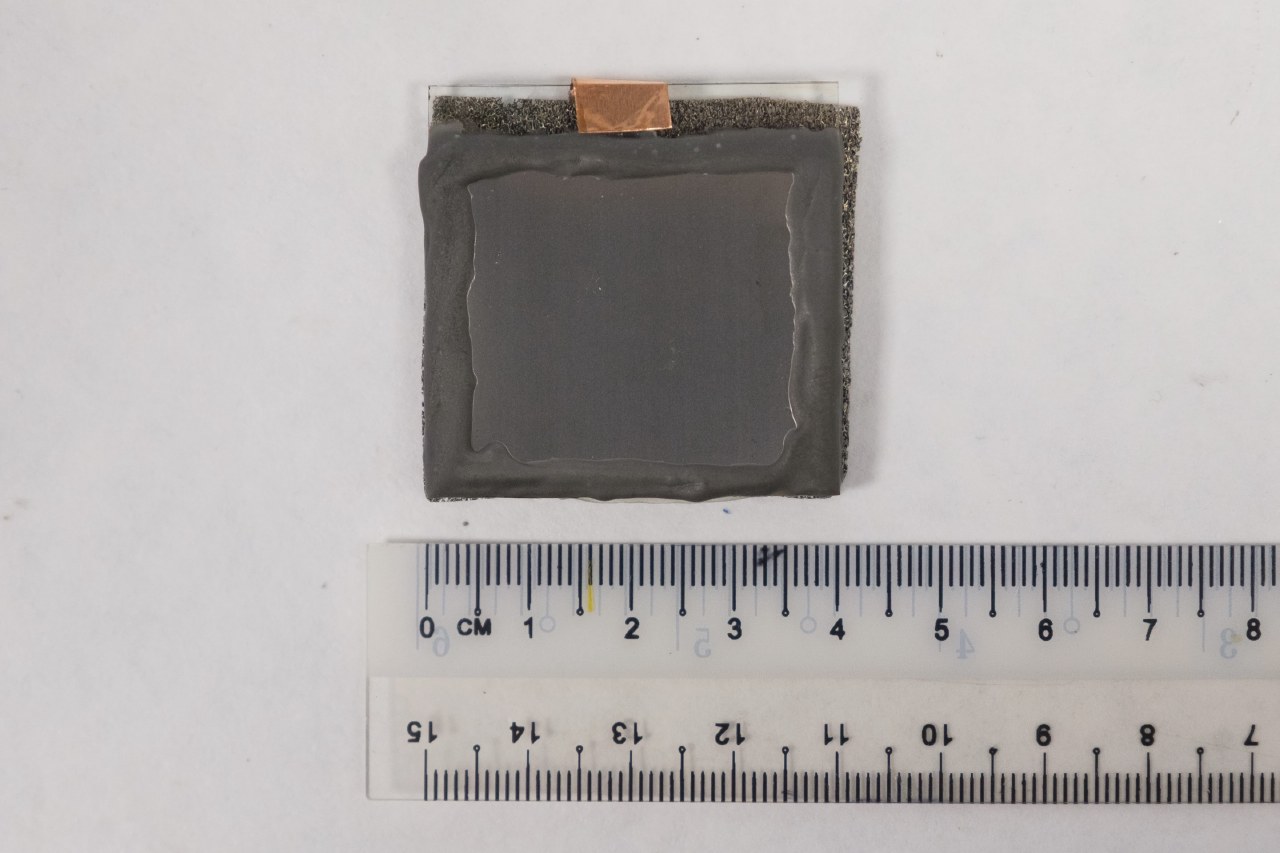
To prevent corrosion in seawater, the cathode uses lead-halide perovskite protected by conductive epoxy resin containing silver and copper particles, along with titanium foil. The device achieved a photocurrent density of 25 milliamperes per square centimeter.
In stability tests under natural sunlight, the system operated for over 72 hours. It successfully reduced hydrazine concentrations from 0.5 moles per liter to 0.5 parts per billion, which is well below the 10 parts per billion safety limit set by the US Environmental Protection Agency.