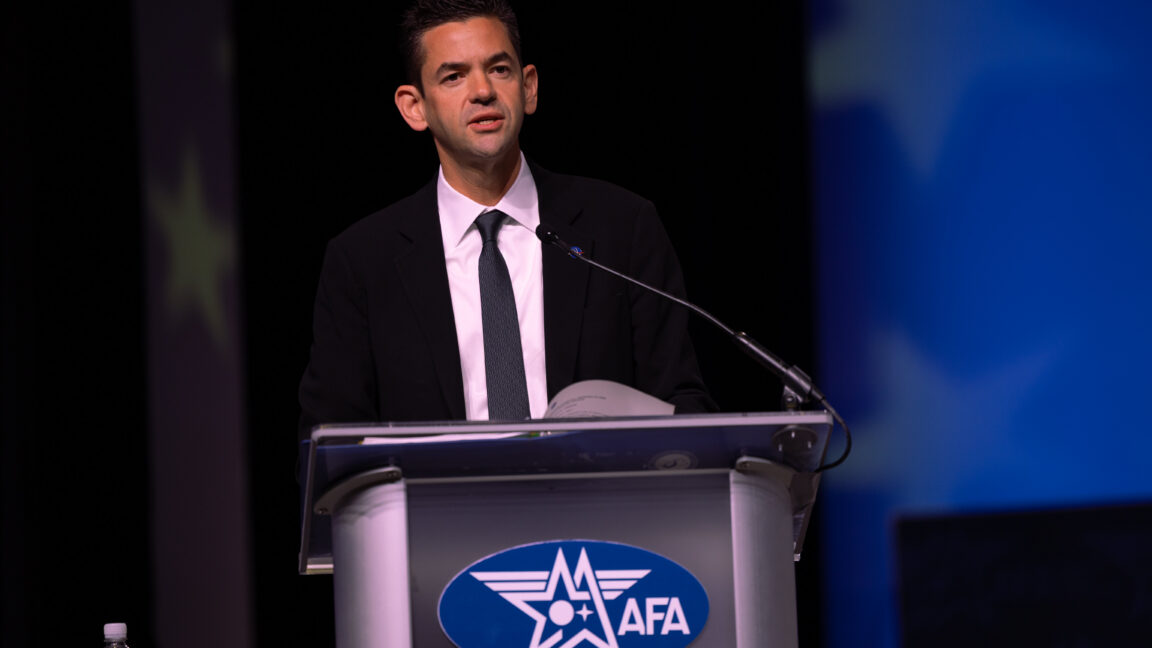
NASA Administrator Jared Isaacman stated that the agency is shifting its strategy for international partnerships, prioritizing only those that provide significant mission contributions. This policy marks a departure from previous efforts to include partners primarily for diplomatic visibility, which Isaacman described as a potential burden on mission progress.
The agency is focusing on securing access to the lunar south pole, where water ice and sunlight availability are critical for future Mars training. Isaacman emphasized the urgency of this goal, citing competition from China and Russia, which are planning to establish a nuclear reactor in the same region, potentially limiting available landing sites.
Recent successful agreements include a deal with Italy, which committed over $5 billion to develop a habitation module in exchange for two astronaut spots on the Moon. Similarly, Japan signed an agreement in 2024 to provide a pressurized rover, also securing two lunar mission seats for its astronauts.
NASA has cancelled the Gateway station project as of March to prioritize a permanent surface presence. Consequently, the roles of the European Space Agency and Canada, previously tied to Gateway hardware, remain under negotiation. Isaacman noted that some proposed contributions, such as the Argonaut lander, are redundant compared to existing US commercial capabilities.