

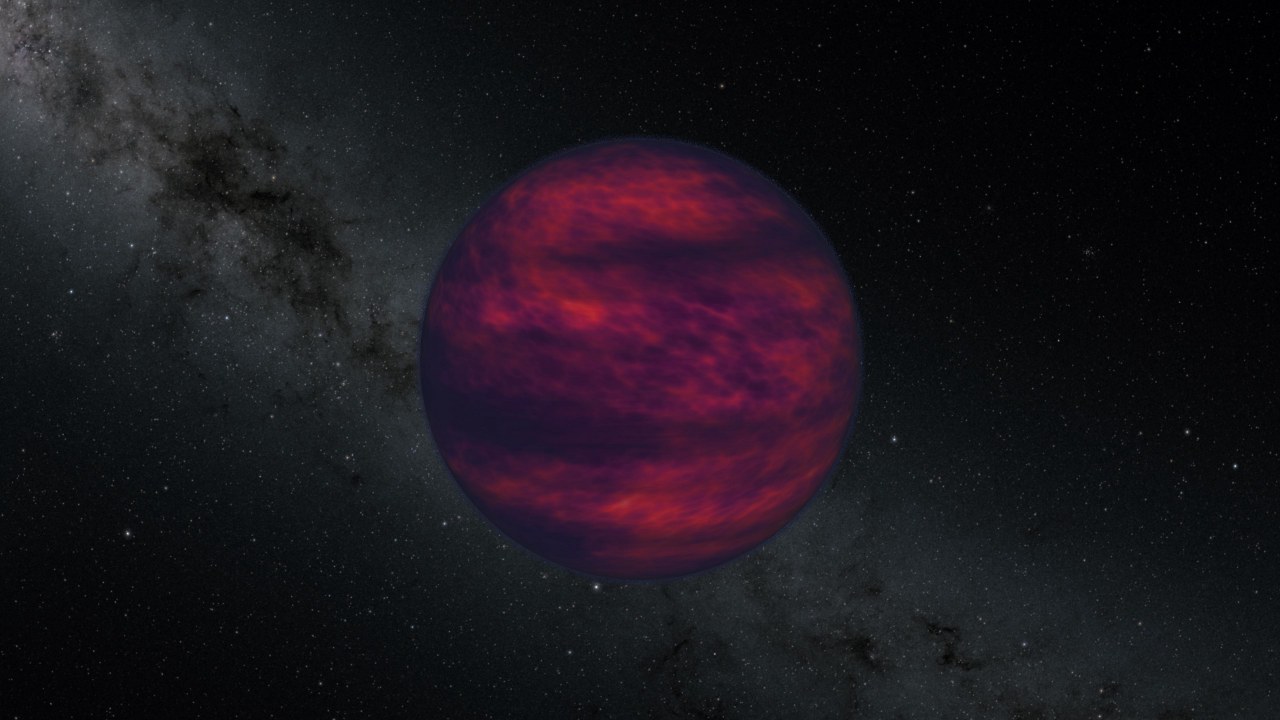
NASA’s SPHEREx space telescope, launched in March 2025, has identified thousands of brown dwarfs while mapping the sky. The telescope, managed by the Jet Propulsion Laboratory, captures 3,600 images daily to create comprehensive cosmic maps.
Researchers analyzed data from 37 brown dwarfs across a temperature range of 2,200 to minus 20 degrees Celsius. The telescope measures brightness in 102 distinct colors, revealing atmospheres containing water, carbon dioxide, carbon monoxide, and methane.
SPHEREx operates in infrared and deep red wavelengths, which are typically obscured by Earth’s atmosphere for ground-based telescopes. The mission is supported by a team of scientists from 13 institutions across the United States, South Korea, and Taiwan.
The spacecraft and its bus were constructed by BAE Systems. While the primary mission involves mapping galaxy distribution to study the early universe, the telescope also identifies interstellar ice and chemical signatures of life.



