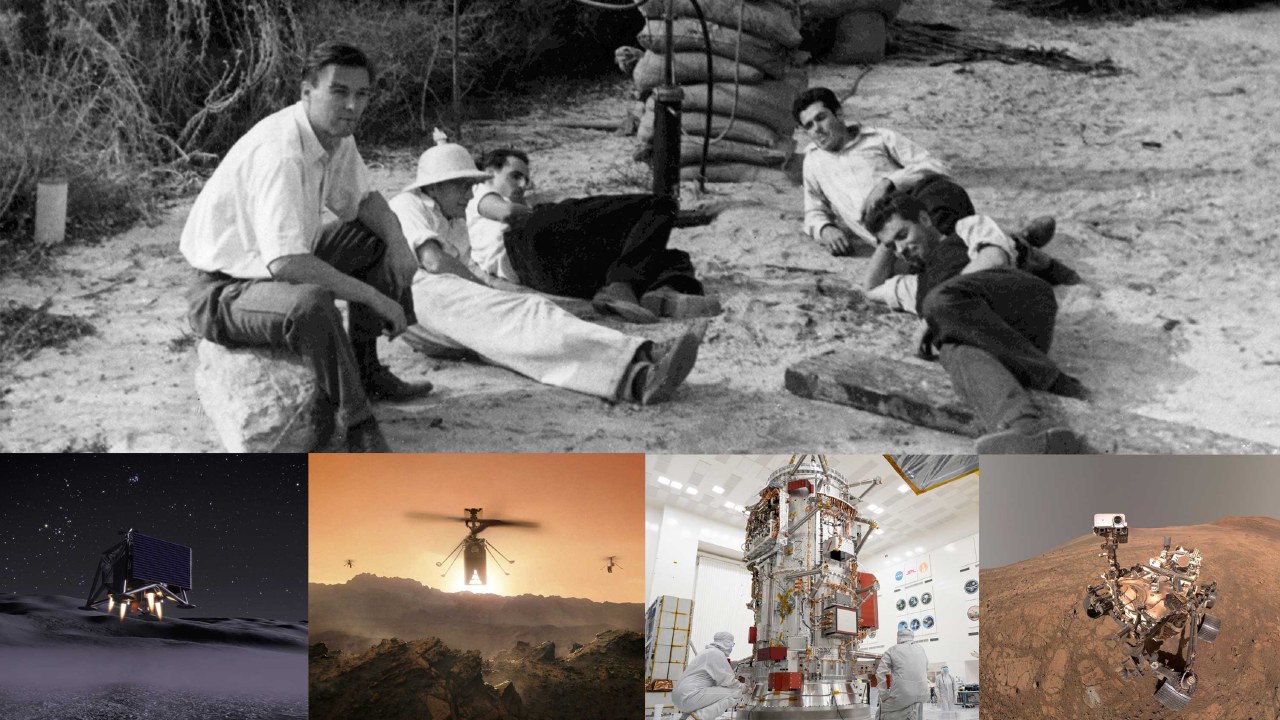
The Jet Propulsion Laboratory (JPL) is marking its 90th anniversary since its founding in 1936 by Caltech students. Originally a U.S. Army contractor, the lab launched the Explorer 1 satellite in 1958 and joined NASA the same year. Throughout its history, JPL has led missions including the first U.S. lunar mission, Ranger 7, in 1964, and the first planetary flybys and Mars rovers.
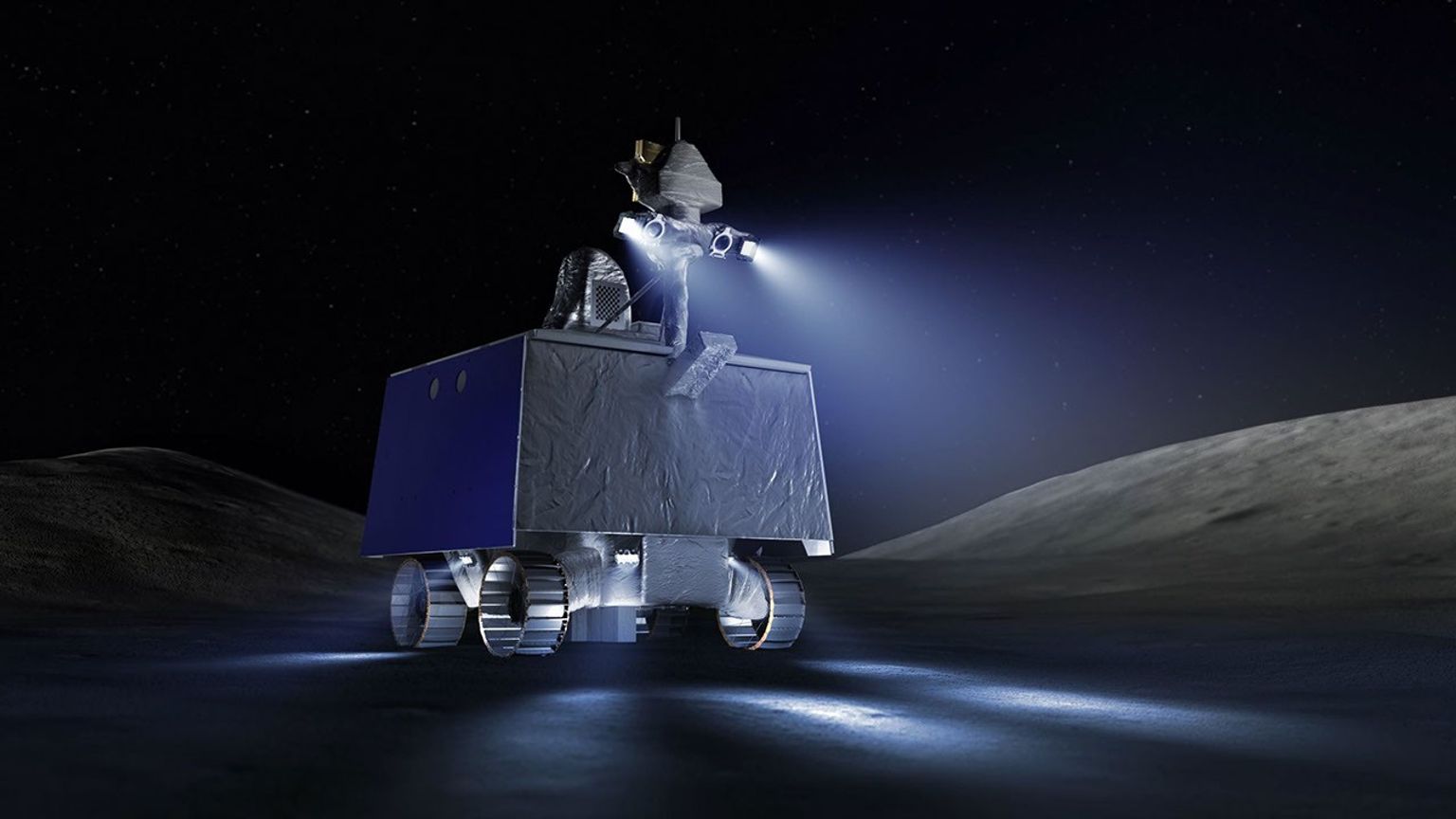
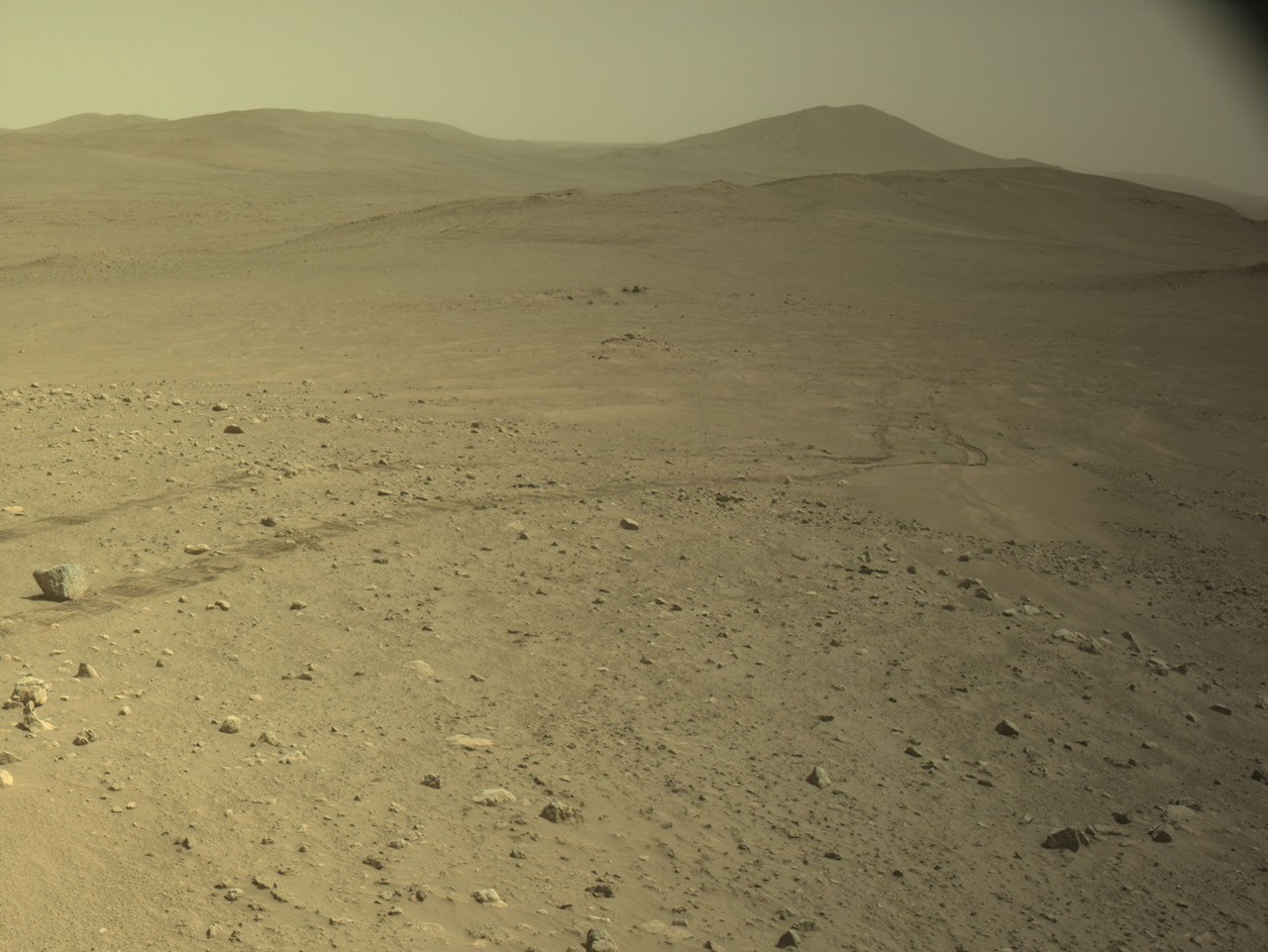
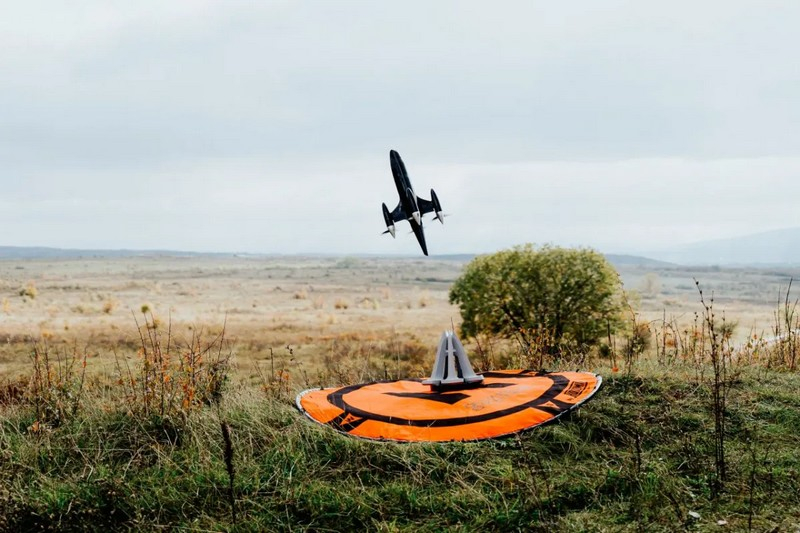
JPL is currently preparing several upcoming missions. The SkyFall mission, scheduled for 2028, will deploy three helicopters on Mars to map ice and analyze weather. Also in 2028, the MoonFall mission will land propulsive drones at the lunar South Pole. Additionally, the SunRISE mission, set for 2027, will use six satellites to study solar activity, while the NEO Surveyor mission will track hazardous asteroids.
The lab continues to develop Earth-observation technology, building on its 1978 launch of the first oceanographic satellite. Current projects include monitoring water movement, tropical storms, and air pollution. Furthermore, JPL’s Microdevices Laboratory, which previously developed the camera-on-a-chip technology used in mobile phones, is creating detectors for the new PRIMA astrophysics mission.
On November 18, the Voyager 1 spacecraft will reach a distance of 16 billion miles, or 26 billion kilometers, from Earth. The Voyager missions, which rely on the Deep Space Network developed by JPL during the Apollo era, will turn 50 next year. Dave Gallagher has served as the director of JPL since 2025, overseeing the lab's ongoing transition toward future exploration goals.