

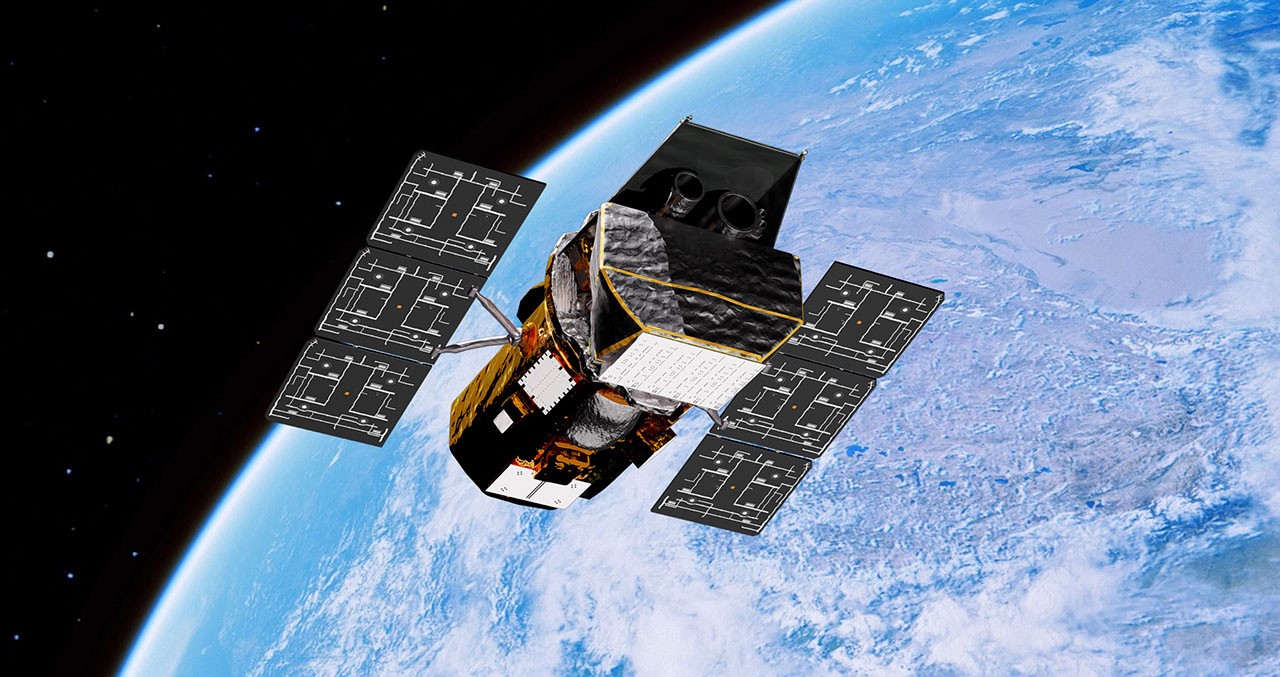
NASA and Katalyst Space concluded a commercial mission aimed at boosting the orbit of the Neil Gehrels Swift Observatory. Although the spacecraft failed to raise its altitude, the project provided data on in-space servicing and agile project management. The mission was initiated due to atmospheric drag threatening the observatory, which was launched in 2004 to study gamma-ray bursts.
In September 2025, NASA contracted the Arizona-based company Katalyst to design and launch a satellite capable of grappling Swift. The LINK spacecraft launched in July from Kwajalein Atoll via a Northrop Grumman Pegasus XL rocket. Following launch, the satellite experienced communication and orientation control issues, leading the teams to pivot toward technology demonstrations.
The revised mission objectives included testing a xenon-powered propulsion system and three robotic arms. NASA officially ended its involvement on September 3, and the LINK spacecraft re-entered the atmosphere on September 25. The project was driven by a critical deadline, as Swift was predicted to reach an unsustainable altitude of 300 kilometers by fall 2026.
To support the mission, flight controllers at Penn State adjusted Swift's observation targets to minimize atmospheric drag. Starting in December 2025, the team replaced approximately 25% of science targets with orientations that reduced drag, transitioning to this strategy entirely by February. These methods successfully maintained the observatory's altitude above the critical threshold for several months.



