

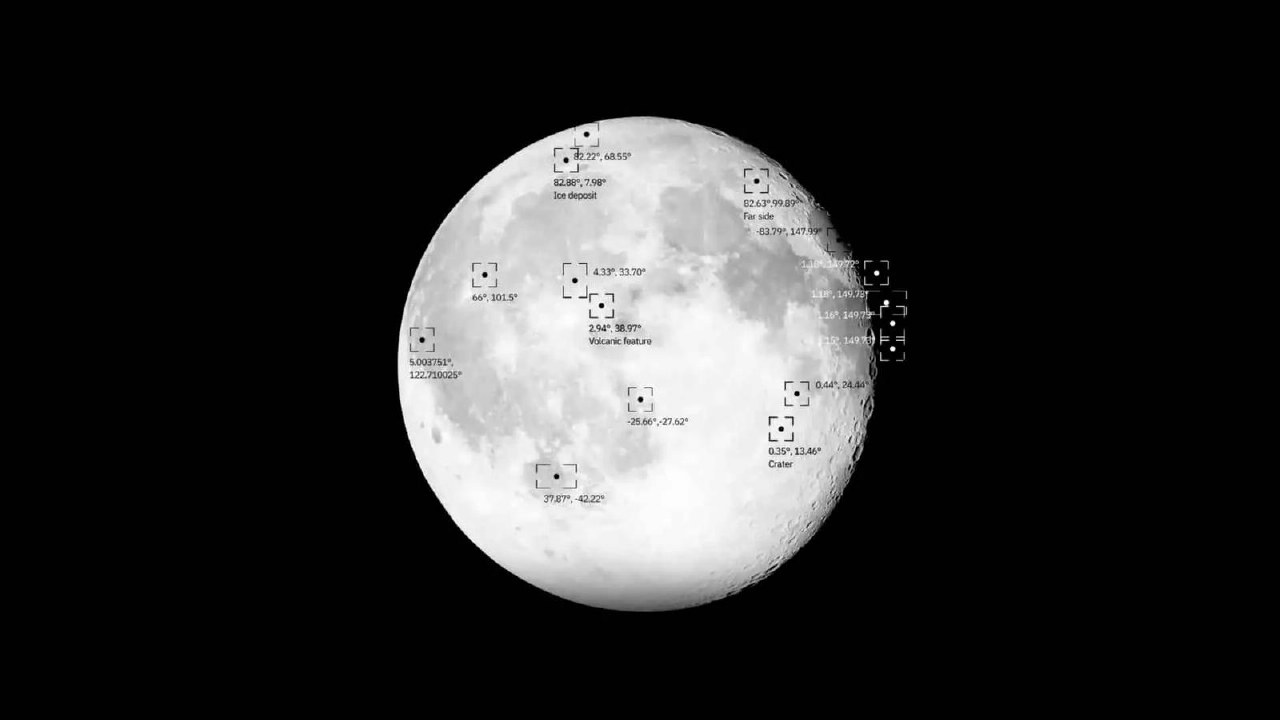
NASA and IBM have introduced the Lunar Foundation Model, an AI-driven project that integrates data from US and Japanese missions. The model combines gravity measurements, topography, temperature readings, and optical imagery into a unified format. It identifies water ice with over 20% greater accuracy than existing specialized machine learning models.
The system was trained on diverse datasets, ranging from the GRAIL mission's gravity maps with 20-kilometer resolution to Lunar Reconnaissance Orbiter images with 1-meter resolution. Beyond detecting ice, the model helps researchers date lunar regions by identifying previously unrecorded craters and clarifying data on volcanic activity.
The project addresses the challenges of the lunar environment, where extreme temperature fluctuations and harsh lighting conditions complicate satellite data interpretation. By refining thermal maps and crater identification, the model assists in planning safe routes for astronauts and selecting optimal locations for future lunar bases.
NASA estimates that polar craters may hold hundreds of millions of tons of ice, which could be converted into drinking water, oxygen, and rocket fuel. Additionally, the model supports research into lunar helium-3 for fusion energy and helps utilize the moon's far side for radio astronomy, providing a quiet environment for observing the early universe.



