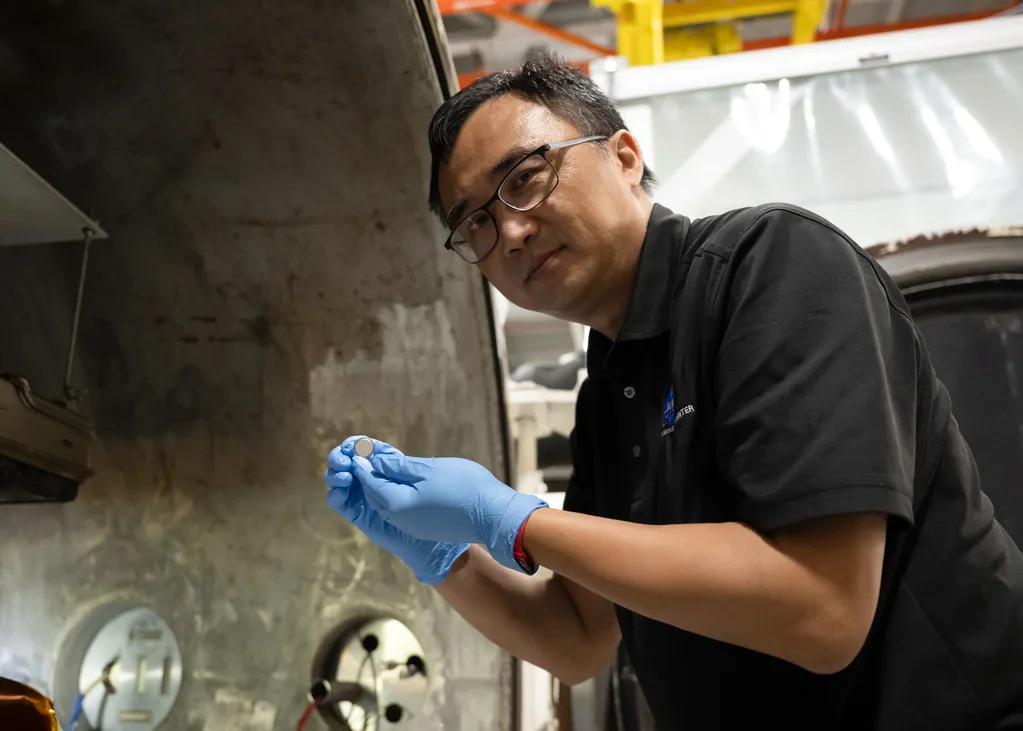
NASA researchers have introduced the SPEARS project, which stands for Solid Power for Extreme Environment Adaptability and Resilience in Space. The initiative focuses on developing solid-state batteries designed to function in the harsh conditions of the lunar environment, where temperatures can drop to minus 200 degrees Celsius.
The new technology replaces traditional liquid electrolytes with solid ceramic or polymer materials. This design prevents the freezing and boiling issues associated with liquid-based lithium-ion batteries in space. According to Yi Lin, lead of the testing team at NASA Langley Research Center, the cells have successfully demonstrated operation at minus 80 degrees Celsius.
Recent thermal vacuum testing confirmed that prototypes remain stable between plus 80 degrees Celsius and minus 60 degrees Celsius, with reduced performance down to minus 80 degrees Celsius. The cells also survived temperature cycles ranging from plus 100 degrees Celsius to minus 170 degrees Celsius without sustaining damage.
The solid-state electrolyte eliminates the need for constant thermal management systems, as the batteries only require a low-power heater before use. Researchers are currently optimizing electrode materials to balance energy, power, and durability. NASA Ames Research Center is now developing flight hardware to prepare the technology for space missions.