

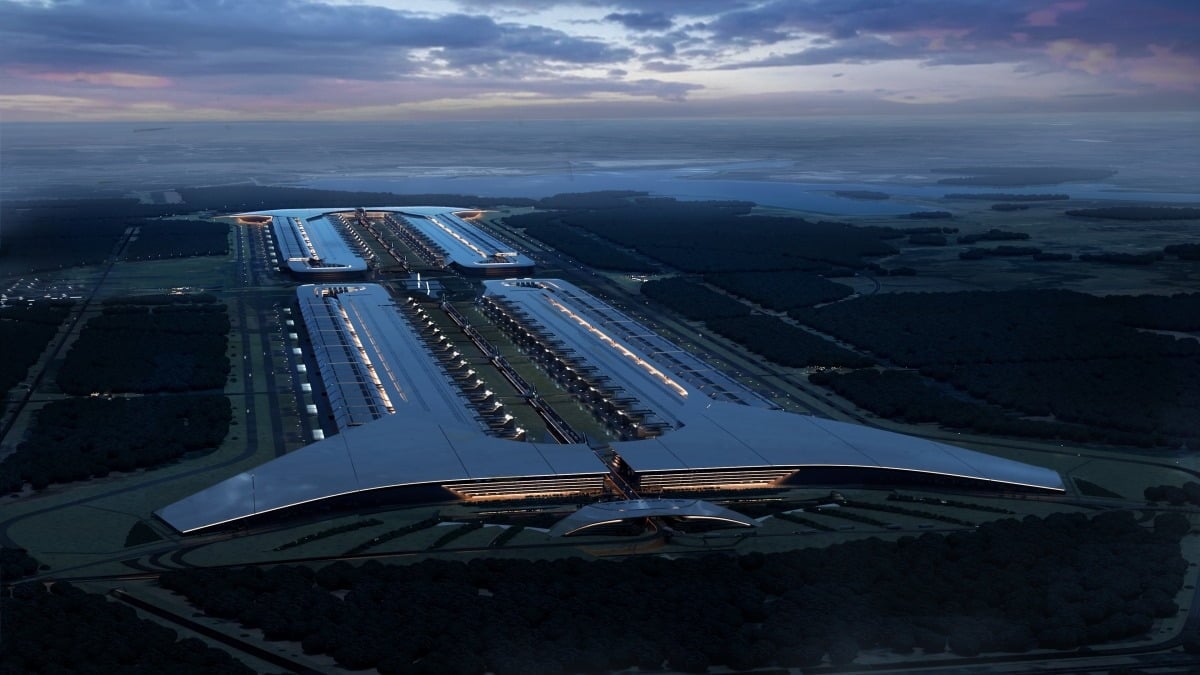
Elon Musk is pursuing the Terafab project to manufacture chips internally, aiming for a total computing power of 1TW. Intel is a key partner in this initiative, with plans to utilize its next-generation 14A process technology for production.
Industry experts, including analysts and executives from Samsung Electronics, suggest that the project faces significant hurdles. While capital can facilitate the construction of fabrication facilities, achieving high production yields remains a complex challenge that requires decades of technical expertise.
The primary goal of Terafab is to establish a comprehensive chip supply chain to support Tesla and SpaceX operations in aerospace, autonomous driving, and robotics. Analysts note that leveraging Intel's manufacturing experience is intended to accelerate the development of this production system.
Critics emphasize that semiconductor manufacturing relies on long-term technical accumulation. Samsung representatives noted that optimizing production processes to maintain stable yields can take at least 30 years, as even minor deviations in manufacturing steps can lead to defects.



