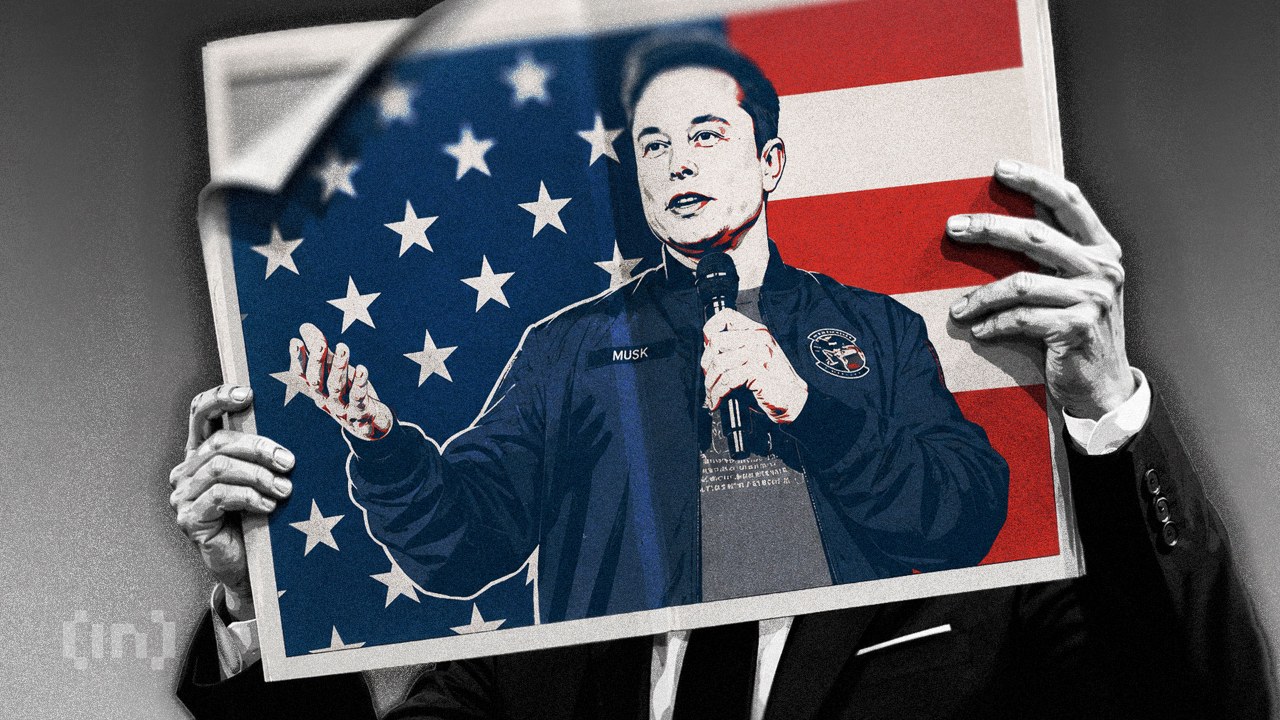
Elon Musk has publicly questioned the influence of Reliance Industries chairman Mukesh Ambani as SpaceX faces delays in launching its Starlink satellite internet service in India. The dispute intensified after Musk accused unnamed oligarchs of obstructing the service to maintain a monopolistic hold on the market, a claim the Indian Ministry of Communications rejected, stating that its regulatory framework is fair and non-discriminatory.
The Ministry of Communications noted that Starlink and two other licensed operators are currently undergoing identical security assessments required before spectrum allocation. Despite these regulatory hurdles, Starlink vice president Lauren Dreyer reaffirmed the company's commitment to the Indian market at the India Mobile Congress in New Delhi, emphasizing that the company is ready to support universal connectivity goals.
Starlink reports that it has already established over 20 gateway sites and hundreds of antennas across India, having adjusted its operations to comply with local data sovereignty and security requirements. SpaceX maintains that its satellite network is intended to complement, rather than replace, existing terrestrial telecom infrastructure in the country.
The company's history in India includes a 2021 launch attempt that resulted in refunded preorders in 2022 due to licensing issues. While Starlink successfully advocated for the administrative allocation of satellite spectrum over the auction model favored by Reliance Jio, the timeline for its official launch remains uncertain, even as the company recently deployed its mobile satellite service in Bangladesh.