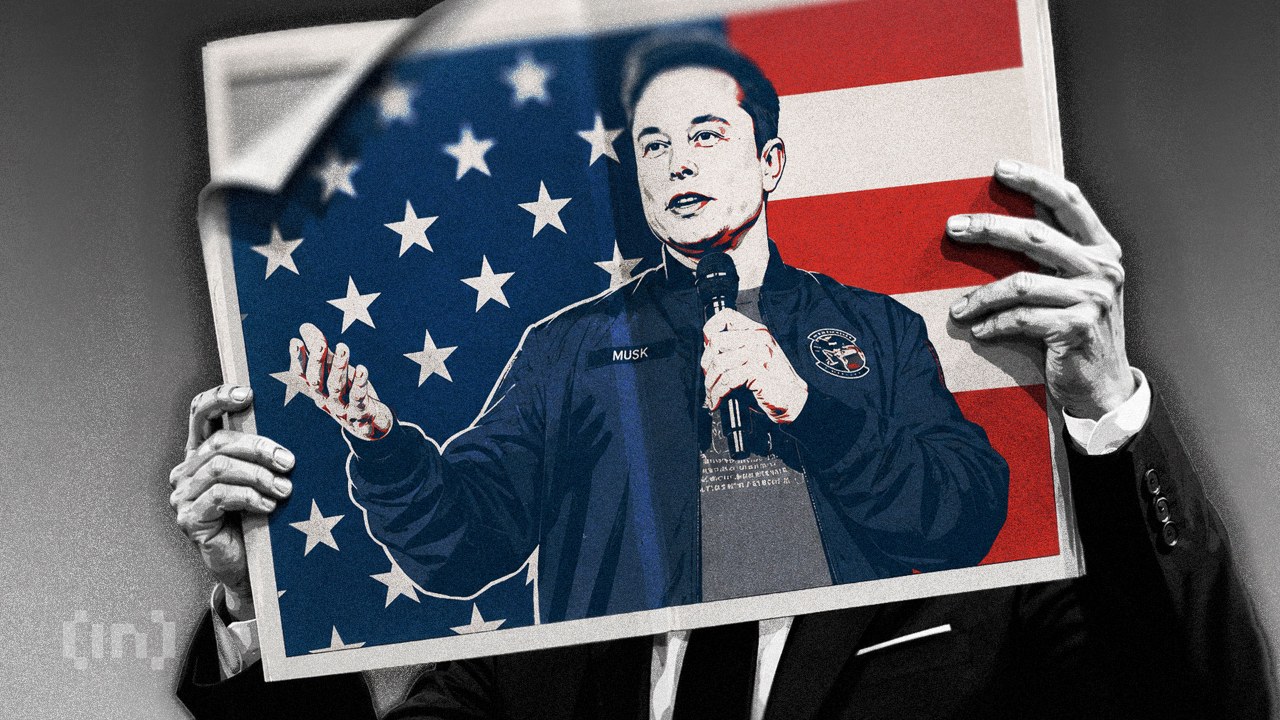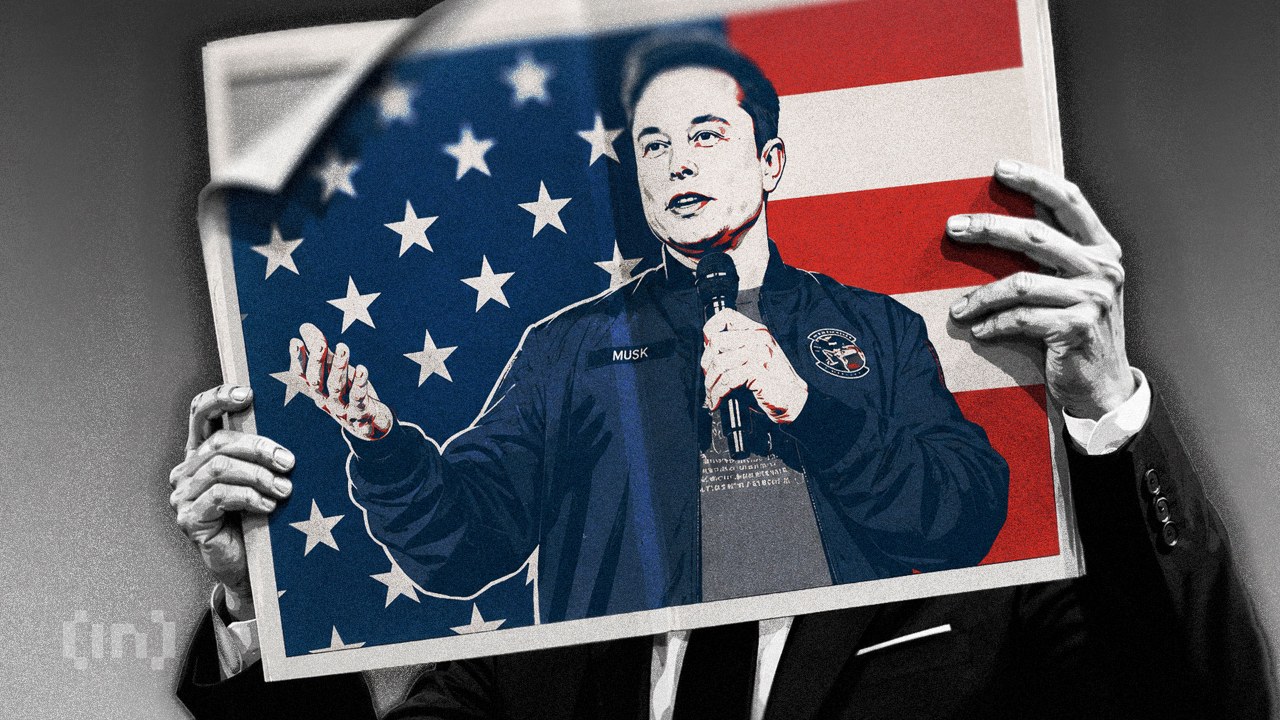
Elon Musk recently supported a social media post predicting that major US laboratories will achieve artificial general intelligence (AGI) by 2027. His endorsement of the forecast, which claims that models like Claude Opus 5.5 are nearing AGI, garnered 1.8 million views in approximately 3 hours. The prediction suggests that companies such as Google, OpenAI, and SpaceXAI will reach this milestone by leveraging compute capacities of 10–20 GW.
Market participants remain skeptical of these timelines. On the Kalshi platform, traders estimate a 44.3% probability that OpenAI will announce AGI before 2028. Confidence in a 2027 achievement is even lower, with Polymarket traders pricing the chance at 18% and Kalshi at 14.8%. Industry experts, including Zapier co-founder Mike Knoop, note that current evidence for AGI remains insufficient despite recent model updates.
The rapid development pace has prompted warnings from both industry leaders and international bodies. OpenAI chief scientist Jakub Pachocki highlighted that alignment and monitoring issues remain unsolved. Meanwhile, Jerome Glenn of the UN Council of Presidents warned that inadequate regulation could lead to the proliferation of autonomous weapons. Additionally, Turing Award winner Yann LeCun argued that current autoregressive models are insufficient for reaching human-level AI.