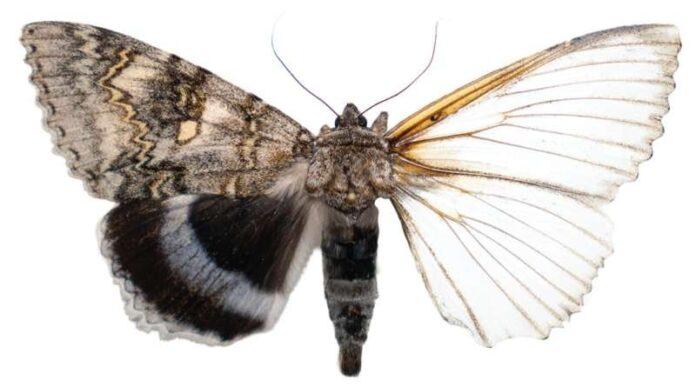
Researchers from the University of Tartu and the Italian Institute of Technology have developed a moth-shaped robot capable of synthesizing functional components internally. The system mimics insect circulatory systems using 3D-printed channels and a pump that circulates approximately 3 ml of chemical precursors.
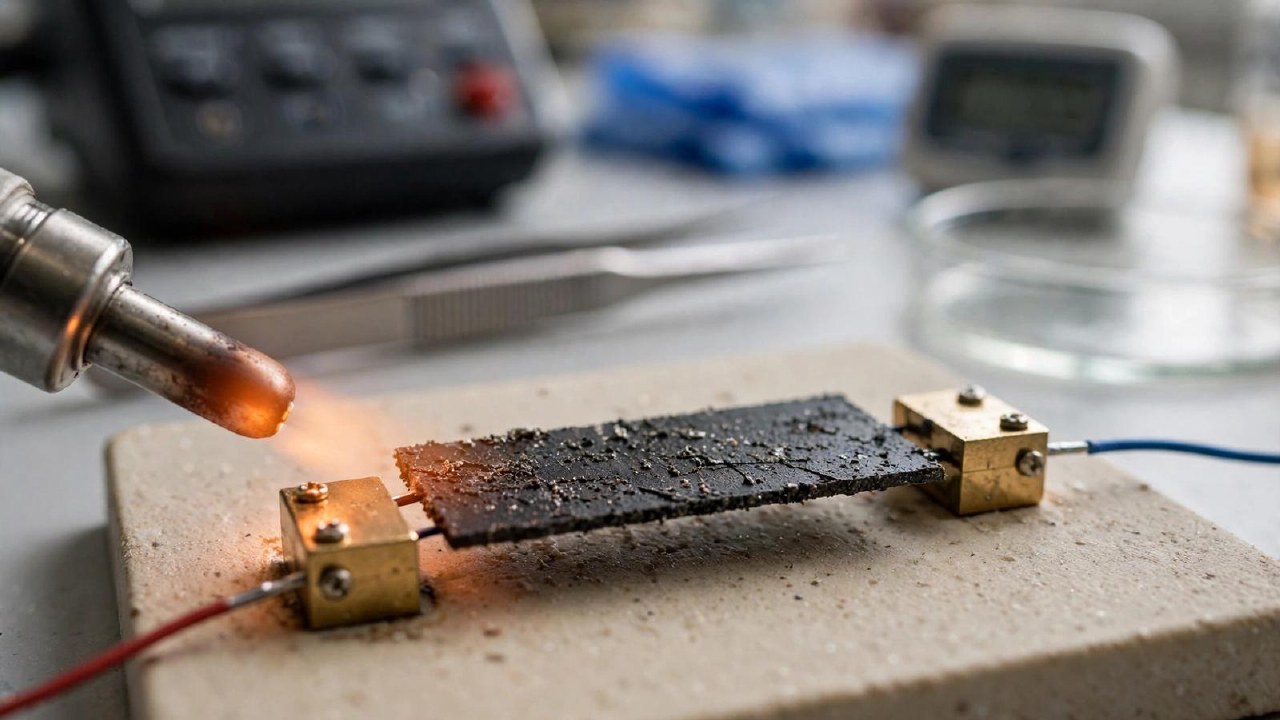
The team synthesized a polypyrrole-based ultraviolet sensor directly within the robot's PETG plastic matrix. By applying ultraviolet light through a physical mask with 0.3 mm precision, the researchers initiated photopolymerization, creating a material that changes electrical resistance upon UV exposure.
The robot's microcontroller detects these resistance changes to trigger wing movements or LED signals. The material exhibits a form of physical memory, where structural changes from initial synthesis affect subsequent sensitivity. The sensors remained functional after four months of storage.
Despite the achievement, the process is not yet autonomous. Researchers manually initiated the chemical circulation, used physical masks to define sensor placement, and pre-programmed the controller. The current system is limited to a single, predefined chemical pathway and cannot be reconfigured or removed.