

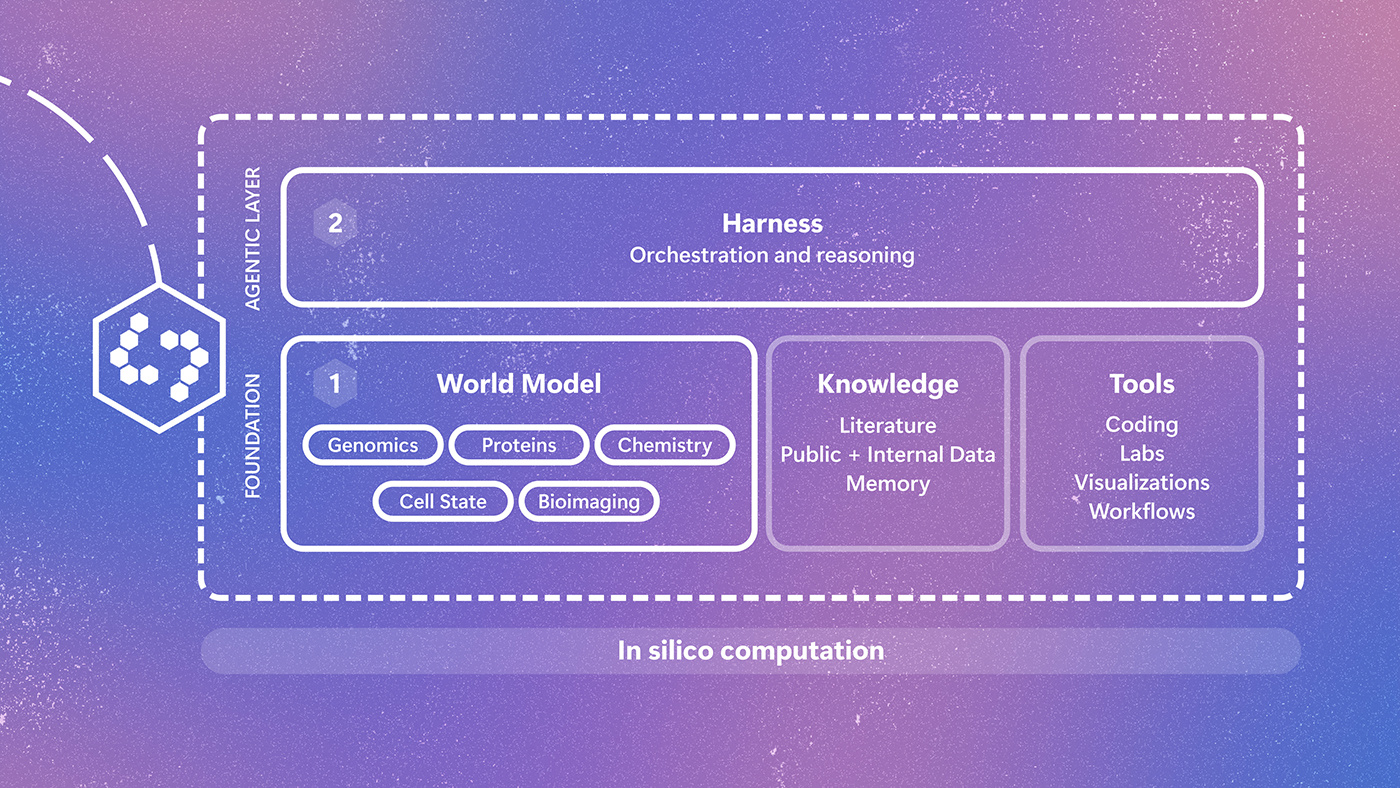
Microsoft Research has unveiled Project Quine, an experimental multimodal AI system designed to bridge the gap between computational biological modeling and physical wet-lab experiments. The project was developed in collaboration with Harvard University and the Broad Institute of MIT and Harvard.
The system creates a unified representation model covering genomics, proteins, chemistry, cellular states, and bio-imaging. It integrates an interactive reasoning framework that allows researchers to process information across multiple domains simultaneously for comprehensive analysis.
In a recent test, the system analyzed pancreatic ductal adenocarcinoma cell lines. Within a single weekend, it identified compounds capable of driving cell state transitions and uncovered unexpected phenotypic responses, which could potentially save years of research and millions of dollars.
Microsoft has launched the Quine Fellows program to grant researchers early access to the technology. While the system is intended to accelerate drug discovery by prioritizing candidates for lab verification, it is currently restricted to research use and is not authorized for clinical applications.
The company plans to expand the availability of the system through commercial products like Microsoft Discovery in the future. Microsoft emphasizes that all results generated by the AI require rigorous human evaluation to ensure accuracy, as the system is still prone to errors.



