

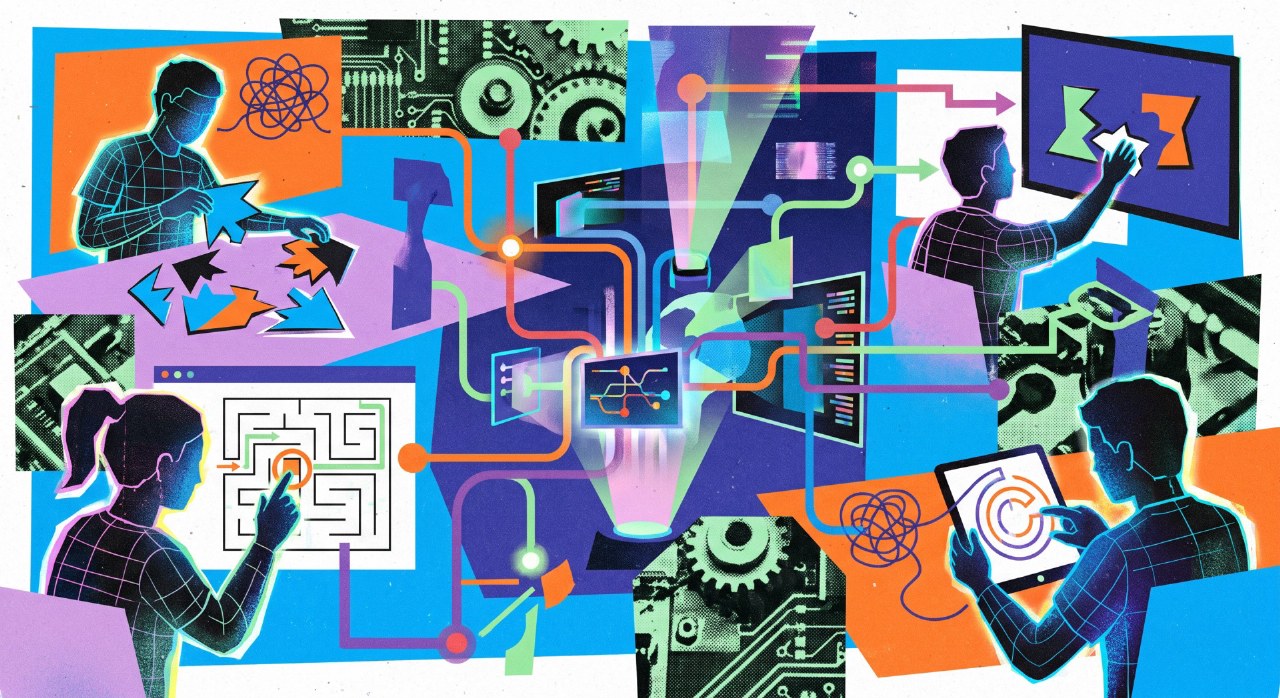
Microsoft and the University of Illinois developed StudentSim, a system that creates digital replicas of students to train AI tutors. The tool generates individual models even with limited data, allowing tutors to learn from simulated mistakes and feedback without the high costs of real-world testing.
The system operates in two stages. First, a base model, utilizing the Qwen3-4B-Instruct language model, learns common patterns and error types from pooled data. Second, the model is fine-tuned to match the specific behavior and learning history of an individual student.
In tests across chess, English, and math using 60 real-world student records, StudentSim outperformed the GPT-5.4 model. In chess, it predicted player moves twice as accurately as competitors and successfully adapted to corrective guidance, which specialized chess models often ignore.
Professional chess players evaluated tutors trained with different methods. The tutor trained via StudentSim achieved the highest scores for explanation quality and individual adaptation. It also demonstrated fewer factual errors compared to versions trained with GPT-5.4 or no simulation.
The researchers noted that while the current system is a proof of concept, it addresses the lack of individual learner models in existing tools like OpenAI's Study Mode or Google's Guided Learning. The project code is currently available on GitHub for further development.



