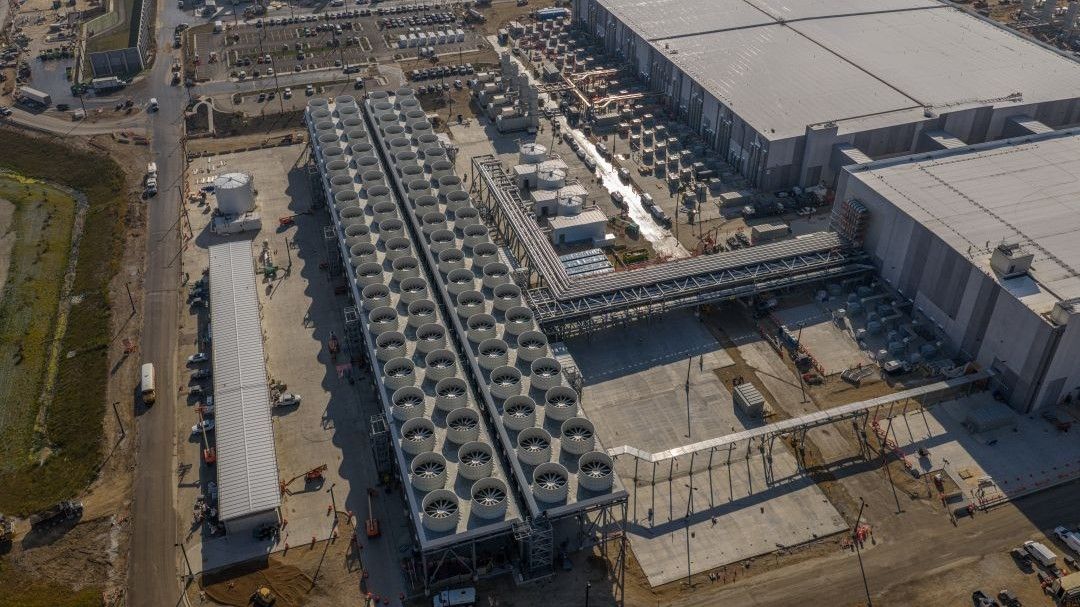
Microsoft is implementing a new strategy to integrate data centers into local landscapes across the United States and Germany. The company uses an Azure-based tool called Ecosystem Intelligence to assess site features such as biodiversity, water quality, and noise levels. These projects now form a standard part of all new Microsoft data center developments.
Specific sites include locations in Mecklenburg County, Virginia; Mount Pleasant, Wisconsin; East Point, Georgia; and Bedburg, Germany. In Mount Pleasant, the company developed 100 acres of prairie and forest. In San Antonio, Microsoft is investing in the restoration of over 400 acres of woodland and pollinator prairie to offset the removal of 2,642 trees from a 33-acre tract.
The initiative faces scrutiny regarding energy and environmental impacts. A proposed gas plant project aims to provide approximately 2.67 gigawatts of power by 2028. Meanwhile, Texas Governor Greg Abbott has paused new data center grid connections pending a regulatory audit. Microsoft reported a 25% increase in total emissions for fiscal 2025.
Local authorities are evaluating zoning regulations for data centers, with a vote in San Antonio scheduled for October 15. While Microsoft aims to be carbon negative and water positive by 2030, critics argue that these landscaping efforts do not address the broader environmental consequences of infrastructure expansion and the associated energy demands.