Microsoft has released the Windows App SDK 2.5 Experimental, marking a significant update to the WinUI framework. The update, launched on September 29, introduces native TableView and Chart controls, addressing long-standing requests from developers who previously relied on third-party libraries.
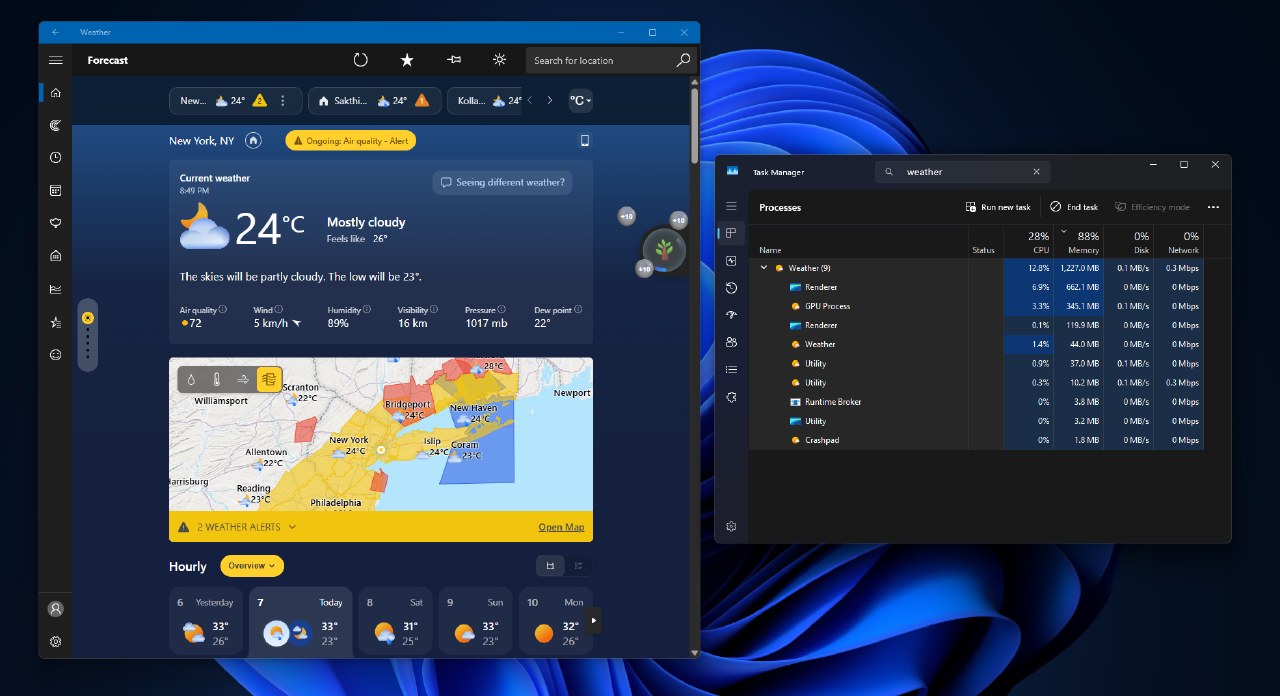
The update also targets performance issues, specifically focusing on memory management. Microsoft has implemented fixes to address the persistent memory growth observed in WinUI-based applications, a problem that previously affected various Windows 11 native components.
This development follows commitments made by the Windows UI team during the Build 2026 conference. Microsoft aims to improve the framework to support the migration of core system components, such as the Start menu, to WinUI, ensuring better responsiveness and resource efficiency.
By enhancing WinUI's capabilities and performance, Microsoft seeks to revitalize the native Windows application ecosystem. This move comes after a period where many applications, including flagship products like Outlook and Teams, shifted toward web-based technologies.